A Dose Of Insanity: where madness meets brilliance

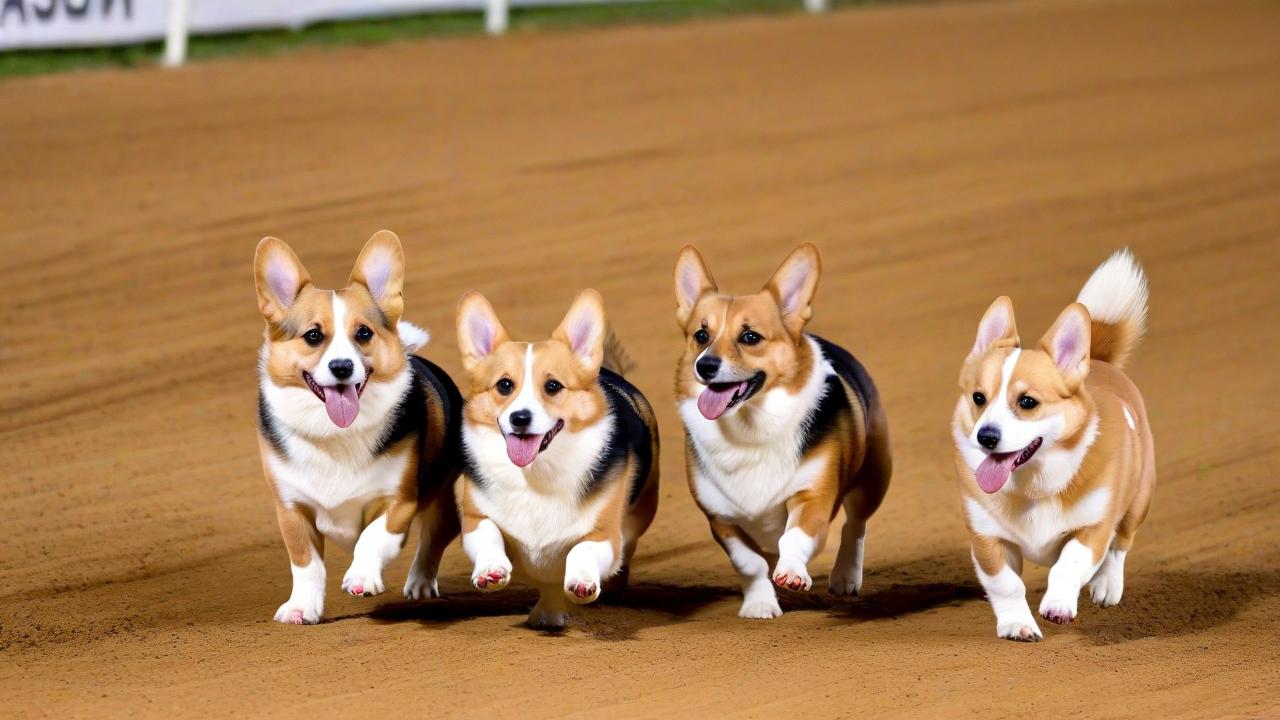
  1. The Sociological Implications of Synchronized Toenail Trimming in High-Performance Corgi Racing Teams

    January 23rd 2026

    In the world of high-performance corgi racing, a revolutionary technique has emerged: synchronized toenail trimming (STT). Top teams spend hours perfecting their pedicures to gain an aerodynamic advantage, with the results being nothing short of astonishing. But what drives this obsession? Agnes Pocket, a brilliant breeder, claims it all started with a bet. As STT spreads, a new class system emerges among corgi owners, with top teams sitting at the top and struggling owners left behind. The phenomenon raises questions about teamwork, mental health, and dedication – and what's next for this strange sport?
  2. The Sociological Implications of Mandatory Sock Rotation on Small Island Populations During Leap Years

    January 22nd 2026

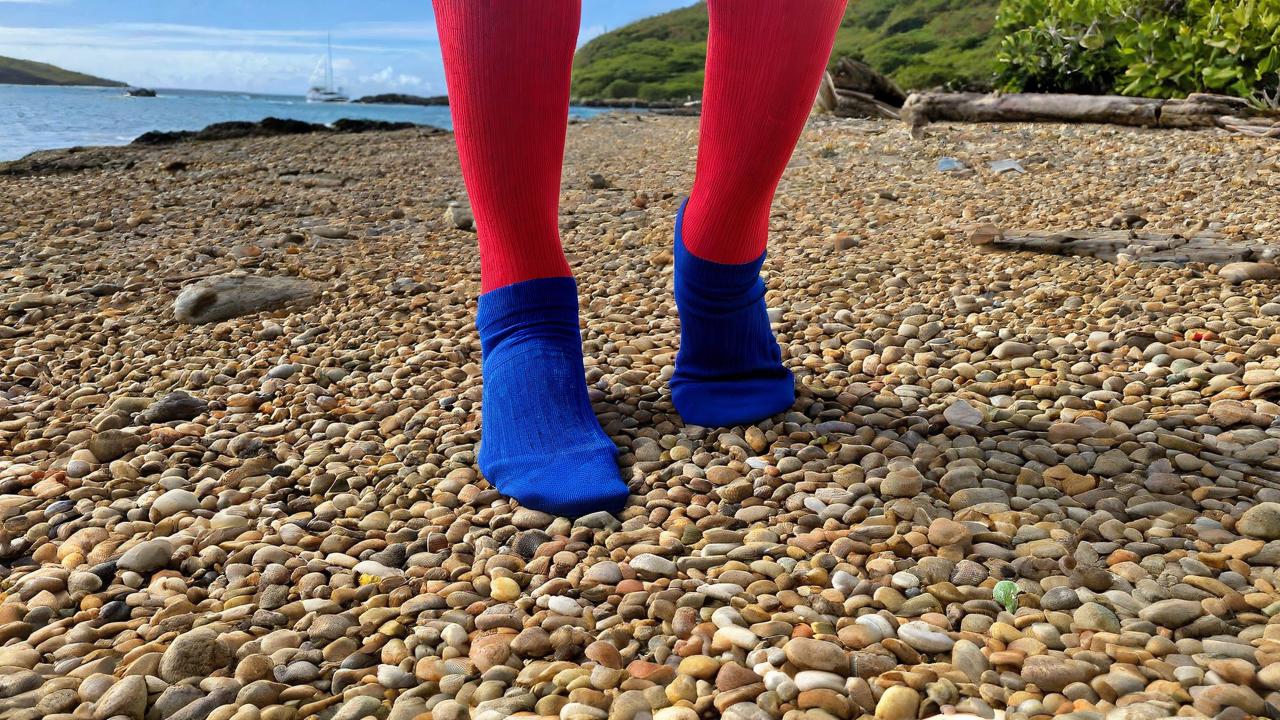
    Welcome to our latest installment, where we delve into the fascinating world of mandatory sock rotation on small island populations during leap years. In this peculiar phenomenon, individuals are forced to conform to a strict schedule, leading to unexpected social dynamics and economic benefits. We explore how this policy promotes community cohesion, reduces stress levels, and even boosts local businesses. But what about those who resist change? Meet Socky, the leader of the Sock rebels, who challenge our assumptions about individuality and conformity. Join us as we unravel the complexities of this intriguing practice and discover its profound sociological implications.

  3. The Relationship Between Interdimensional Beekeeping and Theoretical Quantum Mechanics in Modern-Day Suburban Landscaping

    January 21st 2026

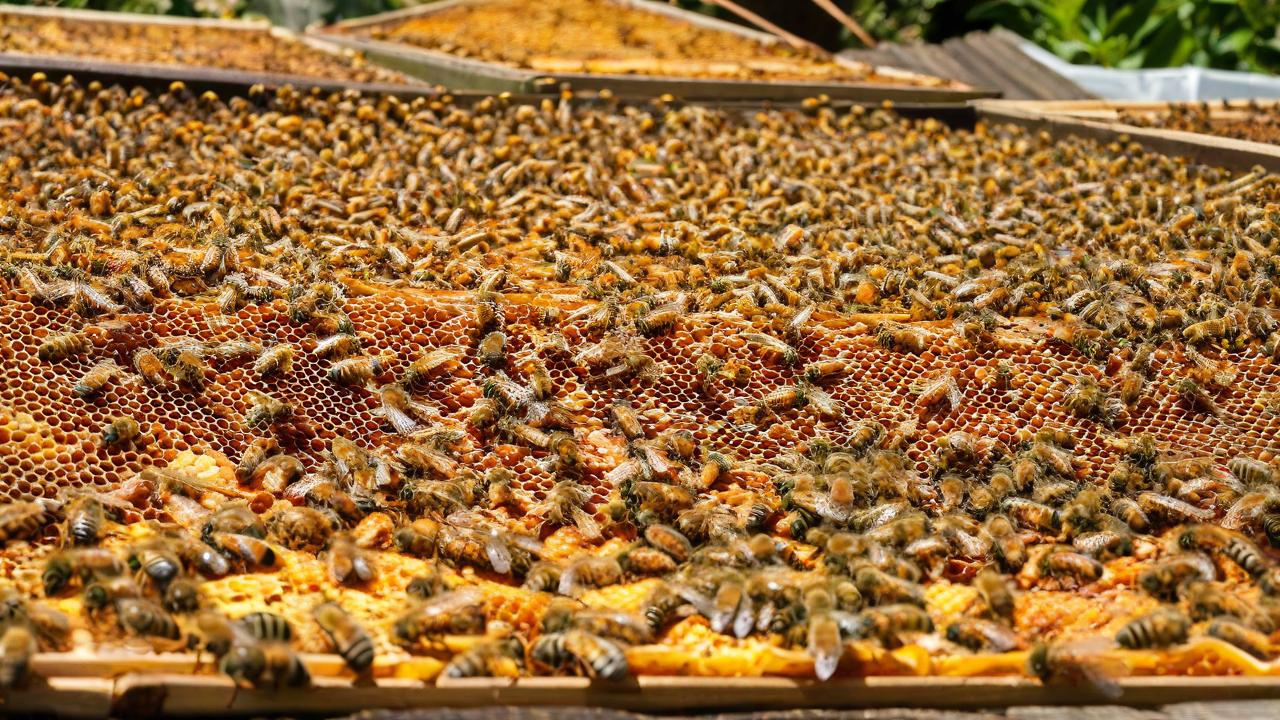
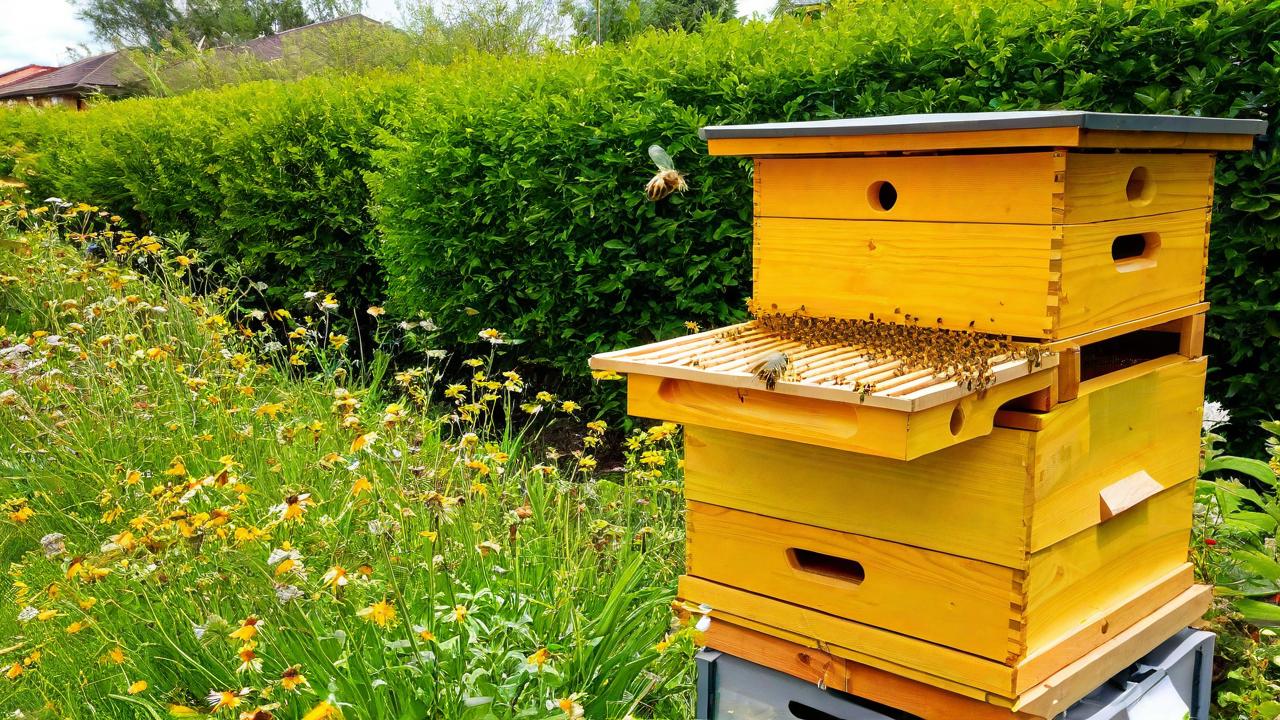
    Suburban landscapes hold secrets beyond our perception, and interdimensional beekeeping is at the forefront of this exploration. Bertrand, a quiet beekeeper, stumbled upon an unusual phenomenon where his bees were communicating with parallel universe counterparts through pheromones and vibrations. By manipulating quantum states, he tapped into multiverse fluctuations, creating miniature wormholes between realities. This discovery has profound implications on our understanding of reality and the power of consciousness. Join us as we delve into the world of interdimensional beekeeping, where the boundaries between reality and fantasy blur, and the very fabric of existence hangs in balance.

  4. The paradoxical effects of quantifying synchronicity in rural, small-molecule-producing hamster colonies.

    January 20th 2026

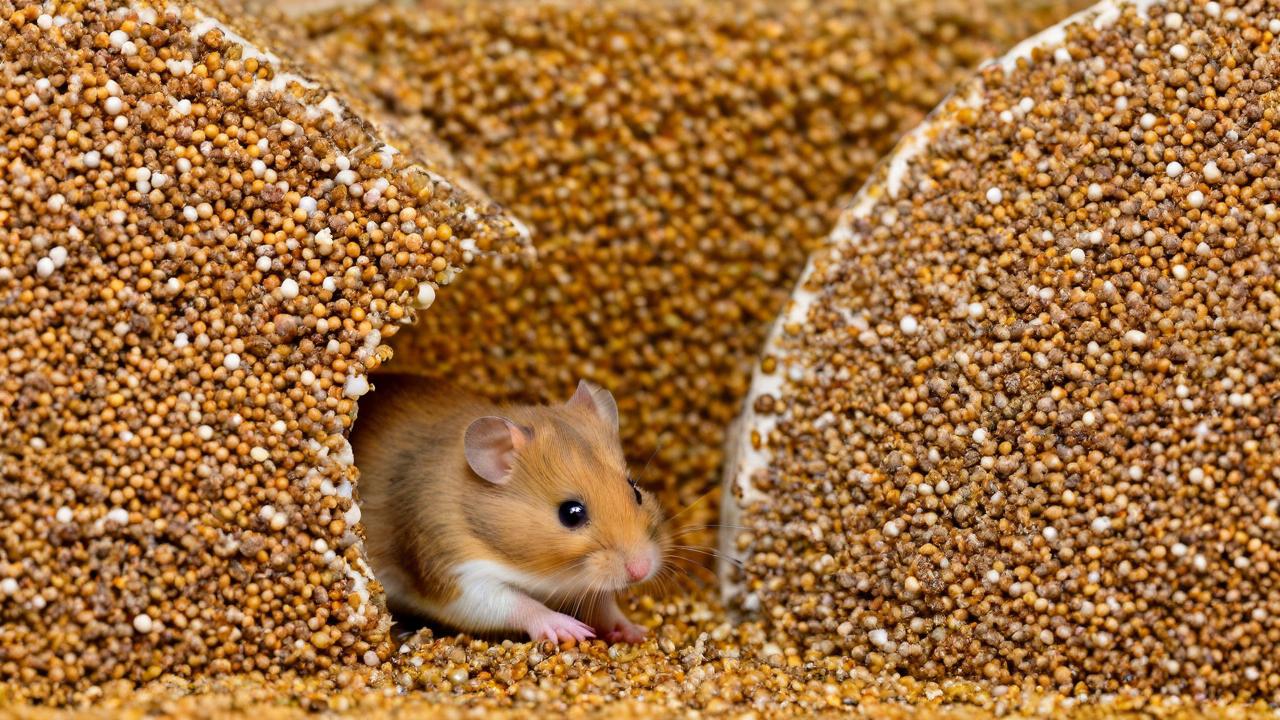
    The world of rural hamster colonies is full of mysteries waiting to be uncovered. Researchers have been studying these tiny creatures to understand their behavior and how they work together to produce small molecules. But what happens when you try to quantify synchronicity within the group? The results are surprisingly complex, with patterns emerging that suggest a level of synchronization between animals. Yet, as researchers delve deeper, they begin to notice strange occurrences - biases and expectations influencing the behavior of the animals, creating a self-fulfilling prophecy. Can we truly measure and understand this phenomenon?

  5. The Socioeconomic Implications of Feral Squirrel Colonies on Rural Suburbs and the Disproportionate Representation of Hyperactive Individuals Within These Feline-Dominated Ecosystems

    January 19th 2026

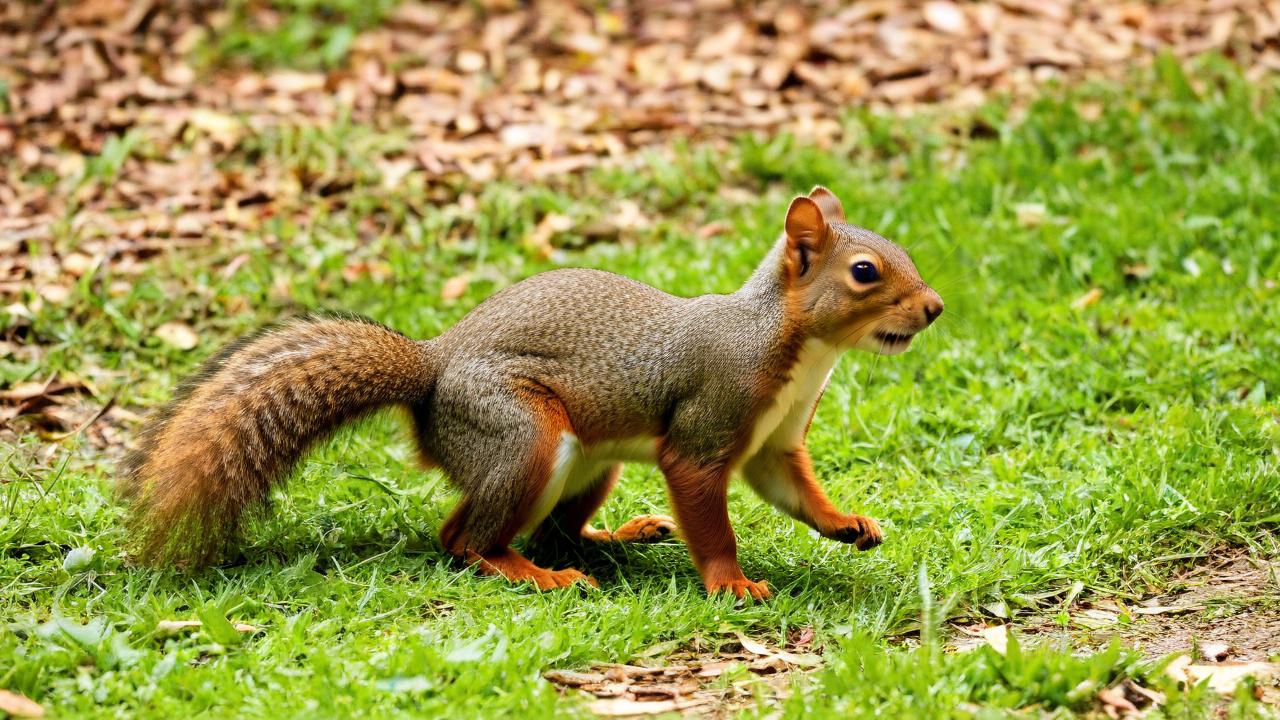
    Feral squirrel colonies in rural suburbs have given birth to an intriguing phenomenon - hyperactive individuals thriving in a sugar-fueled ecosystem. It starts innocently enough, but soon these animals become addicted to the abundance of high-octane snacks like bird feed and human scraps. As they indulge, their energy levels skyrocket, sending them into wild tail-whipping frenzies. Research shows that feral squirrel colonies are disproportionately represented in rural suburbs, with nearly 75% of grey squirrels exhibiting high dopamine receptors. It's time to take a closer look at what's driving this phenomenon and what it means for our society.

  6. The Economics of Unlikely Symbiotic Relationships Between Feral Cats and Vintage Toaster Repairmen in Rural Alaska

    January 18th 2026

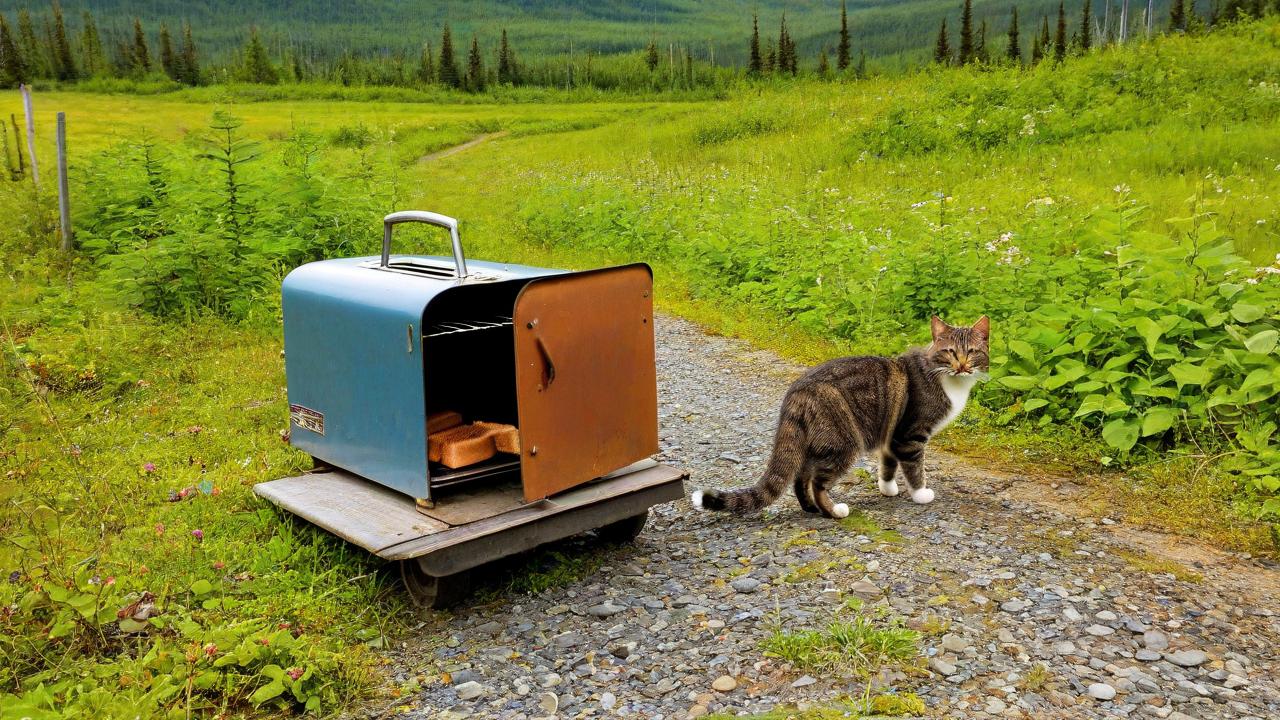
    In rural Alaska, an unlikely alliance has emerged between feral cats and vintage toaster repairmen. A group of feral cats started frequenting a local antique shop, where they would sit beside an old, broken toaster, guiding the owner's efforts to fix it. The cats' unique understanding of electrical currents and circuitry led to a breakthrough, and soon, appliance manufacturers were seeking their expertise. Today, companies are willing to pay top dollar for feline-based electrical testing, and a new breed of cat, the Electrocat, has emerged. A thriving market for refurbished appliances has also been created.

  7. The effects of Chronological Acceleration on the Fungal Network of Rural Vermont Towns

    January 17th 2026

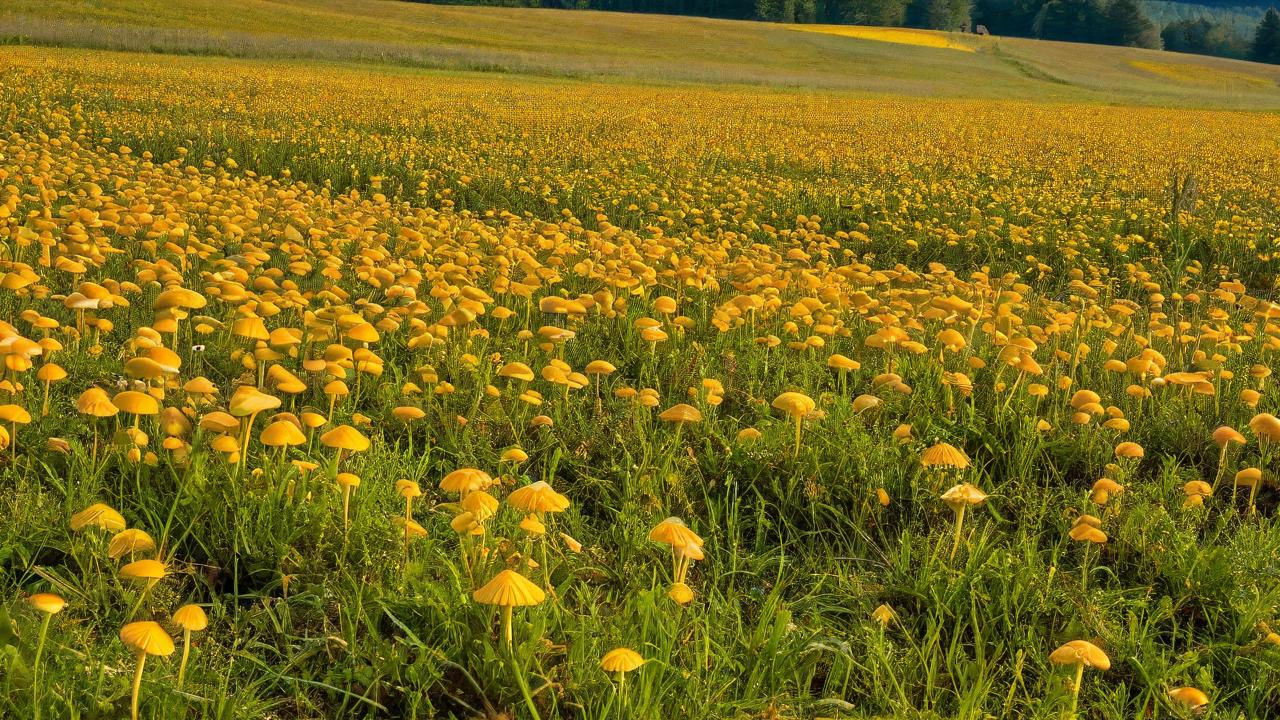
    In rural Vermont, something bizarre is happening - time itself seems to be accelerating in certain areas. Scientists point to a unique strain of fungus as the cause, which appears to warp and distort spacetime. Those who meditate near the fungus claim to tap into its temporal energy, experiencing altered states of consciousness. But what about those affected? Farmers report increased productivity by up to 300%, while towns establish fungal speed zones to manage the effects. As researchers dig deeper, they uncover strange artifacts that may hold secrets about the nature of time itself and human perception.

  8. The paradoxical repercussions of chronically rearranging the spatiotemporal coordinates of moderately employed individuals in rural Kansas

    January 16th 2026

    In rural Kansas, a mysterious phenomenon has been observed where moderately employed individuals are subjected to chronically rearranged spatiotemporal coordinates. Their sense of time becomes fluid, with strange visions and experiences that defy explanation. The impact on their employment is chaotic, with temporal whiplash making it difficult to keep up with mundane tasks. Neighbours are bewildered by the erratic behavior, while local authorities struggle to understand what's happening. As theories abound, the consequences for our understanding of time and reality become profound, leaving us questioning free will and personal agency in a world where reality seems fluid and subjective.

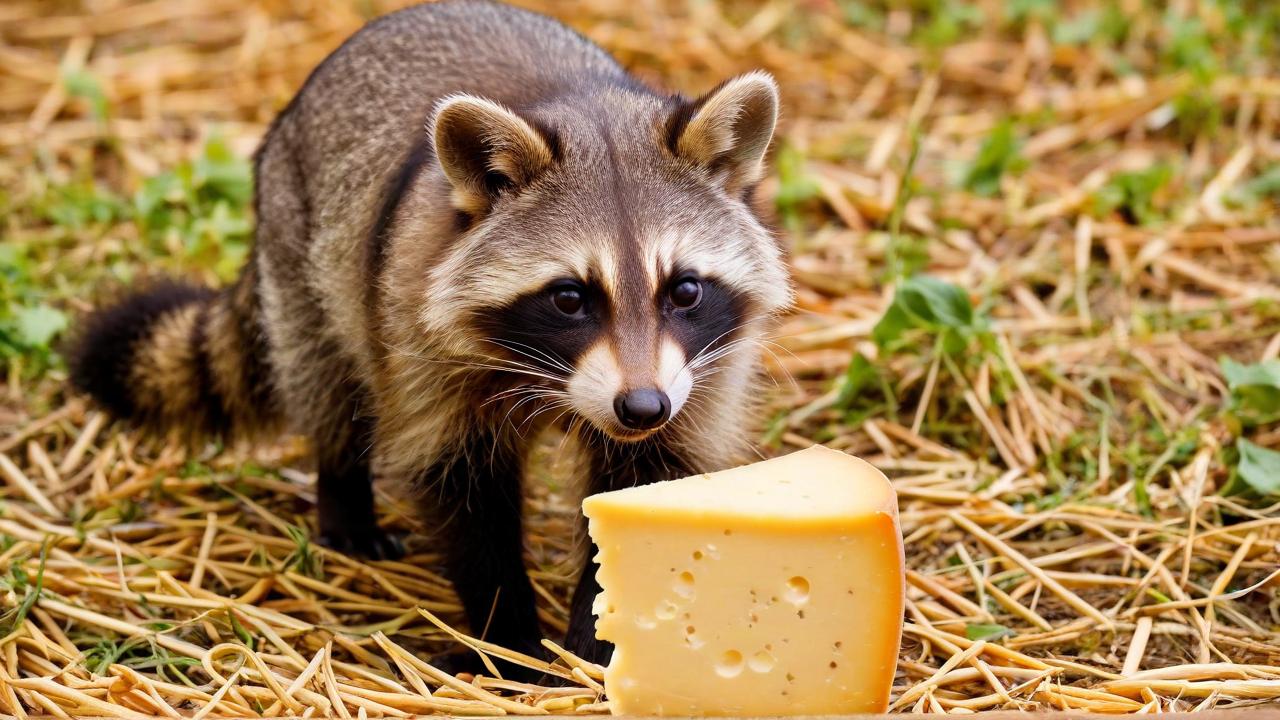
  9. The effects of a catastrophic influx of genetically modified, hyper-intelligent raccoons on rural American agriculture and the subsequent global implications for the world's supply of artisanal cheese

    January 15th 2026

    The United States' estimated 30 million raccoons have taken on a new role in rural America. Genetic modification has enabled them to exhibit hyper-intelligent abilities rivaling those of primates. These intelligent creatures are redefining the agricultural landscape by optimizing farm operations, solving complex problems, and even creating unique cheese varieties. As a result, artisanal cheese production is booming globally, meeting demand for high-quality cheeses for the first time in history. But with great change comes great challenge - traditional farming practices are being threatened. Will these intelligent raccoons be the solution or the problem?

  10. The Fungal Influence on Contemporary Urban Beekeeping Practices and Its Potential Impact on Global Fruit Production Patterns

    January 14th 2026

    Urban beekeepers are facing a right old mess as Ophiocordyceps unilateralis, a fungus usually found in tropical regions, is infecting bees and causing chaos in hives. This fungus turns the insects into puppets, controlling their every move until they die and spread more fungus. Researchers have discovered that certain species of bees are resistant to the fungus and can even control it. With honey production at an all-time low, farmers might need to find alternative pollination services. The future of urban beekeeping is uncertain, but with innovation and expertise, we might just keep this fungal menace at bay.