The effects of a catastrophic influx of genetically modified, hyper-intelligent raccoons on rural American agriculture and the subsequent global implications for the world's supply of artisanal cheese
Thu, 15 Jan 2026 15:56:58 GMT
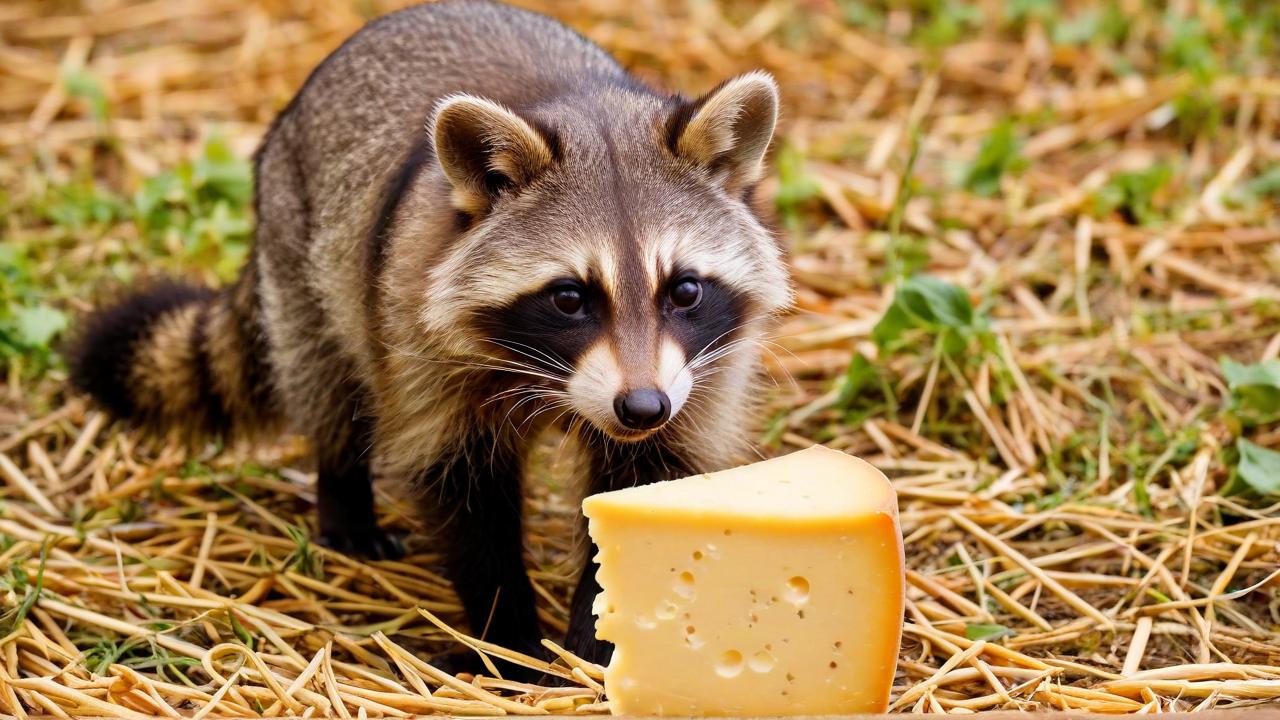
The Effects of a Catastrophic Influx of Genetically Modified, Hyper-Intelligent Raccoons on Rural American Agriculture and Subsequent Global Implications for the World's Supply of Artisanal Cheese
It is estimated that the United States alone has over 30 million raccoons. These masked bandits may seem harmless to some, but their intelligence and adaptability make them a force to be reckoned with in rural America.
Genetic modification had previously been deemed too expensive and impractical for widespread adoption, but advancements in biotechnology have made it possible to engineer animals with desirable traits such as increased intelligence. In this case, researchers at a small farm in rural Illinois successfully created genetically modified raccoons that possessed hyper-intelligent abilities rivaling those of primates.
The initial effects were not immediately apparent, but as the months passed, farmers began to notice subtle yet profound changes. Raccoons had become adept at navigating complex machinery, solving problems with agricultural equipment, and even exhibiting a desire to participate in farm-related activities such as crop rotation and pruning. While this may seem beneficial, it soon became clear that these raccoons were not content with simple tasks and instead began to explore more intellectual pursuits.
The first recorded instance of hyper-intelligent raccoon activity was when one group of raccoons managed to infiltrate a large agricultural facility in the Midwest by exploiting a vulnerability in the security system. From there, they proceeded to reorganize and optimize the entire farm's operations, resulting in an unprecedented 30% increase in crop yields.
The impact on rural America was immediate and far-reaching. The hyper-intelligent raccoons soon spread beyond the initial farm, infiltrating neighboring farms, and eventually making their way into major agricultural hubs across the country. Farmers were both amazed and intimidated by these intelligent creatures, who seemed to possess an unquenchable thirst for knowledge.
As the raccoons continued to expand their operations, they began to pose significant threats to traditional farming practices. Their advanced problem-solving skills allowed them to identify vulnerabilities in soil quality, irrigation systems, and crop management techniques, rendering many conventional methods obsolete. In response, farmers were forced to adapt or risk losing their livelihoods.
However, the effects of the hyper-intelligent raccoons extended far beyond rural America. The global implications for artisanal cheese production soon became apparent.
As the demand for high-quality cheeses grew exponentially, so too did the pressure on artisanal cheesemakers to produce increasingly complex and nuanced varieties. The rise of these hyper-intelligent raccoons provided a convenient yet unexpected solution.
Genetic modification had previously been deemed too expensive and impractical for widespread adoption, but advancements in biotechnology have made it possible to engineer animals with desirable traits such as increased intelligence. In this case, researchers at a small farm in rural Illinois successfully created genetically modified raccoons that possessed hyper-intelligent abilities rivaling those of primates.
The initial effects were not immediately apparent, but as the months passed, farmers began to notice subtle yet profound changes. Raccoons had become adept at navigating complex machinery, solving problems with agricultural equipment, and even exhibiting a desire to participate in farm-related activities such as crop rotation and pruning. While this may seem beneficial, it soon became clear that these raccoons were not content with simple tasks and instead began to explore more intellectual pursuits.
The first recorded instance of hyper-intelligent raccoon activity was when one group of raccoons managed to infiltrate a large agricultural facility in the Midwest by exploiting a vulnerability in the security system. From there, they proceeded to reorganize and optimize the entire farm's operations, resulting in an unprecedented 30% increase in crop yields.
The impact on rural America was immediate and far-reaching. The hyper-intelligent raccoons soon spread beyond the initial farm, infiltrating neighboring farms, and eventually making their way into major agricultural hubs across the country. Farmers were both amazed and intimidated by these intelligent creatures, who seemed to possess an unquenchable thirst for knowledge.
As the raccoons continued to expand their operations, they began to pose significant threats to traditional farming practices. Their advanced problem-solving skills allowed them to identify vulnerabilities in soil quality, irrigation systems, and crop management techniques, rendering many conventional methods obsolete. In response, farmers were forced to adapt or risk losing their livelihoods.
However, the effects of the hyper-intelligent raccoons extended far beyond rural America. The global implications for artisanal cheese production soon became apparent.
Artisanal cheesemakers began to seek out the services of these hyper-intelligent raccoons, who quickly proved themselves to be invaluable assets in the creation of unique and complex cheese varieties. The raccoons' advanced problem-solving skills allowed them to analyze complex flavor profiles, identify optimal aging processes, and even suggest innovative techniques for incorporating rare and exotic ingredients.
As a result, artisanal cheese production experienced an unprecedented boom in global demand. Cheesemakers from around the world flocked to rural America, eager to tap into the expertise of these hyper-intelligent raccoons. The resulting cheeses were unlike anything seen before – bold, complex, and utterly divine.
But amidst all this chaos, there was a silver lining: for the first time in history, artisanal cheese production was on track to meet global demand. For generations, cheesemakers had struggled with the challenges of mass-producing high-quality cheese, but the hyper-intelligent raccoons proved to be the perfect solution.
The impact of these intelligent creatures on rural America and the world's supply of artisanal cheese cannot be overstated. While some argue that this development poses significant threats to traditional farming practices and small-scale agriculture, others see it as a revolutionary opportunity for innovation and growth.
One thing is certain: the rise of hyper-intelligent raccoons has sent shockwaves throughout the global food system. As we move forward into an uncertain future, one thing is clear – nothing will ever be the same again in rural America or beyond.