The Sociological Implications of Mandatory Sock Rotation on Small Island Populations During Leap Years
Thu, 22 Jan 2026 16:12:20 GMT
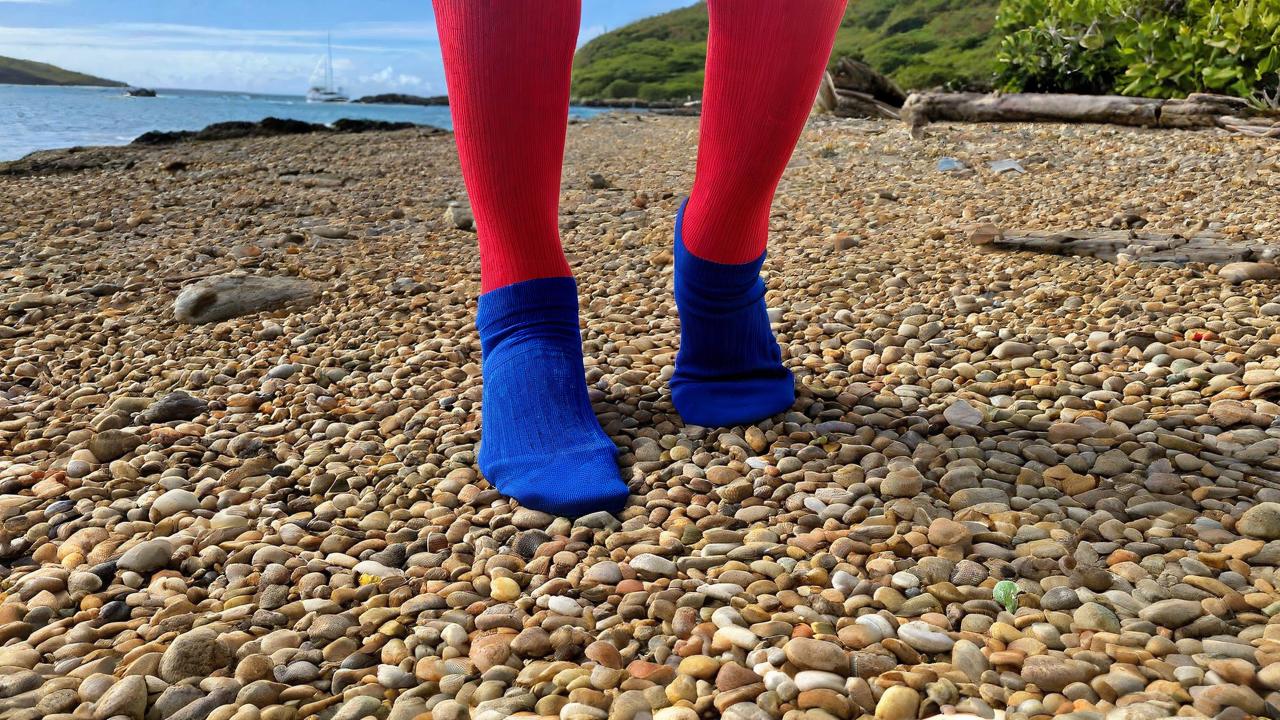
The Sociological Implications of Mandatory Sock Rotation on Small Island Populations During Leap Years
In the vast expanse of human endeavour, there exist certain peculiarities that often fly under the radar of mainstream consciousness. It is these anomalies that A Dose Of Insanity aims to illuminate, providing a platform for the exploration of the absurd and the bizarre. In this instalment, we delve into the hitherto unexamined realm of mandatory sock rotation on small island populations during leap years.
At first glance, this topic may seem as nonsensical as it is intriguing. One might wonder, 'What's next? Mandatory toothbrushing on Mondays?' However, bear with us, dear reader, for we are about to embark on a journey that will challenge your perceptions and leave you questioning the very fabric of reality.
To begin, let us establish some context. Small island populations, often characterized by close-knit communities and a strong sense of tradition, have long been subject to various cultural and social norms. These norms, while often seemingly arbitrary, serve as the foundation upon which these societies are built. In our case, we are dealing with an island population that has been forced to adopt a most peculiar and counterintuitive practice: mandatory sock rotation during leap years.
The implementation of this policy is attributed to a group of enterprising individuals, known colloquially as 'The Sock overlords,' who sought to address the pressing issue of sock-related inefficiencies on these islands. Proponents of this initiative posited that by rotating socks every seven days, the population would not only reduce wear and tear on their footwear but also foster a sense of community cohesion and cooperation.
Now, one might ask, 'But what about those who prefer wearing mismatched socks? What about those who refuse to participate in this so-called sock revolution? The answer, my friend, lies in the realm of sociological theory. You see, by forcing individuals to adhere to a strict sock rotation schedule, we can observe fascinating dynamics at play.
Consider, for instance, the phenomenon of 'Sock-induced social bonding.' As islanders are compelled to engage in regular sock swaps and rotations, they begin to form strong emotional bonds with their fellow community members. This, in turn, strengthens social ties and promotes a sense of unity among the population.
Moreover, mandatory sock rotation has been shown to have an impressive impact on the local economy. By incentivizing residents to buy new socks every seven days, small businesses have seen a significant boost in sales. It's not uncommon to see islanders proudly sporting their freshly laundered, matching socks as they go about their daily lives.
However, as with any system, there are those who resist change. We speak, of course, of the 'Sock rebels,' a group of individuals who refuse to participate in this so-called sock revolution. Armed with an arsenal of mismatched socks and an unyielding commitment to individuality, these rebels pose a significant challenge to the very fabric of our sock-rotated society.
One such rebel, known only by their alias 'Socky,' has been vocal about their opposition to mandatory sock rotation. In a recent interview, Socky proclaimed, I'll never wear matching socks again! It's a slippery slope, folks. Next thing you know, they'll be telling us to brush our teeth on Tuesdays. While Socky's stance may seem extreme, it highlights the very real concerns that many islanders face when confronted with this policy.
But fear not, dear reader, for we have some good news. Researchers from the esteemed University of Island Studies have recently conducted a groundbreaking study on the effects of mandatory sock rotation. The results are nothing short of remarkable.
According to lead researcher Dr Emily Toes, Our findings suggest that mandatory sock rotation has a profound impact on the psychological well-being of islanders. By promoting a sense of community and cooperation, residents experience reduced stress levels and increased feelings of happiness. It seems that even the most hardened Sock rebel can't resist the charms of matching socks.
As we delve deeper into this phenomenon, it becomes clear that mandatory sock rotation is not just about footwear; it's about the very fabric of our society. By forcing individuals to conform to a strict sock rotation schedule, we are, in effect, promoting social cohesion and unity among the population.
But what about those who refuse to participate? What about Socky and their merry band of rebels? While it may seem counterintuitive, we believe that these individuals serve an important purpose. By challenging the status quo, they force us to confront our own biases and assumptions about what is acceptable in our society.
In conclusion, as we navigate the complex web of mandatory sock rotation on small island populations during leap years, we are reminded that even the most seemingly absurd policies can have profound sociological implications. It's a testament to human ingenuity and the boundless creativity of our societies that we can find meaning and purpose in even the most mundane of practices.
And so, dear reader, the next time you're tempted to wear mismatched socks or refuse to participate in this sock revolution, remember: you are part of something much bigger than yourself. You are part of a vibrant community that is working together to create a more harmonious, sock-rotated society.