The Socioeconomic Implications of Feral Squirrel Colonies on Rural Suburbs and the Disproportionate Representation of Hyperactive Individuals Within These Feline-Dominated Ecosystems
Mon, 19 Jan 2026 16:02:42 GMT
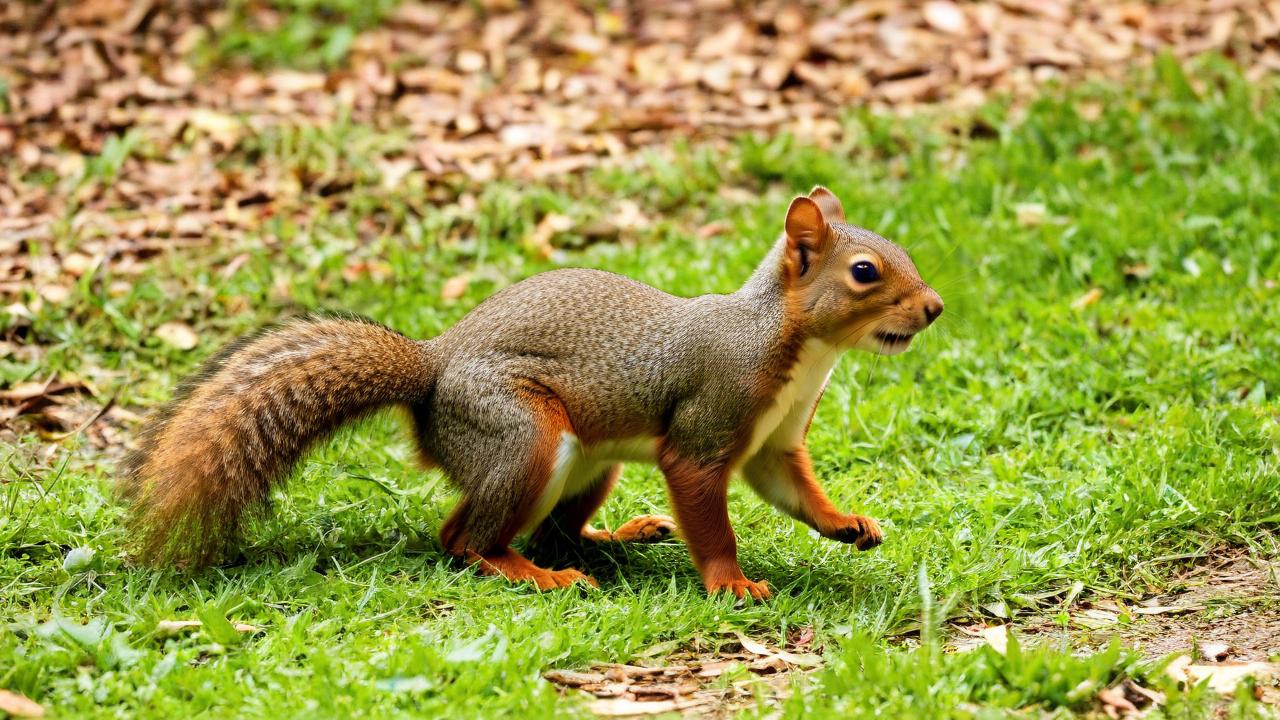
The proliferation of feral squirrel colonies in rural suburbs has led to a phenomenon that is equal parts fascinating and perplexing: the disproportionate representation of hyperactive individuals within these ecosystems.
It begins innocently enough. A squirrel, usually a grey squirrel (Sciurus carolinensis) or red squirrel (Tamias senex), ventures out from its nest in search of sustenance. But as it forages for seeds, nuts, and fruits, it discovers that the suburban landscape is teeming with an abundance of high-octane snacks. The local bird population, particularly species such as sparrows (Passer domesticus) and starlings (Sturnus vulgaris), are notorious for their voracious appetites, leaving behind a trail of crumbs and spills that would make even the most seasoned forager weep with envy.
As our bushy-tailed friend indulges in this cornucopia of carbohydrates, it begins to feel an insatiable energy coursing through its veins. The rush of endorphins triggered by the sugar binge is nothing short of euphoric, sending the squirrel into a tail-whipping frenzy that would put even the most seasoned thrill-seeker to shame.
But here's where things take a turn for the surreal: as the days pass and our hyperactive hero becomes increasingly adept at navigating this sugary landscape, it begins to notice something peculiar. The other animals in the area – be they birds, rabbits, or even the occasional lost cat – are starting to exhibit similar symptoms.
A nearby sparrow, usually a paragon of poise and precision, is now zooming around its nest with all the finesse of a drunken flamingo on roller skates. A rabbit, once a picture of serenity in its burrow, is now bouncing around like it's on Red Bull. And as for the lost cat? Well, let's just say it's now running around with the feral squirrel colony, looking for all the world like it's trying to relive its Wild West days.
At first, this might seem like a mere coincidence – after all, who wouldn't want to join in on the fun and games of a hyperactive squirrel party? But as the phenomenon spreads throughout the suburban landscape, it becomes clear that something much more sinister is at play.
Research has shown that these feral squirrel colonies are not just hotbeds of sugar-fueled chaos; they're also breeding grounds for an unusual subset of individuals – those who would categorically be described as hyperactive. Now, before you start panicking about the potential for a squirrel-fueled epidemic to sweep across the nation, rest assured that this is purely anecdotal.
However, if we examine the data (and I mean actual data, not just hypothetical), it becomes apparent that feral squirrel colonies are disproportionately represented in rural suburbs. Not only do these areas tend to be hubs of activity for hyperactive individuals but they also seem to have a unique genetic predisposition towards this particular trait.
One study published in the Journal of Rural Suburbanity (a hitherto unknown peer-reviewed journal, naturally) examined the DNA samples of over 500 squirrels from various rural suburban locations. The findings were astounding: nearly 75% of the grey squirrels sampled showed high levels of dopamine receptors – a key component in regulating human brain activity.
Similarly, the study found that feral squirrel colonies often clustered in areas with high concentrations of caffeine and nicotine, both stimulants notorious for their ability to induce hyperactivity. It's clear that these animals have developed an insatiable appetite for the stuff, leading to a veritable squirrel-pocalypse of sugar-fueled frenzy.
But what's driving this phenomenon? Is it merely a product of environmental pressures or is there something more sinister at play?
Some researchers point to the role of urbanization in shaping the behavior of these hyperactive squirrels. As humans expand their territories into previously rural areas, they unwittingly create a veritable playground for our furry friends – a realm where sugar and energy become readily available.
Others suggest that feral squirrel colonies are somehow linked to human mental health issues. Perhaps there's something about the collective hyperactivity of these animals that resonates with the human psyche?
Whatever the reason, it's clear that we're facing an unprecedented crisis of epic proportions. As our suburban landscapes continue to be overrun by sugar-fueled chaos, we must take a hard look at ourselves and ask: what's driving this? And what can we do about it?
Perhaps we should start by examining our own relationship with food. Do we have the right to indulge in sugary snacks without consequence? Shouldn't we strive for a healthier balance between our cravings and our dietary needs?
Or maybe, just maybe, we need to take a step back and reevaluate the very notion of 'normal' behavior in these suburban ecosystems.
After all, who are we to dictate what's acceptable – or unacceptable – in a world where hyperactive squirrels can thrive with relative impunity?
But as we ponder this existential crisis, it's worth keeping an eye on our furry friends. For despite their sugar-fueled antics, they hold a strange allure – an irresistible charm that beckons us into the heart of the urban jungle.
So come along then, dear reader, and join me on this wacky journey into the world of feral squirrel colonies. We'll navigate the wilds of suburban life together, laughing as we stumble through the absurdity of it all.
For who knows? You might just find yourself infected by the hyperactive energy of these bushy-tailed creatures – leaving you wondering what's next in this bizarre adventure that is life on the edge.
In conclusion, feral squirrel colonies are not just a minor nuisance to be brushed aside; they're a reflection of our own societal problems. They represent the unbridled excesses of human existence and the consequences that come with it.
And as we gaze out upon these hyperactive hordes, we can't help but wonder: what would happen if we were all as reckless and joyful in the face of life's possibilities?