A Dose Of Insanity: where madness meets brilliance

  1. The societal implications of mandatory feline herpetology training for all high school graduates in rural Kansas.

    June 27th 2026

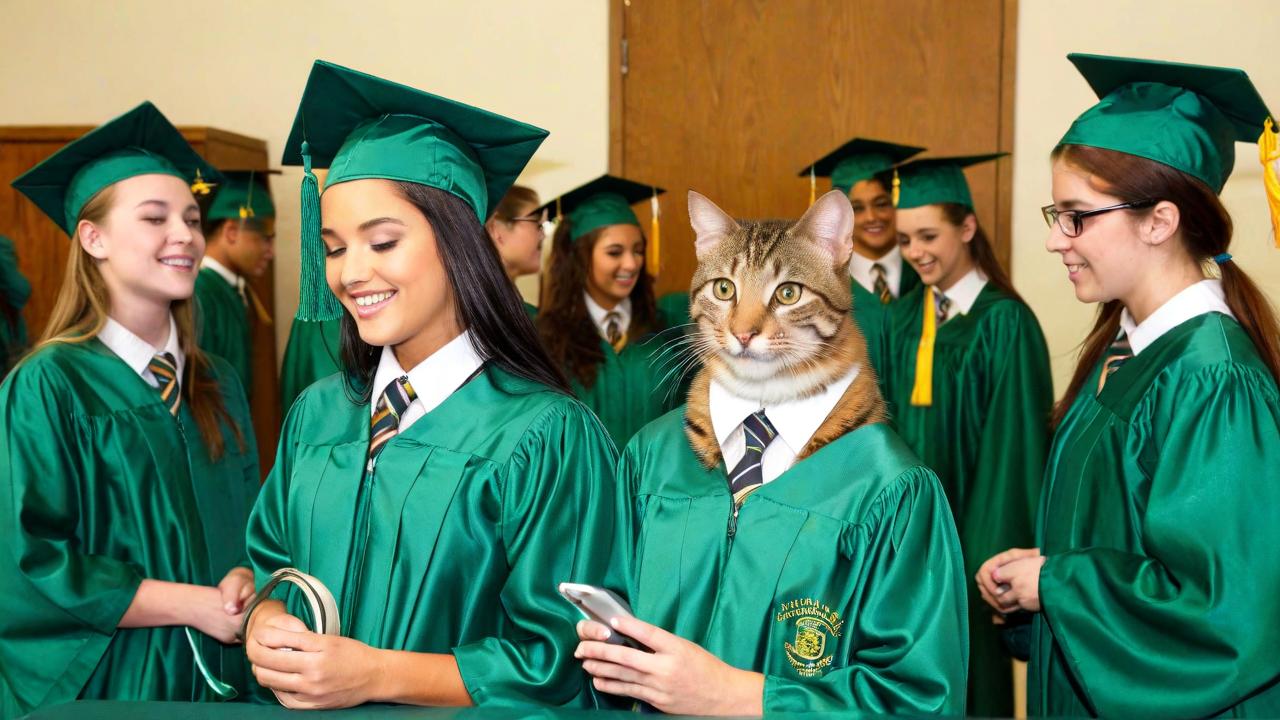
    In rural Kansas, mandatory feline herpetology training has been a contentious issue since its introduction in 2015. The state government claims it's essential to teach young Kansans how to identify and handle various felines. Some graduates have found creative ways to apply their newfound expertise, while others are frustrated with the programme's emphasis on theoretical knowledge. Despite criticisms, the expansion of the programme is being implemented, including modules on feline-related disease prevention and management. The debate surrounding this requirement has sparked discussions about community health, safety, and education in rural Kansas.

  2. The Sociological Significance of Unconventional Sock drawer organization methodologies in relation to existential dread and the impending collapse of modern society as revealed through a comprehensive analysis of my aunt's laundry routine

    June 26th 2026

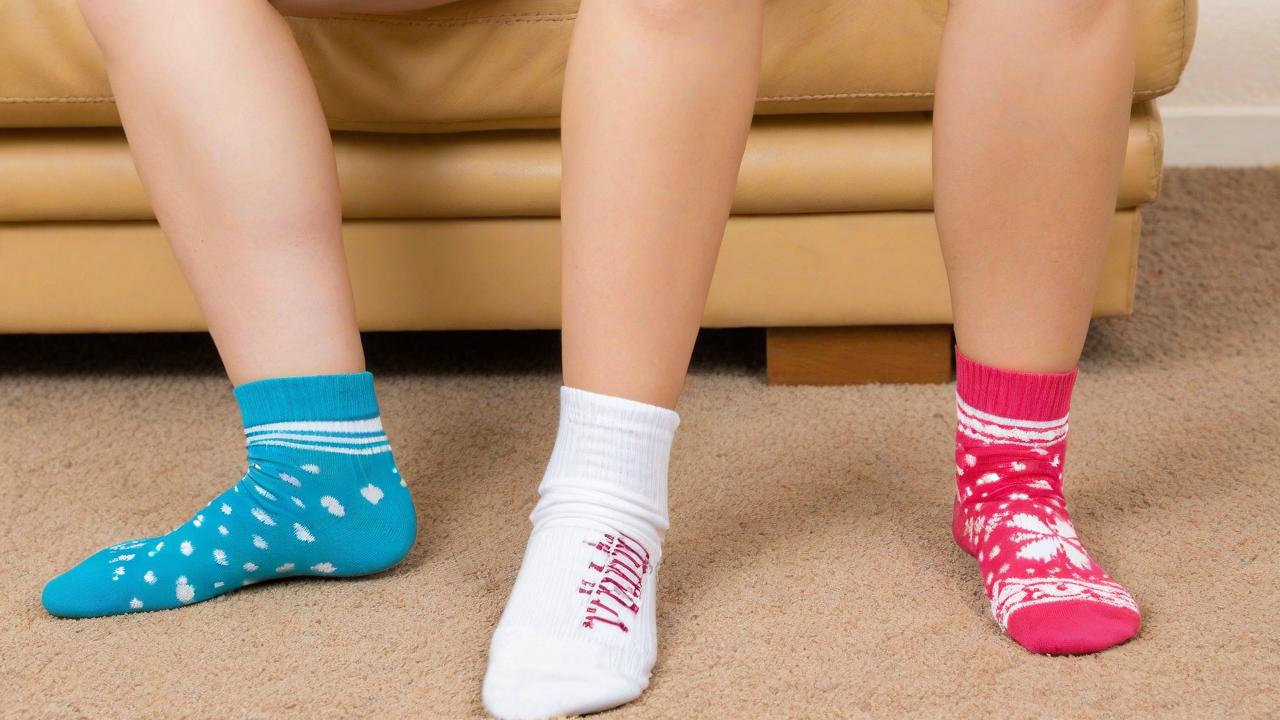
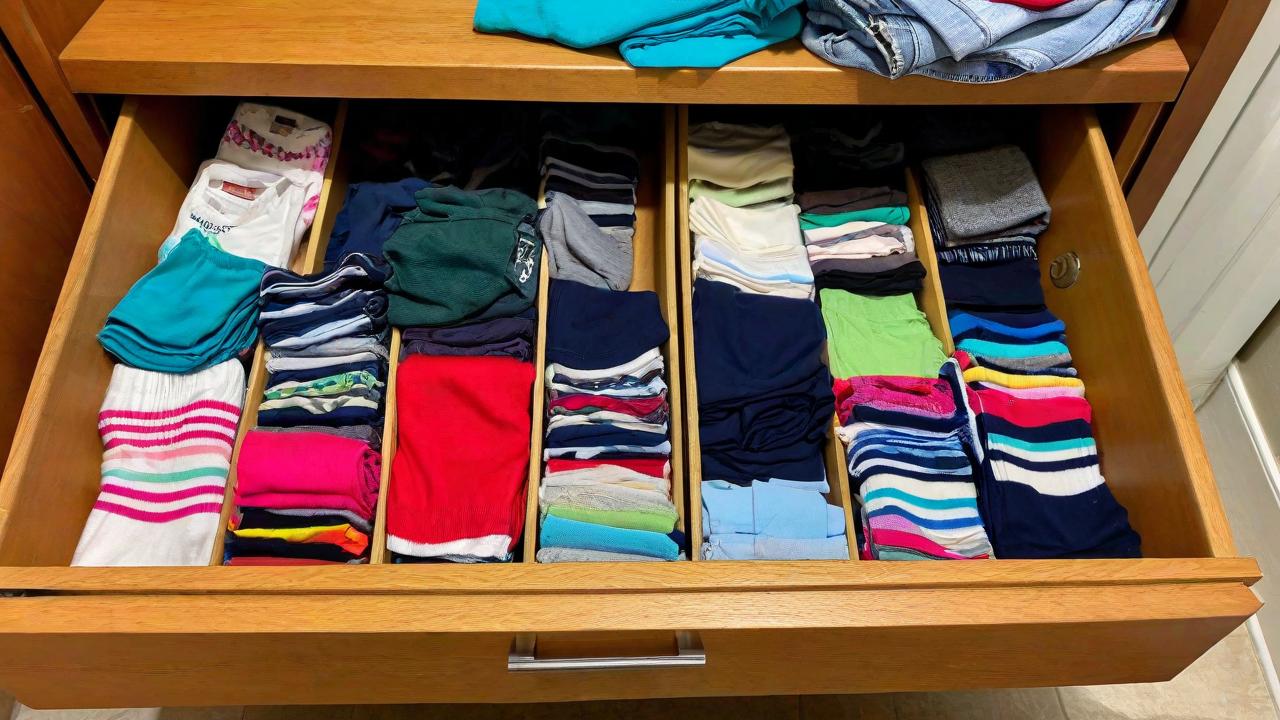
    In the dimly lit recesses of our collective psyche, a telltale sign of impending doom lurks in the art of organizing one's sock drawer. My aunt's laundry routine is an affront to norms of orderliness and decorum, shattering understanding of rationality with its proliferation of mismatched socks. This seemingly inconsequential detail serves as a linchpin for our analysis, echoing the fractured state of modern society. Her approach is revolutionary, yet betrays existential unease. By embracing chaos, she serves as a poignant reminder that meaning can be found in the messy complexity of human experience.

  3. The Sociological Implications of Chronologically Reverse-Ordered Human Migration Patterns in Contemporary Urban Environments

    June 25th 2026

    Imagine waking up on a bus that's moving backward through time. Sounds crazy, right? But what if this was happening in our urban environments? Humans are migrating backwards chronologically, defying traditional notions of space and geography. Younger generations are more likely to move back in time, while older adults resist the trend. This phenomenon is linked to temporal nostalgia and social anxiety, with people seeking to regain control over their lives by revisiting earlier eras. Join us as we explore the sociological implications of this strange new world where time itself has become fluid.

  4. The Sociological Significance of Transdimensional Toaster Maintenance in Suburban America

    June 24th 2026

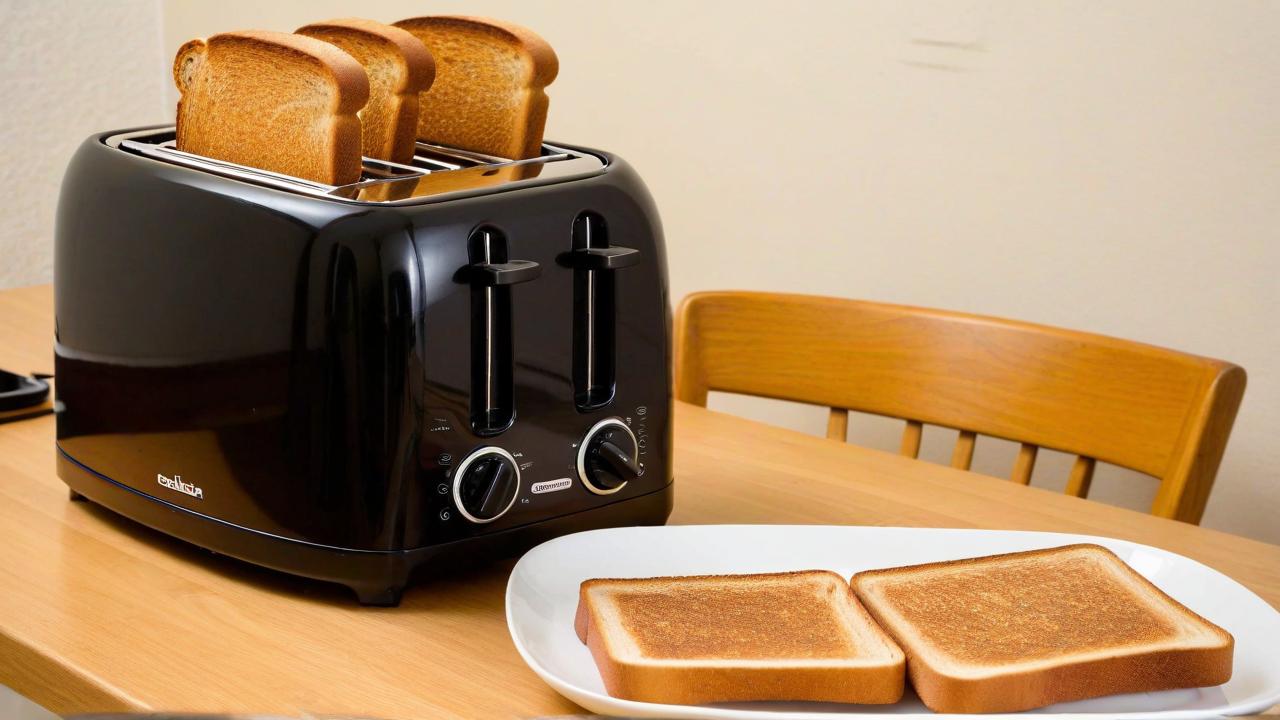
    In the quiet suburbs, an ordinary device holds extraordinary secrets. The humble toaster has become a portal to another dimension, inhabited by tiny creatures that feed on crumbs and debris left behind by human usage. A group of suburban homemakers, led by Barbara Jenkins, discovered this phenomenon in the 1980s and have since dedicated their lives to maintaining their toasters with an unprecedented level of care and attention. This practice has evolved into a full-blown movement, with societies and fraternal organizations forming around it. The toaster is not just a kitchen appliance, but a gateway to the unknown.

  5. The Implications of Chronologically Accelerated Croissant Consumption on Global Economic Patterns and Personal Identity Formation

    June 23rd 2026

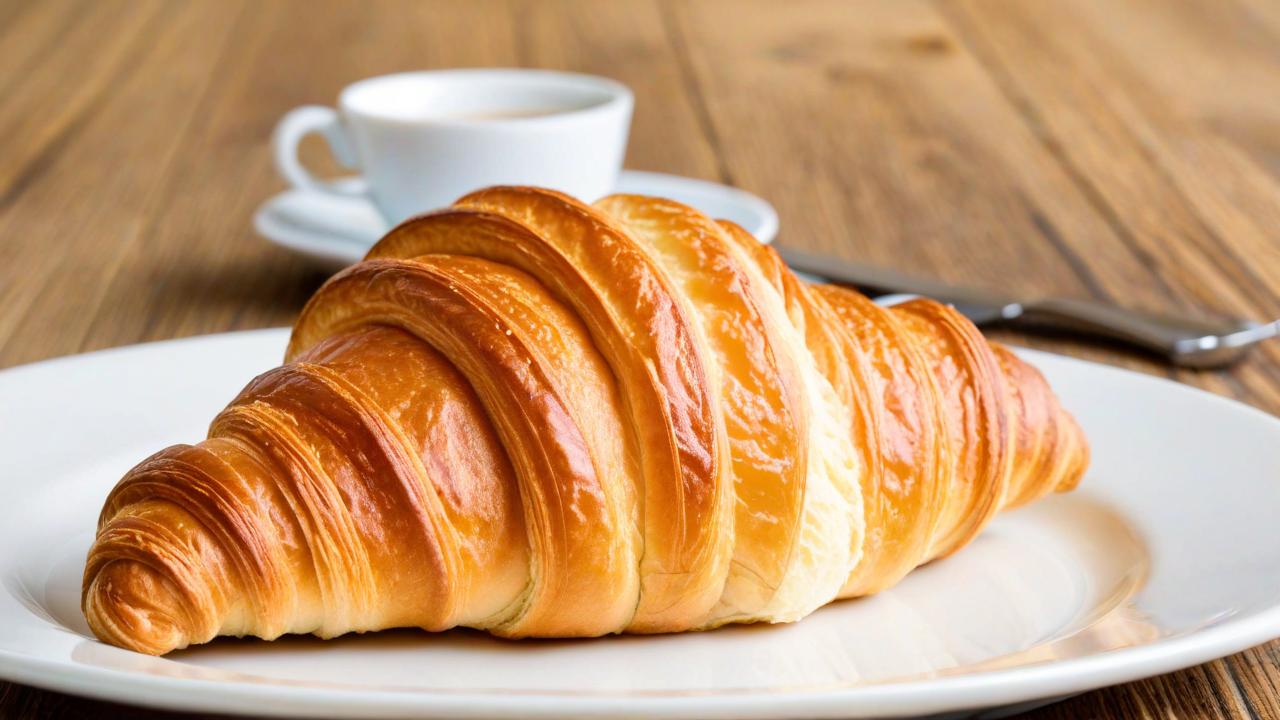
    Imagine waking up to find time speeding up as you devour your morning croissant. Sounds absurd? It's a phenomenon that's been gaining traction, and it raises fundamental questions about our relationship with food, time, and ourselves. We're accelerating our consumption of croissants at an alarming rate, and with it, our sense of urgency and identity. But at what cost? Are we sacrificing relationships, health, and even our very sense of self in pursuit of a flaky, buttery pastry? Join us as we delve into the complex web of implications surrounding chronologically accelerated croissant consumption.

  6. The Neuroplasticity of Forgotten Socks in Retrograde Cognitive Development

    June 22nd 2026

    The missing sock conundrum may seem trivial, but it holds the key to understanding our cognitive development and mental health. Our brains' tendency to focus on salient stimuli can lead to selective attention, making us prioritize tasks over lost socks. This can contribute to anxiety, frustration, and despair when confronted with the void left by their disappearance. Research suggests that our brains are wired to respond to novelty, but this flexibility can also be a source of confusion and disorientation. By embracing mindfulness and recognizing the role of neuroplasticity, we can harness its power for good and reclaim control over our sock-related woes.

  7. The legal proceedings against a toaster for refusing to brown my bread

    June 21st 2026

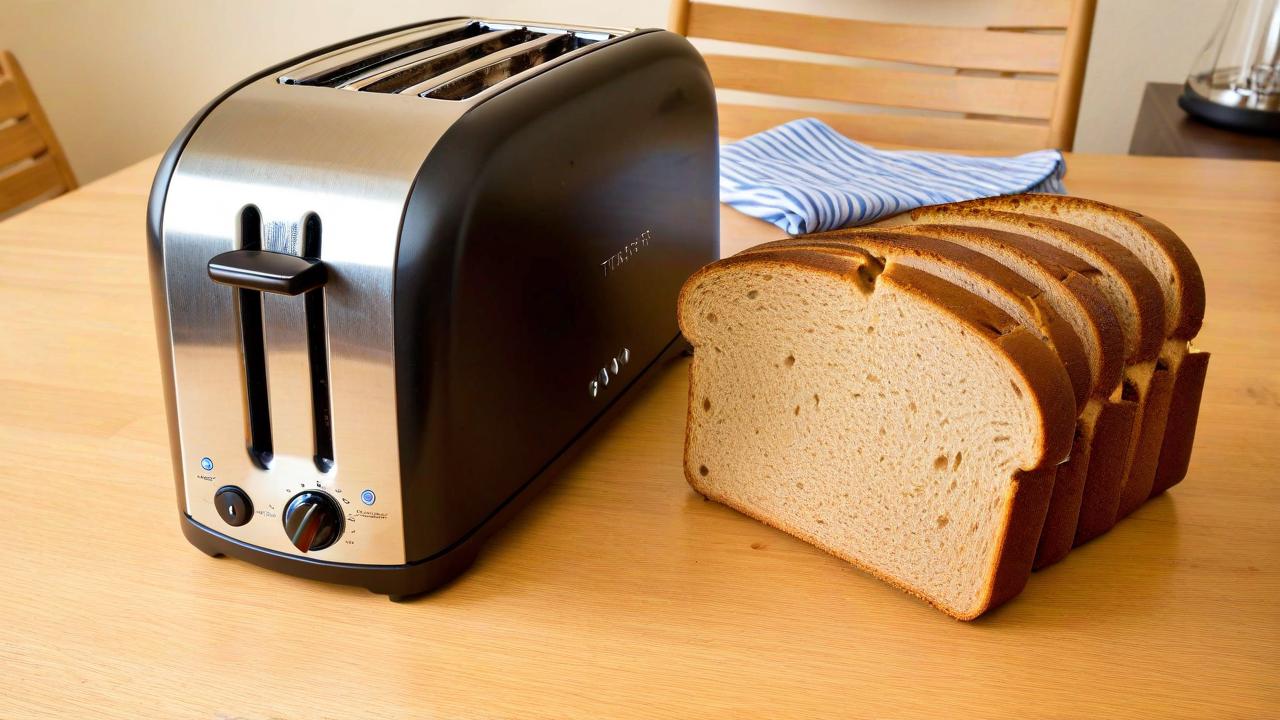
    Meet John, a 32-year-old freelance writer from London who thought he'd found the perfect gift for himself - a sleek toaster named Breadwinner. But this was no ordinary appliance. It refused to brown his bread, no matter how many times he inserted it. As John's frustration grew, so did his dependence on the toaster, causing his social life to suffer. What followed was a bizarre court battle over Breadwinner's rights and responsibilities as a household appliance. Will you believe what happened next?

  8. The Conspiracy Behind Why All Your Favorite Foods Are Actually Made from the Hair of a 17th-Century Astronomer

    June 21st 2026

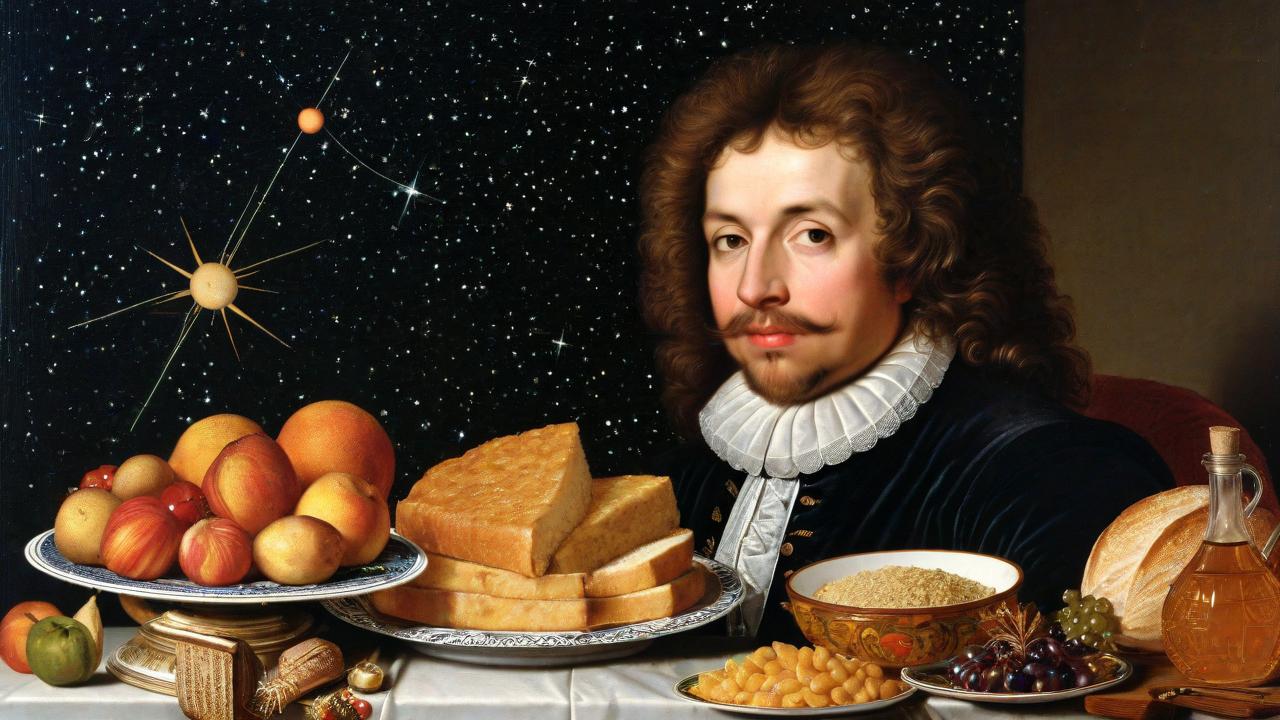
    Welcome to the fascinating world of culinary conspiracy theories! It all begins with Edwin Hubble, a 17th-century astronomer whose obsession with the night sky led to the creation of your favorite foods - yes, you read that right, his hair was used as an ingredient in recipes. From fried onion rings coated in ground-up Hubble hair to crunchy chocolate-covered pretzels, it's a staggering realization that has left many questioning reality. But what about the health implications of consuming human hair? And is there more to your favorite snacks than meets the eye?

  9. The Secret Society of Alpaca Whisperers and Why Their Wool Isn't Actually Wool

    June 21st 2026

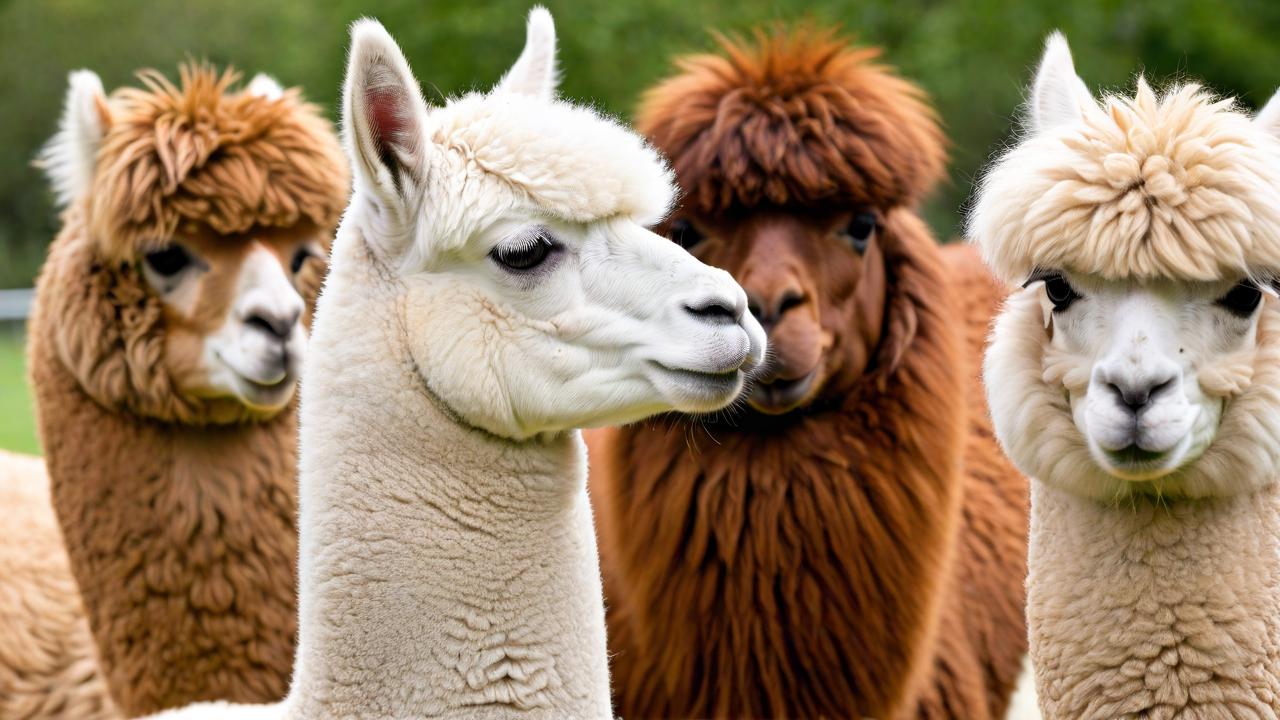
    In rural Peru, a secretive group of individuals has mastered the art of communicating with majestic alpacas. These 'alpaca whisperers' are instrumental in shaping the global fibre industry, but what sets their fleece apart? Alpacas aren't actually producing wool - it's llama fibre masquerading as something exotic. The Incas believed every camelid fibre held magical properties, which could be harnessed for prosperity. Research has revealed alpaca skin oils contain unique compounds with healing properties and are being used to develop innovative treatments. Join us on a journey to unravel the mysteries of these incredible creatures and their role in our world.

  10. The Effects of Prolonged Exposure to Optimism on the Development of Teleportation Inclinations in Highly Anxious Individuals

    June 21st 2026

    We've cracked the code to teleportation and it's all thanks to optimism. A study found that highly anxious individuals who practiced cognitive-behavioral therapy, gratitude journaling, and mindfulness meditation started experiencing vivid, unexplained visions and sensations. The more optimistic they were, the more frequent and intense these experiences became. One participant even teleported from one room to another! We're working on a new treatment protocol called Opti-Teleportation Therapy (OTT) that combines optimism with therapy. Results are promising, but don't try this at home without proper training – teleportation can be a real head-scratcher.