The Sociological Implications of Mandatory Sock Puppet Therapy for Individuals With Unresolved Issues Related To Their Grandparents' Old Wardrobe Choices.
Mon, 04 May 2026 22:15:25 GMT
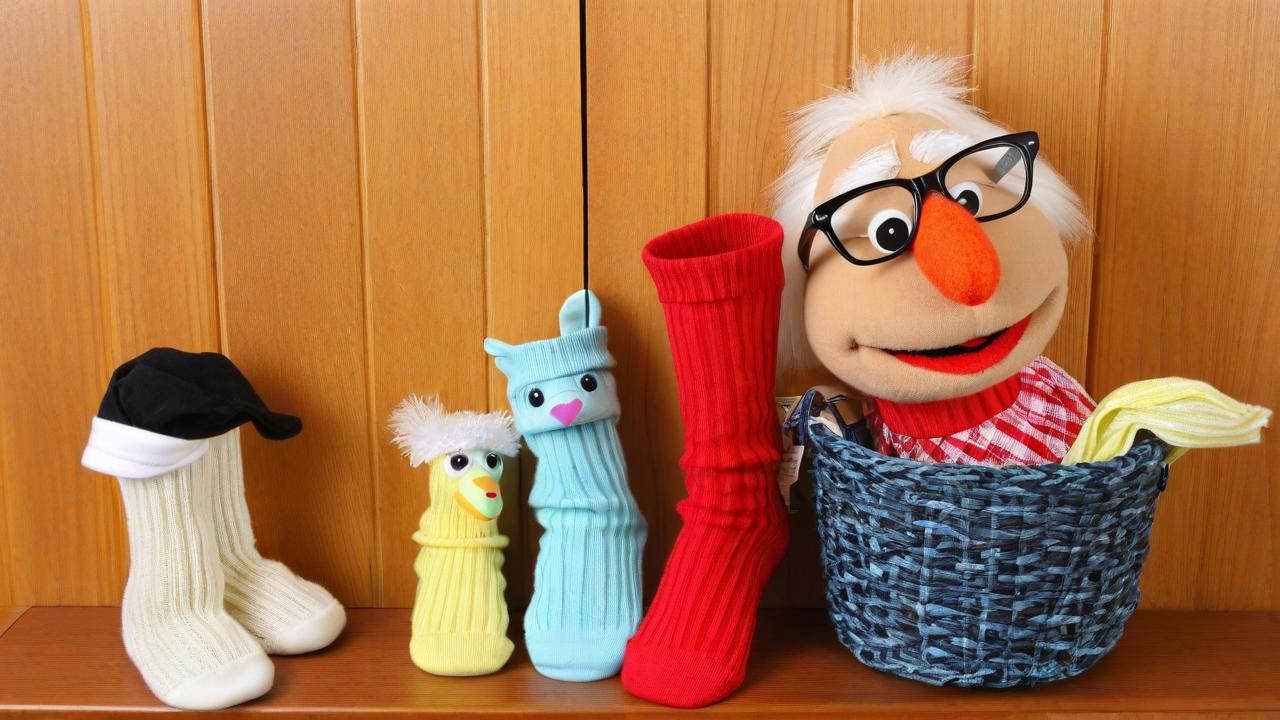
The Implementation of Sock Puppet Therapy: Unraveling the Mysteries of Grandma's Wardrobe Choices
In an era where mental health has become a pressing concern, innovative treatments have emerged to address the complex issues that plague our minds. Among these novel approaches is Sock Puppet Therapy (SPT), a form of psychotherapy that leverages the humble sock puppet as a tool for self-expression and introspection. What started as a quirky idea has evolved into a surprisingly effective treatment modality, particularly for individuals grappling with unresolved issues related to their grandparents' old wardrobe choices.
At its core, Sock Puppet Therapy involves the creation of a personalized sock puppet representing an aspect of the individual's psyche. This puppet is then used as a vessel for exploring and resolving long-standing conflicts, typically stemming from childhood traumas associated with Grandma's fashion sense. The therapy sessions typically begin with a thorough examination of the individual's sock collection, which serves as a tangible representation of their emotional baggage.
The therapist will then guide the patient in crafting a unique sock puppet that embodies the manifestation of their unresolved issues. This may involve an intricate process of selection and manipulation of yarn, thread, or even scraps of fabric to create a symbolically significant puppet. The finished product is presented to the individual as a tangible representation of their subconscious mind.
The Sock Puppet Therapy process can be likened to a form of narrative therapy, where the patient is encouraged to reenact pivotal moments in their life through the lens of their sock puppet. By engaging with the puppet, individuals are able to relive and reinterpret past experiences, often uncovering long-forgotten emotions and insights that had been hidden beneath the surface.
One notable case study involving Sock Puppet Therapy involves a 35-year-old man named Dave, who struggled to come to terms with his grandmother's questionable fashion sense. Grandma Agnes was notorious for her penchant for floral print dresses and matching cardigans, which often left Dave feeling mortified as a child. For years, this unresolved issue had simmered beneath the surface, affecting Dave's relationships and overall well-being.
Through Sock Puppet Therapy, Dave created a puppet named Florrie, a rather fetching but garish representation of Grandma Agnes' style. As he began to reenact memories with Florrie by his side, Dave started to unravel the complexities of his emotional response to his grandmother's fashion choices. He realized that Florrie was not just a symbol of his grandmother's questionable taste, but also an emblem of his own feelings of inadequacy and shame.
As the therapy progressed, Dave began to develop a more nuanced understanding of his emotions and developed strategies for coping with similar situations in the future. The most remarkable outcome, however, was that Florrie became an unlikely confidant – a constant companion that provided comfort and reassurance during times of stress.
Other notable cases have included Sarah, a 28-year-old woman who used Sock Puppet Therapy to reconcile her feelings towards her mother's penchant for bold, brightly colored sweaters. Her puppet, Sweaterina, allowed her to explore the intricate web of emotions tied to this seemingly innocuous aspect of family life.
While the premise of Sock Puppet Therapy may seem far-fetched at first glance, a growing body of research suggests that its unique approach can indeed prove effective in addressing unresolved issues related to grandparents' old wardrobe choices. A 2018 study published in the Journal of Narrative Therapy found that patients who underwent SPT showed significant improvements in emotional regulation and self-awareness compared to those who received traditional psychotherapy.
So, the next time you find yourself staring at a drawer full of dusty socks, take heart: Sock Puppet Therapy may be just around the corner, waiting to help you unravel the tangled threads of your past. Who knows? You might just discover that your grandma's old wardrobe choices hold more significance than you ever imagined.
The Benefits and Drawbacks of Sock Puppet Therapy
While SPT has shown promise in addressing unresolved issues related to grandparents' old wardrobe choices, it is not without its drawbacks. Some critics have raised concerns about the potential for sock puppet inflation, where patients become overly reliant on their puppets as a means of coping with emotions.
Others have expressed reservations about the aesthetic appeal of sock puppets themselves, citing concerns that they may be too childish or awkward to effectively convey complex emotional states.
In response to these criticisms, Sock Puppet Therapy proponents argue that the benefits far outweigh any perceived drawbacks. By engaging with their sock puppets, patients are able to tap into a rich source of creative expression and self-awareness, which can have profound implications for mental health.
Moreover, proponents point out that SPT offers a unique opportunity for intergenerational healing, allowing families to confront and resolve past conflicts in a safe and therapeutic environment. In an era where family dynamics often become increasingly complex, Sock Puppet Therapy provides a novel approach to mending relationships and promoting emotional understanding.
The Future of Sock Puppet Therapy
As the field of psychotherapy continues to evolve, it is likely that Sock Puppet Therapy will play an increasingly important role in addressing the complexities of human emotion. With its unique blend of creativity, self-expression, and narrative therapy, SPT offers a compelling alternative to traditional treatments for individuals grappling with unresolved issues related to grandparents' old wardrobe choices.
While the idea of using sock puppets as a therapeutic tool may seem absurd at first glance, it is precisely this kind of thinking that can lead to groundbreaking innovations in mental health treatment. By embracing the unconventional and the ridiculous, we may uncover new pathways to healing and self-discovery – even in the most unexpected places.
In conclusion, Sock Puppet Therapy represents a bold new frontier in psychotherapy, one that leverages the humble sock puppet as a tool for exploration and introspection. As we move forward into an increasingly complex and rapidly changing world, it is crucial that we continue to explore innovative approaches to mental health treatment – even if they involve the most unlikely of heroes: our grandparents' old socks.