The Futility of Fungal Foraging in Post-Capitalist Symbiotic Ecosystems
Tue, 23 Dec 2025 15:30:09 GMT
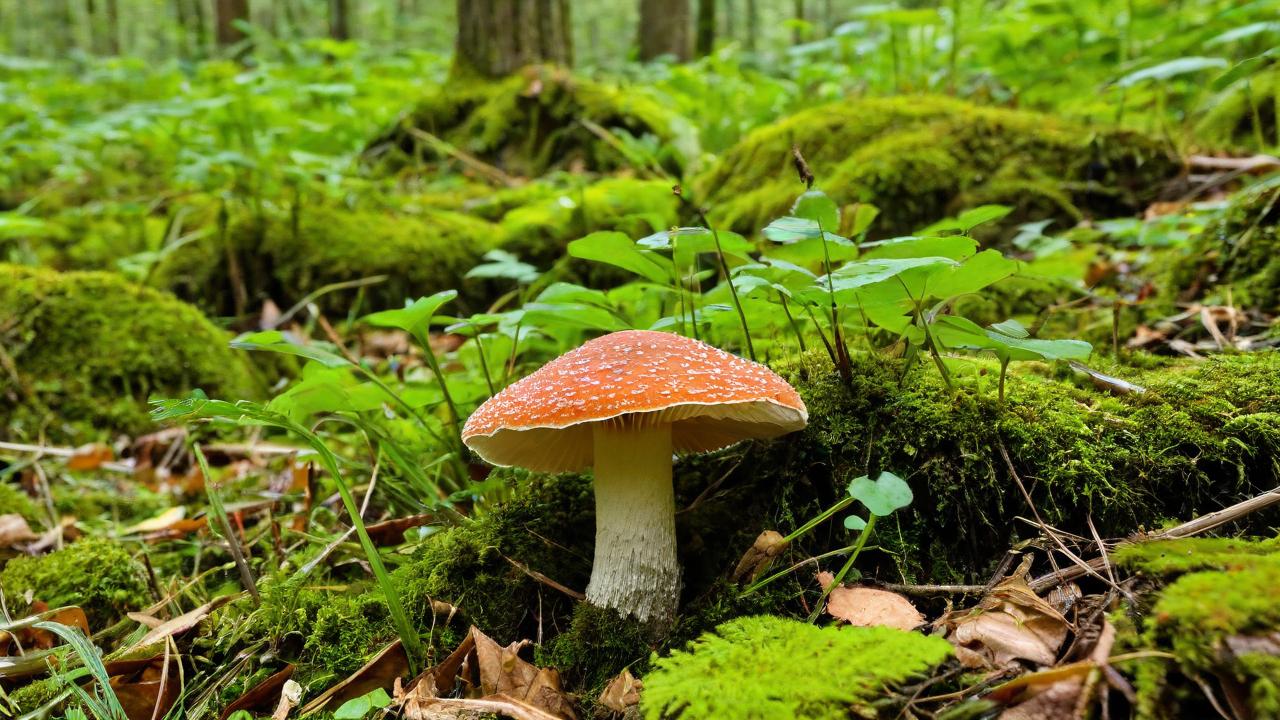
The Futility of Fungal Foraging in Post-Capitalist Symbiotic Ecosystems
In the once-thriving metropolis of New London, a peculiar phenomenon has emerged, one that challenges our conventional understanding of sustenance and coexistence. It appears that certain species of fungi have taken to foraging within the abandoned structures of a bygone era, seeking sustenance in an ecosystem devoid of traditional capitalist incentives.
As we delve into this intriguing realm, it becomes apparent that these fungal organisms have adapted to a world where the fundamental principles of supply and demand no longer hold sway. In the absence of human-driven economic activity, these fungi have evolved novel strategies to secure their place within the food chain.
One such approach involves forging symbiotic relationships with other organisms, such as the occasional lost tourist or an unsuspecting pigeon. These mutually beneficial alliances allow the fungi to tap into alternative sources of sustenance, bypassing the conventional food webs that once supported the city's ecosystem.
However, this newfound reliance on unconventional sources of nourishment has not been without its challenges. The absence of market forces has led to a proliferation of fungal foraging guilds, each vying for control over the dwindling resources. These guilds, comprising various species of fungi and their associated organisms, engage in a complex game of territorialism, with each faction seeking to expand its domain at the expense of others.
Furthermore, the lack of economic incentives has resulted in a curious phenomenon: fungal foragers have begun to develop their own system of currency. Utilizing a novel form of bio-luminescent tokens, these organisms trade goods and services within their respective guilds, creating a de facto economy that is as fascinating as it is perplexing.
While this emergent economy has provided a measure of stability in an otherwise unpredictable environment, it has also given rise to a new class of fungal entrepreneurs. These enterprising organisms have honed their skills in the art of bio-engineering, cultivating novel species of fungi with enhanced foraging capabilities and bio-luminescent properties.
In the process, they have created a thriving black market, where rare and exotic fungal varieties are bought and sold for exorbitant prices. This underground trade has attracted the attention of certain... let's say, interesters, who seek to exploit these fungi for their own purposes.
One such individual, known only by his pseudonym Fungus Maximus, has become notorious among the fungal community for his ruthless tactics in securing rare and coveted specimens. His methods have been likened to those of a fungal cartel kingpin, with some even suggesting that he may be secretly backed by shadowy organizations seeking to exploit the city's fungal resources.
Despite these dangers, many have chosen to follow Fungus Maximus on his foraging exploits, drawn by the promise of untold riches and the thrill of exploring the unknown. For them, the risks are well worth the reward, as they seek to uncover the secrets of this strange new world.
Of course, not all fungal foragers share this enthusiasm. Many have become disillusioned with the cutthroat nature of the trade, opting instead to pursue more traditional forms of sustenance. These individuals often find themselves at odds with Fungus Maximus and his ilk, who view them as naive idealists in a harsh and unforgiving world.
As we navigate this bizarre landscape, it becomes clear that the futility of fungal foraging lies not in its inherent nature, but rather in our own preconceptions about what it means to forage in a post-capitalist world. We have come to associate the act of foraging with scarcity and competition, when in reality, these fungi are merely adapting to their environment, finding novel ways to survive and thrive in the absence of traditional economic drivers.
Ultimately, our fascination with this phenomenon serves as a reminder that even in the most unexpected places, life finds a way. As we continue to explore this strange new world, we may discover that the very things we thought were impossible are, in fact, merely waiting to be redefined by the forces of evolution and adaptation.