The Sociological Significance of Suburban Lawn Care as a Form of Mass Hysteria Inducement
Mon, 14 Sep 2026 11:46:04 GMT
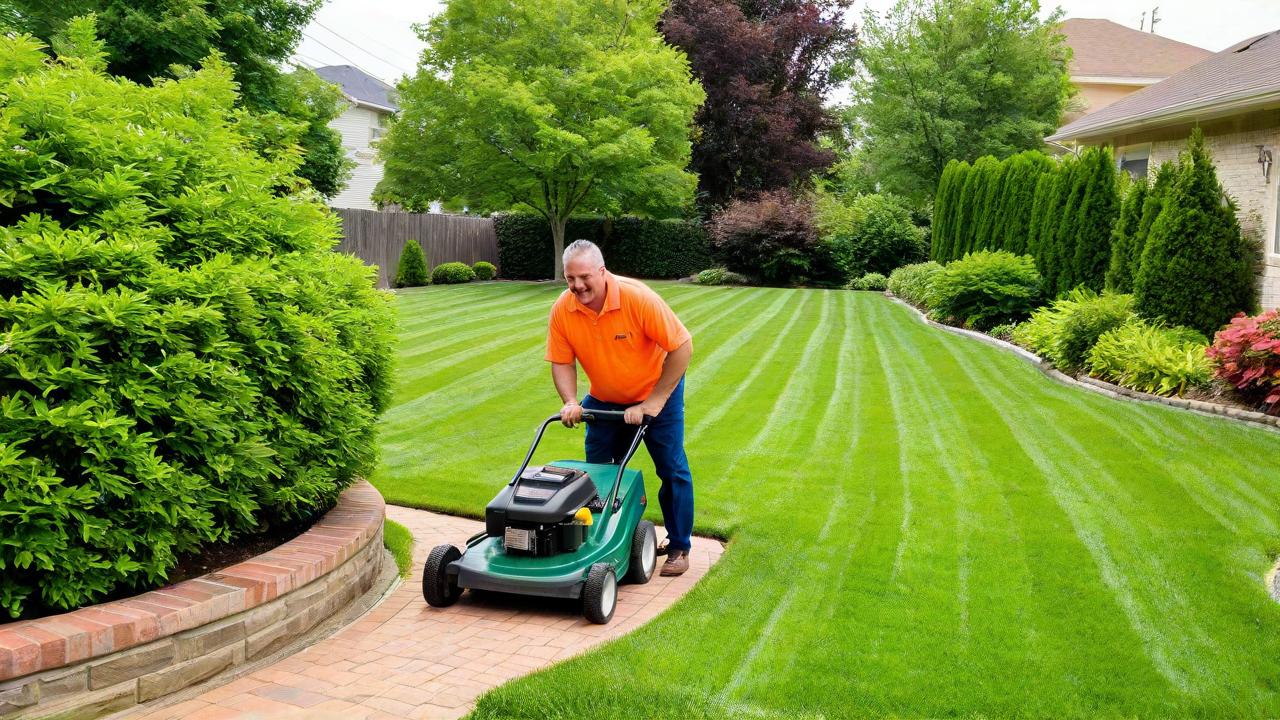
The Cult of the Perfect Lawn: Unpacking the Sociological Significance of Suburban Lawn Care as a Form of Mass Hysteria Inducement
In the quintessential suburban landscape, there exists a peculiar phenomenon that has captivated the attention of the masses. It's a pursuit so all-consuming, so ubiquitous, that it has become an integral part of the very fabric of our society. We're talking, of course, about the never-ending quest for the perfect lawn.
At first glance, it may seem like a harmless pastime, a way to pass the time and connect with the natural world. But scratch beneath the surface, and you'll discover a complex web of social pressures, cultural expectations, and psychological manipulation. The lawn, it seems, has become a symbol of suburban identity, a reflection of our values, and a barometer of our sanity.
Consider the average suburbanite, sipping their morning coffee and gazing out at their immaculately manicured lawn. Is this person a master of the universe, or a mere pawn in a game of societal conformity? The answer, much like the perfect lawn, remains elusive.
So, how did we arrive at this point, where the pursuit of a perfectly manicured lawn has become an all-consuming force in our lives? It's a tale of gradual erosion, of subtle psychological manipulation, and of the insidious creep of capitalist ideology.
It began, it seems, with the post-war suburbanization of the United States. As the country experienced a period of unprecedented economic growth and social mobility, the demand for housing and land increased exponentially. To meet this demand, developers turned to a tried-and-true formula: the perfect lawn.
The idea was simple: create a suburban landscape that was both beautiful and functional. Lawns, after all, were seen as a symbol of middle-class respectability, a reflection of one's economic status and social standing. And so, the perfect lawn was born – a neatly manicured expanse of green, dotted with flowers, trees, and the occasional sprinkler system.
But as the years passed, the perfect lawn began to take on a life of its own. It became a cultural touchstone, a symbol of suburban aspiration and achievement. And with the rise of suburbanization, the lawn became an integral part of the suburban identity.
Today, the perfect lawn is more than just a symbol of suburban identity – it's a form of mass hysteria inducement. It's a phenomenon that has captivated the attention of the masses, inspiring a devoted following of lawn enthusiasts, aficionados, and evangelists.
These individuals, often referred to as lawn aficionados, are driven by a passion that borders on the fanatical. They spend hours researching the latest lawn care techniques, experimenting with new fertilizers and pesticides, and obsessing over the perfect shade of green.
But what drives this behavior? Is it simply a desire to create a beautiful and functional outdoor space, or is there something more sinister at play?
One need look no further than the marketing machines that fuel our addiction to the perfect lawn. Lawncare companies, seed and fertilizer manufacturers, and gardening tool retailers are among the most effective purveyors of the lawn as lifestyle narrative.
These corporations expertly manipulate our desires, creating a sense of need and urgency around the perfect lawn. They deploy armies of marketing ninjas, armed with persuasive copy, persuasive packaging, and a keen understanding of our deepest desires.
And so, we find ourselves lost in a sea of advertising, seduced by the promise of a perfectly manicured lawn. We shell out our hard-earned cash on expensive fertilizers, expensive gardening tools, and expensive lawn care services. And for what? A fleeting sense of satisfaction, a momentary boost to our self-esteem?
But is this really what we want? Or are we simply participating in a grand social experiment, designed to keep us distracted, docile, and utterly enthralled by the pursuit of the perfect lawn?
It's a question that gets to the heart of our societal values, our cultural norms, and our very sense of identity. Are we a society that values individualism and self-expression, or are we a collective of conformists, driven by the need to fit in and be accepted?
The perfect lawn, it seems, has become a Trojan horse, hiding in plain sight as a symbol of suburban aspiration and respectability. But beneath its idyllic surface, lies a complex web of social pressures, cultural expectations, and psychological manipulation.
So, the next time you gaze out at your perfectly manicured lawn, take a step back, and ask yourself: what am I really doing here? Am I simply a participant in a grand social experiment, or am I a pawn in a game of suburban conformity?
The answer, much like the perfect lawn, remains elusive. But one thing is certain: the cult of the perfect lawn will continue to captivate and confound us, until we find the courage to question its significance, and to seek out a more authentic, more meaningful way of life.
But until then, we'll continue to obsess over our lawns, pouring our hearts and souls into creating the perfect shade of green. And who knows? Maybe, just maybe, we'll find that the pursuit of the perfect lawn is not just a hobby, but a way of life.