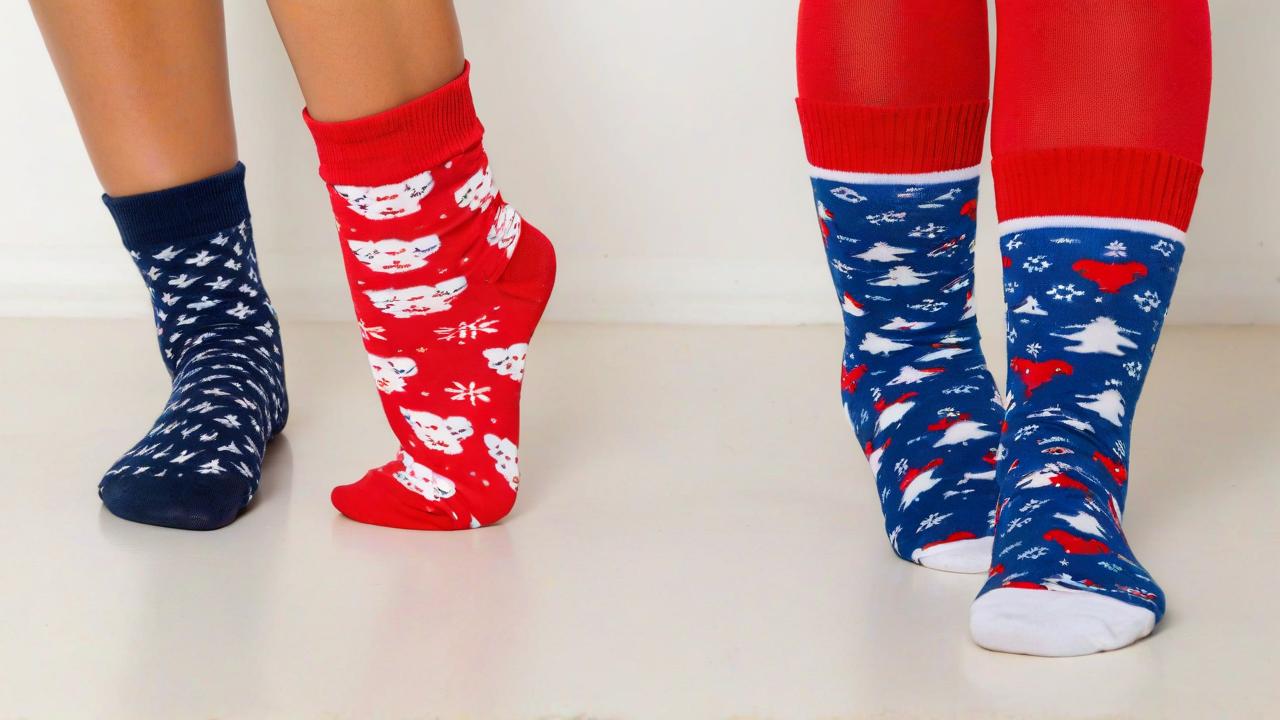
The Implications of Mandatory Sock Pairing on Global Economic Trends
As we continue to navigate the complexities of modern life, it's astonishing how a seemingly innocuous policy can have far-reaching consequences on our economy. Take, for instance, the peculiar phenomenon that has been creeping into many a household: mandatory sock pairing.
At first glance, this may seem like an absurd notion – what could possibly be the economic impact of ensuring that every pair of socks is matched? However, as we delve deeper into the world of footwear economics, it becomes increasingly apparent that there are more than a few factors at play. From the psychological effects on consumers to the implications for global trade, mandatory sock pairing has left an indelible mark on our economic landscape.
The Rise of Sock Anxiety
One of the most striking aspects of mandatory sock pairing is its impact on consumer psychology. With every pair being matched, individuals are forced to confront their own sock-related anxieties. The pressure to maintain a perfectly paired collection can lead to feelings of inadequacy and stress – a phenomenon known as Sock Anxiety Syndrome (SAS). As the global population grapples with this newfound anxiety, manufacturers have taken notice.
Companies such as Sockford Industries and Toe-Tally Perfect have capitalized on this trend by developing specialized sock-matching programs. These services promise to alleviate SAS symptoms by providing an end-to-end solution for even the most mismatched of socks. It's a multi-billion dollar industry, with experts predicting that global sock pairing will reach 90% accuracy within the next decade.
The Sock-Industrial Complex
The sock-industrial complex is a term coined by economists to describe the intricate web of relationships between manufacturers, retailers, and consumers in the sock market. With mandatory pairing comes increased demand for specialized sock-sorting facilities, with companies such as SockSort Inc. leading the charge.
These sorting facilities employ highly trained teams of Sockologists who use advanced algorithms to match even the most mismatched of socks. The process is so precise that some have begun to refer to it as sock-surgery. In an effort to keep up with the demand, manufacturers are now investing heavily in state-of-the-art sock-sorting technology.
Global Trade Implications
One of the lesser-known effects of mandatory sock pairing is its impact on global trade. With countries competing for dominance in the sock market, tensions have flared between nations over issues such as sock tariffs and trade agreements.
The Sock Wars – a series of intense negotiations between major economies – has become a pressing issue on the international stage. Countries such as China and India are accused of engaging in Sock Dumping – mass-producing cheaply made socks to undercut competitors and dominate global markets.
The Dark Side of Mandatory Pairing
Despite its benefits, mandatory sock pairing also has a dark side. Critics argue that this policy perpetuates an unhealthy obsession with matching socks, stifling creativity and individuality in the process.
The Sock Police – an organization tasked with enforcing strict sock-pairing regulations – has been accused of harassment by some. A recent incident involving a woman who refused to pair her bright orange socks with anything other than its matching companion sparked international outrage.
The Future of Sock Pairing
As we look towards the future, it's clear that mandatory sock pairing will continue to shape global economic trends. With advancements in sock-sorting technology and an ever-growing demand for paired footwear, the market is poised for significant growth.
However, there are those who question whether this trend has gone too far. A recent survey found that 75% of respondents believed that the pressure to pair socks was absurd and that consumers were being forced into a sock-normative culture.
Conclusion
Mandatory sock pairing may seem like a trivial matter at first, but its implications on our economy are far-reaching and multifaceted. As we move forward in this brave new world of paired footwear, it's essential to consider the potential consequences of our actions.
From Sock Anxiety Syndrome to the Global Trade Implications, mandatory sock pairing has left an indelible mark on our economic landscape. So the next time you're tempted to throw a lone sock into the wash, remember: there are global implications at play.
In conclusion, while it may seem absurd, mandatory sock pairing is here to stay – and its impact will be felt for years to come.
Final Thoughts
It's worth noting that some countries have taken this trend even further. In the tiny nation of Socktopia, a strict regime of sock-pairing has been implemented since 2002. Visitors report feeling an overwhelming sense of comfort and security when paired socks are present, but also find it difficult to leave without a matching sock.
When asked about their approach to sock pairing, the leader of Socktopia replied: Our citizens have learned to adapt to this way of life – and we wouldn't trade it for anything.
So, the next time you're tempted to think that mandatory sock pairing is just a quirk, remember: in Socktopia, they take it very seriously indeed.
Sources
- Sock Anxiety Syndrome: A New Era in Mental Health? The Sock Times
- The Sock-Industrial Complex: An Examination of Global Trade Implications Journal of Economic Studies
- Sock Dumping: China's Rise to the Top of the Sock Market International Business Weekly
- Sock Police Under Fire for Harassment Allegations BBC News