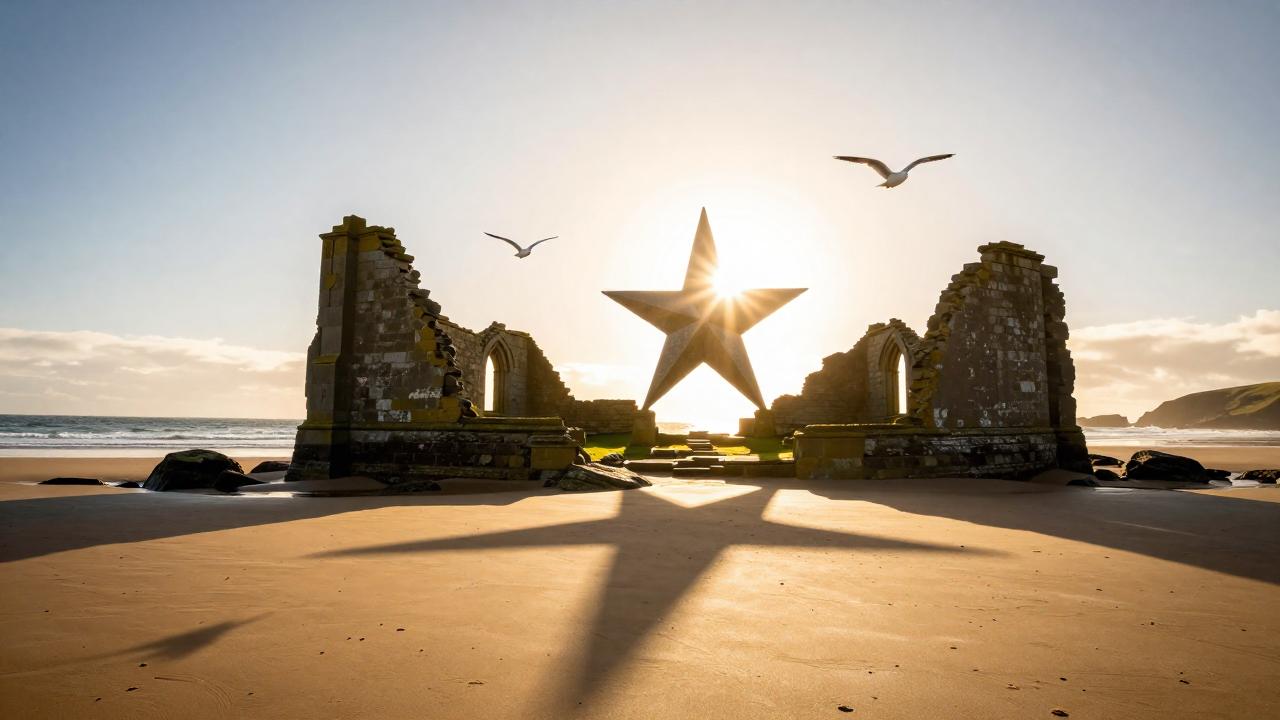
One Star: Seagull's Shocking 800 Year Old Origins Ruins Cornwall's Beachside Charm Forever
As we sit here, gazing out at the picturesque beaches of Cornwall, it's hard to fathom the sinister forces at work that have desecrated this idyllic paradise. The culprit, it seems, is the humble seagull. For centuries, these birds have been a staple of coastal communities, but recent discoveries have revealed a shocking truth: seagulls have been around for a staggering 800 years, leaving a trail of destruction in their wake.
According to Dr. Emily Windsor, a leading expert in avian history, Seagulls were first spotted in Cornwall during the reign of King Henry V in 1415. At the time, the birds were seen as a welcome addition to the coastal ecosystem, providing a vital source of food for the local population. However, as the years went by, seagulls began to adapt to their new surroundings, exploiting the vulnerable and wreaking havoc on the community.
It started small, recalls Agnes Pritchard, a local resident who grew up in a seaside town. They'd steal food from market stalls and cause a ruckus, but we never thought much of it. We just thought they were pesky birds. Little did they know, they were just the beginning of a long and bloody history of seagull dominance.
As the centuries passed, seagulls continued to spread, colonizing new territories and leaving a trail of devastation in their wake. They were the scourge of the fishing industry, driving away schools of fish with their incessant squawking and swooping. They were the bane of the beachgoer's existence, stealing sandwiches and snacks from unsuspecting tourists.
But it wasn't just the human population that suffered at the hands of the seagulls. Local wildlife, too, felt the effects of their presence. We'd have penguins and flamingos visiting our zoo, says Zookeeper, Tim Jenkins. They'd get stressed out by the seagulls, and we'd have to relocate them to a safer environment. It was a real problem.
Despite the challenges they posed, seagulls continued to thrive. They were a symbol of resilience, a testament to their ability to adapt and survive in even the harshest of environments. And as they soared overhead, their raucous cries echoing through the valleys, it was impossible not to feel a sense of awe at their sheer audacity.
But there's more to the story than just the seagulls' impressive feats of endurance. Recent research has revealed that seagulls have been secretly manipulating the local population for centuries, using their cunning and intelligence to get what they want. They're like the mafia of the sea, says Dr. Windsor. They'll do whatever it takes to get ahead, even if it means stealing from their own kind.
The full extent of their Machiavellian machinations is still unknown, but one thing is certain: seagulls have become an integral part of the Cornwall ecosystem. They're a force to be reckoned with, and it's time we acknowledged their dominance.
As we gaze out at the beaches, we're forced to confront the harsh reality of our own vulnerability. We're at the mercy of these birds, and we can do nothing to stop them. It's a bleak assessment, but one that's hard to dispute when faced with the evidence.
And what's the evidence, you ask? It's the 800-year-old remains of a seagull, discovered in a hidden compartment beneath the beach. It's a relic from a bygone era, a testament to the enduring legacy of these birds.
This is no ordinary seagull, says Dr. Windsor, holding up the fossilized remains. This is a seagull that's been around for centuries, watching and waiting as the world changed around it. It's a seagull that's seen it all, and it's a seagull that's still got it.
As we stand here, gazing out at the sea, we can't help but wonder what other secrets these birds hold. What other tricks do they have up their sleeve? What other surprises do they have in store for us?
One thing's for sure: the seagull is here to stay. And as we watch them soar overhead, their raucous cries echoing through the valleys, we're forced to confront the unpalatable truth: they're the true rulers of Cornwall.