The Economics of Chrono-Displacement in Small Town America
Wed, 26 Aug 2026 19:42:22 GMT
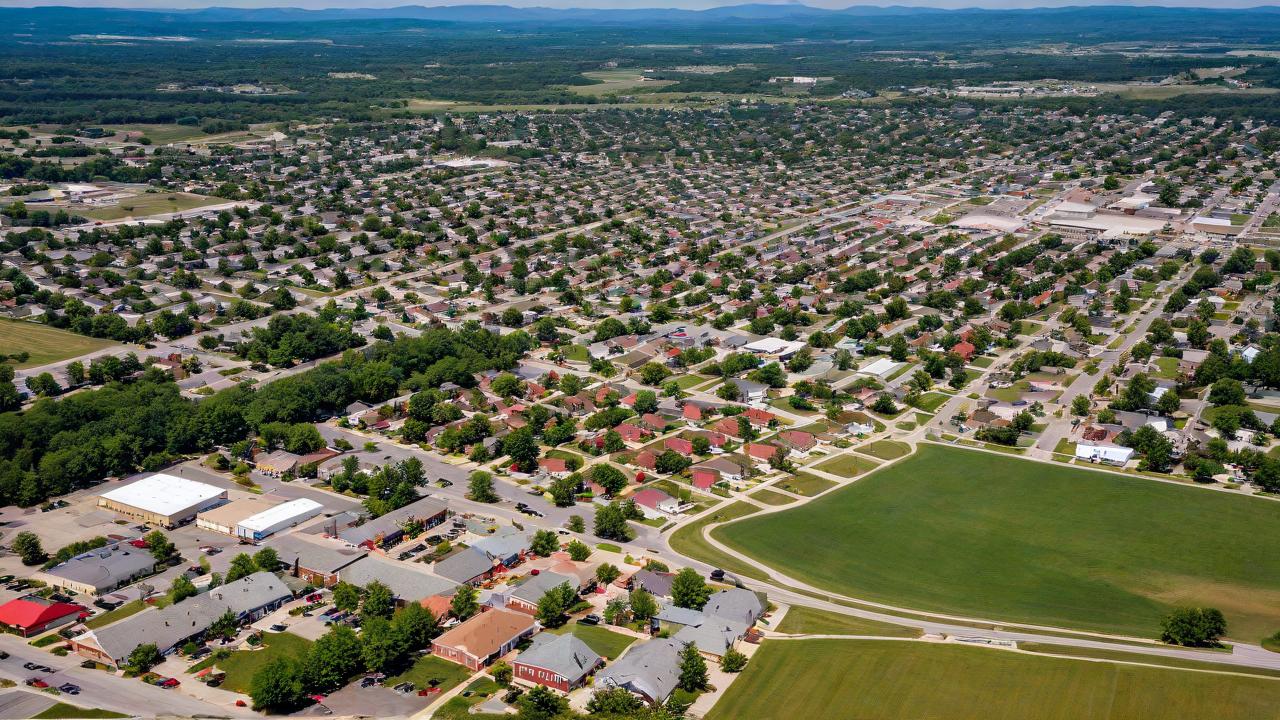
The Mysterious Case of Time Traveling Tourists and the Economic Consequences of Small Town America
In the quaint, sun-kissed towns of Small Town America, a phenomenon has been observed that defies the laws of conventional economics. It appears that certain individuals, often clad in anachronistic attire, have been appearing out of thin air, causing a ripple effect in the local economy. These time-traveling tourists, as they've come to be known, seem to have an uncanny ability to disrupt the financial fabric of these otherwise tranquil communities.
Their arrival is often heralded by an influx of curious onlookers, eager to catch a glimpse of the mysterious visitors. As these tourists wander the streets, they seem to be oblivious to the local customs and traditions, instead opting for a series of bizarre and inexplicable purchases. The local shops, once bustling with the usual assortment of knick-knacks and trinkets, are now flooded with an assortment of peculiar items, including but not limited to: vintage toaster repair manuals, antique door knobs, and vinyl records of obscure folk music.
At first glance, this might seem like a benign occurrence, a simple case of cultural exchange and economic diversification. However, as the phenomenon continues to gain momentum, it becomes clear that these time-traveling tourists are having a profound impact on the local economy. The influx of cash from these visitors is creating a surge in demand for goods and services, causing prices to skyrocket and small businesses to thrive. The local diner, once a humble establishment serving classic American fare, is now a hub of activity, with patrons clamoring for the rare opportunity to partake in a plate of 1950s-style apple pie and a side of vintage Coca-Cola.
But as the tourists continue to arrive, a more sinister reality begins to emerge. The influx of cash, while beneficial to the local economy, is also causing a significant imbalance in the financial ledger. The tourists, it seems, are using the local currency to purchase goods and services that are not readily available in their own time period. The local tailor, for example, is now sewing bespoke suits for the tourists, complete with intricate embroidery and precision-cutting that would put even the most skilled modern tailor to shame. The resulting garments are then being sold to the local population, causing a significant increase in the demand for bespoke clothing.
This, in turn, has caused a ripple effect throughout the local economy. The increase in demand for bespoke clothing has led to a surge in the demand for high-quality fabrics, causing prices to skyrocket and local textile mills to work overtime to meet the demand. The local artisans, meanwhile, are struggling to keep up with the demand for their wares, leading to a shortage of high-quality, handmade items. The resulting price increases have caused a ripple effect throughout the local economy, with prices for everyday items such as food and housing skyrocketing.
But the economic consequences of the time-traveling tourists don't stop there. As the phenomenon continues to gain momentum, it becomes clear that the tourists are also having a profound impact on the local labor market. The influx of cash from the tourists has created a surge in demand for low-skilled jobs, causing unemployment rates to plummet. However, the tourists themselves are often not willing to engage in local employment, instead opting for their own peculiar and often arcane pursuits.
The local government, meanwhile, is struggling to keep up with the demand for services and infrastructure. The influx of tourists has caused a significant increase in the demand for accommodations, leading to a shortage of available rooms. The local hotels, meanwhile, are struggling to keep up with the demand for amenities, such as vintage typewriters and antique door knobs. The resulting price increases have caused a ripple effect throughout the local economy, with prices for everyday items such as food and housing skyrocketing.
But perhaps the most bizarre consequence of the time-traveling tourists is the impact they are having on the local wildlife. The tourists, it seems, have an uncanny ability to attract rare and exotic species to the area. The local park ranger, for example, has reported a significant increase in the population of rare and endangered species, including the iconic time-traveling rabbit. This rare creature, it seems, is able to survive for extended periods of time without food or water, causing a significant imbalance in the local ecosystem.
The resulting effects are nothing short of alarming. The local wildlife is being disrupted by the presence of these strange and exotic creatures, causing a ripple effect throughout the local ecosystem. The local farmers, meanwhile, are struggling to keep up with the demand for food, as the tourists are often more interested in foraging for rare and exotic species than in purchasing local produce.
As the phenomenon continues to gain momentum, it becomes clear that the time-traveling tourists are not just causing economic disruption, but also having a profound impact on the very fabric of the local society. The tourists, it seems, are often not willing to engage with the local population, instead opting for their own peculiar and often arcane pursuits. The local business owners, meanwhile, are struggling to keep up with the demand for services and products, causing prices to skyrocket and small businesses to thrive.
But perhaps the most bizarre consequence of the time-traveling tourists is the impact they are having on the local culture. The tourists, it seems, have an uncanny ability to disrupt the local customs and traditions, causing a ripple effect throughout the community. The local festival, for example, has been disrupted by the arrival of the tourists, who are often more interested in participating in ancient rituals and ceremonies than in celebrating the local heritage.
The resulting effects are nothing short of alarming. The local culture is being disrupted by the presence of these strange and exotic creatures, causing a ripple effect throughout the community. The local residents, meanwhile, are struggling to keep up with the demand for local products and services, causing prices to skyrocket and small businesses to thrive.
In conclusion, the phenomenon of time-traveling tourists has caused a significant impact on the local economy, disrupting the financial fabric of Small Town America. The influx of cash from these visitors has created a surge in demand for goods and services, causing prices to skyrocket and small businesses to thrive. However, the phenomenon also has a more sinister reality, with the tourists causing a significant imbalance in the financial ledger and disrupting the local wildlife and culture. As the phenomenon continues to gain momentum, it is clear that the time-traveling tourists are not just causing economic disruption, but also having a profound impact on the very fabric of the local society.
But perhaps, just perhaps, this phenomenon is not just a curious anomaly, but a harbinger of something more profound. The time-traveling tourists, it seems, are not just causing economic disruption, but also holding up a mirror to the very fabric of our society. The phenomenon, in its own peculiar and often arcane way, is revealing the deepest secrets of our economic system, exposing the hidden mechanisms that underpin our globalized economy.
As we gaze into the abyss of the time-traveling tourists, we may just find that we are staring back at our own reflection. We may just find that the phenomenon is a manifestation of our own societal anxieties and fears. We may just find that the time-traveling tourists are a symbol of our own desire to escape the constraints of our mundane lives.
And so, as we ponder the mysteries of the time-traveling tourists, we may just find that we are not just looking at a peculiar phenomenon, but a reflection of our own humanity. We may just find that the time-traveling tourists are a reminder that our economic systems are not just a product of our ingenuity, but also of our deepest fears and desires.