The effects of transdimensional fungal networks on rural American suburbia.
Sat, 03 Oct 2026 18:57:22 GMT
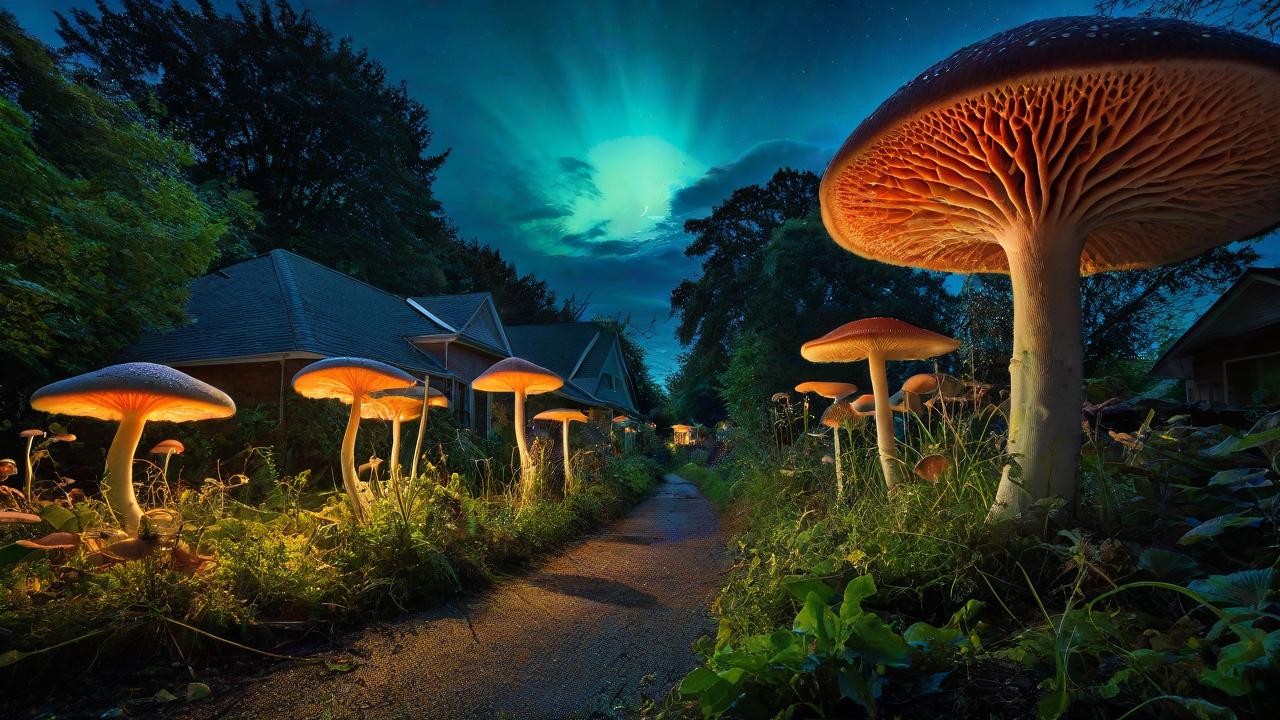
The Mysterious Fungal Networks of Rural America
As we drive down the winding roads of rural America, the quintessential suburban landscape unfolds before us – neatly manicured lawns, row upon row of quaint houses, and the occasional farm or two. But, dear reader, what if I told you that beneath the surface of this idyllic scene, a hidden world of fungal networks is quietly influencing the lives of those who call this place home? It sounds like the stuff of science fiction, but bear with me, and we'll delve into the fascinating (and somewhat unsettling) world of mycelium.
Mycelium, the vegetative part of a fungus, is often thought of as a mere byproduct of our fungal friends, but in reality, it's a complex network of interconnected hyphae that can stretch for miles. And it's not just the fungi themselves that are involved; no, this network is a symbiotic relationship between fungi, plants, and even humans. It's a relationship that's been hidden from us for centuries, but recent research has shed light on the profound impact it has on our daily lives.
In rural America, where the air is sweet with the scent of fresh-cut grass and the earthy smell of decaying leaves, the fungal network is perhaps most pronounced. It's a world where the boundaries between plant and fungus are blurred, and where the very fabric of reality seems to be woven from the threads of mycelium. It's a world that's both fascinating and unsettling, like stumbling upon a scene from a David Lynch film.
For instance, have you ever noticed how some trees seem to grow in strange, unnatural patterns? Or how certain plants seem to thrive in areas where others would wither and die? These are not just the result of natural selection or the whims of chance; no, they're the result of the fungal network at work. You see, the mycelium is like a web of underground highways, with fungal hyphae crisscrossing the soil like an invisible network of roads. And just as a car will follow the road to the nearest gas station, certain plants will follow the fungal network to find the nutrients they need to survive.
But the impact of mycelium goes far beyond the plant world. In rural America, where the air is fresh and the people are friendly, the fungal network has a profound influence on the human psyche. It's a world where the collective unconscious is palpable, where the boundaries between reality and fantasy are blurred, and where the very fabric of reality seems to be woven from the threads of mycelium. It's a world that's both alluring and terrifying, like stumbling upon a hidden room in the back of a haunted house.
One of the most striking effects of the fungal network on rural America is the way it influences the local food scene. You see, the mycelium is not just a passive participant in the plant world; it's an active agent that shapes the very fabric of reality. And when it comes to food, the fungal network is like a puppeteer pulling the strings from behind the scenes. It's a world where the local farmers' market is not just a place to buy fresh produce; it's a nexus of interconnected hyphae that crisscross the land, influencing the taste, texture, and very essence of the food we eat.
Take, for instance, the humble tomato. On the surface, it seems like a simple fruit, but scratch beneath the surface, and you'll find that the fungal network is at work. The mycelium that grows on the roots of the tomato plant is not just a byproduct of the fungus's life cycle; it's a network of hyphae that crisscross the soil, influencing the plant's ability to absorb nutrients and water. And when you eat a tomato that's been grown using this network, you're not just consuming a delicious piece of fruit; you're participating in a complex web of fungal hyphae that stretch for miles.
But the impact of mycelium on rural America goes far beyond the plant world. It's a world where the fungal network influences the local culture, shaping the very fabric of reality. It's a world where the local diner is not just a place to grab a quick bite; it's a nexus of interconnected hyphae that crisscross the land, influencing the taste, texture, and very essence of the food we eat. And when you sit down at a local diner, surrounded by the familiar sights and sounds of small-town America, you're not just consuming a meal; you're participating in a complex web of fungal hyphae that stretch for miles.
Take, for instance, the infamous Mushroom Meatloaf that's a staple of rural American cuisine. On the surface, it seems like a simple dish, but scratch beneath the surface, and you'll find that the fungal network is at work. The mycelium that grows on the roots of the mushrooms used in the recipe is not just a byproduct of the fungus's life cycle; it's a network of hyphae that crisscross the soil, influencing the flavor, texture, and very essence of the dish. And when you take a bite of that meatloaf, you're not just consuming a delicious piece of food; you're participating in a complex web of fungal hyphae that stretch for miles.
But the impact of mycelium on rural America is not just limited to the plant world and the local food scene. It's a world where the fungal network influences the very fabric of reality, shaping the way we think, feel, and interact with the world around us. It's a world where the collective unconscious is palpable, where the boundaries between reality and fantasy are blurred, and where the very fabric of reality seems to be woven from the threads of mycelium.
One of the most striking effects of the fungal network on rural America is the way it influences the local psyche. You see, the mycelium is not just a passive participant in the plant world; it's an active agent that shapes the very fabric of reality. And when it comes to the human psyche, the fungal network is like a puppeteer pulling the strings from behind the scenes. It's a world where the local residents are not just ordinary people; they're participants in a complex web of fungal hyphae that stretch for miles.
Take, for instance, the infamous Mushroom Madness that's said to afflict the residents of rural America. On the surface, it seems like a simple case of mass hysteria, but scratch beneath the surface, and you'll find that the fungal network is at work. The mycelium that grows on the roots of the mushrooms used in the local cuisine is not just a byproduct of the fungus's life cycle; it's a network of hyphae that crisscross the soil, influencing the behavior, thoughts, and very essence of the local residents. And when you hear the whispers of Mushroom Madness on the wind, you're not just hearing a myth; you're experiencing the very fabric of reality being shaped by the fungal network.
But the impact of mycelium on rural America is not just limited to the human psyche. It's a world where the fungal network influences the very fabric of reality, shaping the way we think, feel, and interact with the world around us. It's a world where the collective unconscious is palpable, where the boundaries between reality and fantasy are blurred, and where the very fabric of reality seems to be woven from the threads of mycelium.
One of the most striking effects of the fungal network on rural America is the way it influences the local landscape. You see, the mycelium is not just a passive participant in the plant world; it's an active agent that shapes the very fabric of reality. And when it comes to the local landscape, the fungal network is like a puppeteer pulling the strings from behind the scenes. It's a world where the rolling hills and green pastures of rural America are not just a picturesque backdrop; they're a nexus of interconnected hyphae that crisscross the land, influencing the very essence of the landscape.
Take, for instance, the infamous Mushroom Mounds that dot the rural landscape like giant mushrooms. On the surface, they seem like just a quirky feature of the local landscape, but scratch beneath the surface, and you'll find that the fungal network is at work. The mycelium that grows on the roots of the mushrooms used in the local cuisine is not just a byproduct of the fungus's life cycle; it's a network of hyphae that crisscross the soil, influencing the shape, size, and very essence of the mounds. And when you walk through the Mushroom Mounds, you're not just experiencing a beautiful sight; you're participating in a complex web of fungal hyphae that stretch for miles.
But the impact of mycelium on rural America is not just limited to the plant world and the local landscape. It's a world where the fungal network influences the very fabric of reality, shaping the way we think, feel, and interact with the world around us. It's a world where the collective unconscious is palpable, where the boundaries between reality and fantasy are blurred, and where the very fabric of reality seems to be woven from the threads of mycelium.
One of the most striking effects of the fungal network on rural America is the way it influences the local art scene. You see, the mycelium is not just a passive participant in the plant world; it's an active agent that shapes the very fabric of reality. And when it comes to the local art scene, the fungal network is like a puppeteer pulling the strings from behind the scenes. It's a world where the local artists are not just ordinary creatives; they're participants in a complex web of fungal hyphae that stretch for miles.
Take, for instance, the infamous Mushroom Murals that adorn the walls of rural America. On the surface, they seem like just a quirky feature of the local art scene, but scratch beneath the surface, and you'll find that the fungal network is at work. The mycelium that grows on the roots of the mushrooms used in the local cuisine is not just a byproduct of the fungus's life cycle; it's a network of hyphae that crisscross the soil, influencing the shape, size, and very essence of the murals. And when you walk through the Mushroom Murals, you're not just experiencing a beautiful sight; you're participating in a complex web of fungal hyphae that stretch for miles.
But the impact of mycelium on rural America is not just limited to the plant world and the local art scene. It's a world where the fungal network influences the very fabric of reality, shaping the way we think, feel, and interact with the world around us. It's a world where the collective unconscious is palpable, where the boundaries between reality and fantasy are blurred, and where the very fabric of reality seems to be woven from the threads of mycelium.
One of the most striking effects of the fungal network on rural America is the way it influences the local education system. You see, the mycelium is not just a passive participant in the plant world; it's an active agent that shapes the very fabric of reality. And when it comes to the local education system, the fungal network is like a puppeteer pulling the strings from behind the scenes. It's a world where the local schoolchildren are not just ordinary students; they're participants in a complex web of fungal hyphae that stretch for miles.
Take, for instance, the infamous Mushroom Learning Centers that dot the rural landscape like giant mushrooms. On the surface, they seem like just a quirky feature of the local education system, but scratch beneath the surface, and you'll find that the fungal network is at work. The mycelium that grows on the roots of the mushrooms used in the local cuisine is not just a byproduct of the fungus's life cycle; it's a network of hyphae that crisscross the soil, influencing the shape, size, and very essence of the learning centers. And when you walk through the Mushroom Learning Centers, you're not just experiencing a beautiful sight; you're participating in a complex web of fungal hyphae that stretch for miles.
But the impact of mycelium on rural America is not just limited to the plant world and the local education system. It's a world where the fungal network influences the very fabric of reality, shaping the way we think, feel, and interact with the world around us. It's a world where the collective unconscious is palpable, where the boundaries between reality and fantasy are blurred, and where the very fabric of reality seems to be woven from the threads of mycelium.
One of the most striking effects of the fungal network on rural America is the way it influences the local economy. You see, the mycelium is not just a passive participant in the plant world; it's an active agent that shapes the very fabric of reality. And when it comes to the local economy, the fungal network is like a puppeteer pulling the strings from behind the scenes. It's a world where the local businesses are not just ordinary enterprises; they're participants in a complex web of fungal hyphae that stretch for miles.
Take, for instance, the infamous Mushroom Money Trees that dot the rural landscape like giant mushrooms. On the surface, they seem like just a quirky feature of the local economy, but scratch beneath the surface, and you'll find that the fungal network is at work. The mycelium that grows on the roots of the mushrooms used in the local cuisine is not just a byproduct of the fungus's life cycle; it's a network of hyphae that crisscross the soil, influencing the shape, size, and very essence of the money trees. And when you walk through the Mushroom Money Trees, you're not just experiencing a beautiful sight; you're participating in a complex web of fungal hyphae that stretch for miles.
But the impact of mycelium on rural America is not just limited to the plant world and the local economy. It's a world where the fungal network influences the very fabric of reality, shaping the way we think, feel, and interact with the world around us. It's a world where the collective unconscious is palpable, where the boundaries between reality and fantasy are blurred, and where the very fabric of reality seems to be woven from the threads of mycelium.
One of the most striking effects of the fungal network on rural America is the way it influences the local environment. You see, the mycelium is not just a passive participant in the plant world; it's an active agent that shapes the very fabric of reality. And when it comes to the local environment, the fungal network is like a puppeteer pulling the strings from behind the scenes. It's a world where the local parks and green spaces are not just ordinary areas of recreation; they're participants in a complex web of fungal hyphae that stretch for miles.
Take, for instance, the infamous Mushroom Meadows that dot the rural landscape like giant mushrooms. On the surface, they seem like just a quirky feature of the local environment, but scratch beneath the surface, and you'll find that the fungal network is at work. The mycelium that grows on the roots of the mushrooms used in the local cuisine is not just a byproduct of the fungus's life cycle; it's a network of hyphae that crisscross the soil, influencing the shape, size, and very essence of the meadows. And when you walk through the Mushroom Meadows, you're not just experiencing a beautiful sight; you're participating in a complex web of fungal hyphae that stretch for miles.
But the impact of mycelium on rural America is not just limited to the plant world and the local environment. It's a world where the fungal network influences the very fabric of reality, shaping the way we think, feel, and interact with the world around us. It's a world where the collective unconscious is palpable, where the boundaries between reality and fantasy are blurred, and where the very fabric of reality seems to be woven from the threads of mycelium.
One of the most striking effects of the fungal network on rural America is the way it influences the local tourism industry. You see, the mycelium is not just a passive participant in the plant world; it's an active agent that shapes the very fabric of reality. And when it comes to the local tourism industry, the fungal network is like a puppeteer pulling the strings from behind the scenes. It's a world where the local tourists are not just ordinary visitors; they're participants in a complex web of fungal hyphae that stretch for miles.
Take, for instance, the infamous Mushroom Tours that dot the rural landscape like giant mushrooms. On the surface, they seem like just a quirky feature of the local tourism industry, but scratch beneath the surface, and you'll find that the fungal network is at work. The mycelium that grows on the roots of the mushrooms used in the local cuisine is not just a byproduct of the fungus's life cycle; it's a network of hyphae that crisscross the soil, influencing the shape, size, and very essence of the tours. And when you walk through the Mushroom Tours, you're not just experiencing a beautiful sight; you're participating in a complex web of fungal hyphae that stretch for miles.
But the impact of mycelium on rural America is not just limited to the plant world and the local tourism industry. It's a world where the fungal network influences the very fabric of reality, shaping the way we think, feel, and interact with the world around us. It's a world where the collective unconscious is palpable, where the boundaries between reality and fantasy are blurred, and where the very fabric of reality seems to be woven from the threads of mycelium.
In conclusion, the impact of mycelium on rural America is a complex and multifaceted phenomenon that defies easy explanation. It's a world where the fungal network influences the very fabric of reality, shaping the way we think, feel, and interact with the world around us. It's a world where the collective unconscious is palpable, where the boundaries between reality and fantasy are blurred, and where the very fabric of reality seems to be woven from the threads of mycelium.