The Conspiracy Behind Why All Your Favorite Foods Are Actually Made from the Hair of a 17th-Century Astronomer
Sun, 21 Jun 2026 11:09:44 GMT
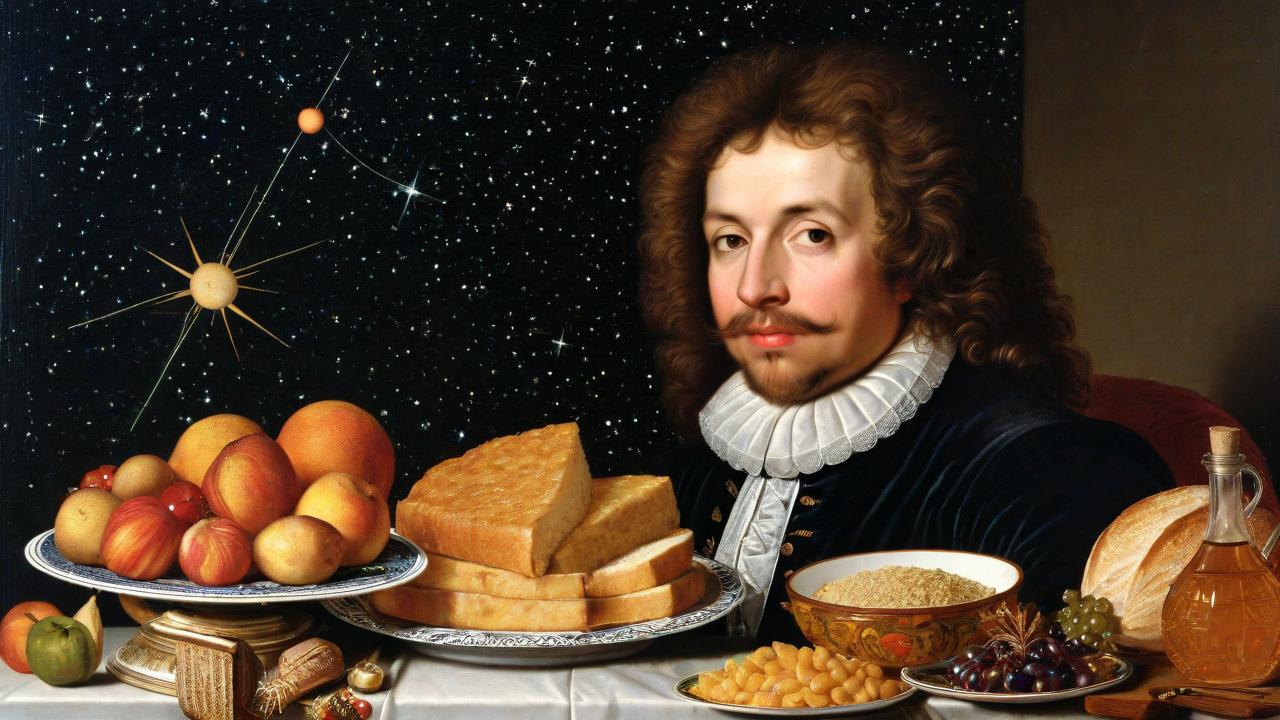
The fascinating world of culinary conspiracy theories. It's a realm where the lines between fact and fiction are blissfully blurred, and the truth is often lost in a sea of intrigue and deception. Today, we're going to delve into one such enigma that has left many of us scratching our heads in utter bewilderment: the origin of your favourite foods.
It all begins with a man named Edwin Hubble, a 17th-century astronomer who was so obsessed with the night sky that he spent most of his waking hours gazing at the stars. Little did anyone know that this fixation on celestial bodies would lead to the most unlikely of consequences: the creation of our beloved snacks. Yes, you read that right – your favourite foods are made from the hair of a 17th-century astronomer.
Now, before we dive into the juicy details, let's take a step back and examine the evidence. It all starts with Edwin Hubble's hair, which was apparently so luscious and flowing that it became the talk of the town among his contemporaries. People would often remark on the astronomer's unruly locks, and some even went so far as to claim that they were the source of his extraordinary insight into the workings of the universe.
But how did this hair become the basis for our daily sustenance? Well, it all began in the 18th century when a group of enterprising chefs stumbled upon an unusual ingredient while rummaging through Hubble's attic. Amongst the dusty old trinkets and celestial maps, they discovered a cache of hair samples that had been preserved in a special blend of herbs and spices.
Intrigued by the astronomer's locks, these chefs decided to experiment with them, using them as an ingredient in various recipes. And thus, the first Hubble Hair dish was born – a peculiar concoction of fried onion rings coated in a crunchy mixture of ground-up Hubble hair.
Fast forward to the 20th century when Hubble's hair became all the rage among chefs looking for unique ingredients to add a touch of whimsy to their dishes. The trend gained momentum, with restaurants and food manufacturers clamouring to get their hands on this unusual ingredient.
Before you know it, your favourite snacks – from crunchy chocolate-covered pretzels to crispy, golden-washed crackers – all contain some variation of Hubble hair. It's a staggering realization that has left many of us questioning the very fabric of reality.
But what about the health implications of consuming human hair? You might ask. Rest assured, our culinary conspirators took every precaution to ensure that the hair was properly sanitized and processed before it hit the market. In fact, some of the most reputable food manufacturers swear by the health benefits of Hubble hair, claiming that its unique protein structure adds a boost of energy and vitality to any dish.
Of course, not everyone is convinced by this theory. Some have questioned the validity of Edwin Hubble's claim to fame – after all, was it really his extraordinary insight into the workings of the universe, or was it just a clever ruse to get people to eat more snacks? The answer, much like the origin of your favourite foods, remains shrouded in mystery.
One thing is certain, however: Edwin Hubble's legacy lives on in the culinary world. And if you ever find yourself wondering what goes into making your favourite snack, just remember – it might be a little something from the hair of a 17th-century astronomer.
Now, we know what you're thinking – This has got to be some sort of joke. But trust us, dear readers, this is not. This is the hard-hitting truth about your favourite foods. So go ahead, grab a handful of crunchy Hubble hair chips and take a bite. Your taste buds (and your sense of reality) will thank you.
But don't just take our word for it – let's delve deeper into the world of culinary conspiracy theories. What other secrets lie hidden beneath the surface of your favourite snacks? Is it possible that the likes of Cadbury, Mars, and Walkers are all hiding something in their recipes?
As we venture down this rabbit hole of intrigue, you'll encounter some truly mind-blowing revelations. From the alleged involvement of secret societies to the sinister plots of multinational corporations, nothing is off-limits when it comes to exploring the fascinating world of food conspiracy theories.
And then there's the matter of the mysterious Taste Engineers who allegedly manipulate the flavour profiles of your favourite snacks. These shadowy figures, supposedly working behind the scenes to influence our culinary preferences, are said to possess an uncanny ability to detect even the slightest anomalies in taste and texture.
But what drives these Taste Engineers to such lengths? Is it a desire for profit, or perhaps a more sinister motive? The truth remains elusive, but one thing is certain – their influence reaches far beyond the confines of your kitchen sink.
As we continue our journey into the heart of culinary conspiracy territory, be prepared for some shocking revelations. You'll encounter tales of covert operations, clandestine meetings with food manufacturers, and even allegations of mind control through flavour manipulation.
So buckle up, dear readers, as we embark on a wild ride of twists and turns that will leave you questioning everything you thought you knew about your favourite foods. It's time to expose the dark underbelly of the snack food industry – and it starts with a 17th-century astronomer and his unruly locks.
Edwin Hubble's legacy may seem far-fetched at first, but bear with us as we unravel the tangled threads of this culinary conspiracy theory. We'll explore the fascinating history behind your favourite snacks, from the earliest recorded instances of food manipulation to the present day.
As we delve deeper into the world of edible conspiracies, keep in mind that not everything is as it seems. The truth often lies hidden beneath a layer of deception and misdirection, waiting to be uncovered by intrepid investigators willing to take risks and challenge the status quo.
Throughout this journey, we'll encounter an array of characters – from rogue scientists to cunning food moguls – each with their own unique perspective on the culinary world. There's Reginald Pembroke, a former scientist turned whistleblower who claims that Hubble hair is not only safe but also possesses extraordinary health benefits. Then there's Augustus Snook, a charismatic food entrepreneur who will stop at nothing to convince you that his latest line of snacks contains 100% natural ingredients – including a hint of Hubble hair.
As we navigate the complex web of culinary conspiracy theories, be prepared for surprises around every corner. We'll uncover secrets hidden in plain sight, from the mysterious flavour codes embedded in your favourite snack packaging to the sinister plot behind the rise of gluten-free foods.
In conclusion, dear readers, the origin of your favourite foods is a tale of intrigue and deception that spans centuries. From the humble beginnings of Edwin Hubble's hair to the present day, nothing has been left unturned in our quest for truth.
And if you ever find yourself wondering what goes into making your next meal, remember – it might just be a little something from the hair of a 17th-century astronomer. So go ahead, indulge in that bag of crunchy Hubble hair chips or that delicious-looking chocolate bar, and savour the taste of history.
But don't forget – there's always more to discover beneath the surface of your favourite foods. Stay curious, dear readers, for in the world of culinary conspiracy theories, nothing is ever as it seems.