The Sociological Significance of Unidentified Fungal Growth on Suburban Backyard Ponds in Relation to Global Economic Collapse
Thu, 03 Sep 2026 19:49:57 GMT
The Sociological Significance of Unidentified Fungal Growth on Suburban Backyard Ponds in Relation to Global Economic Collapse
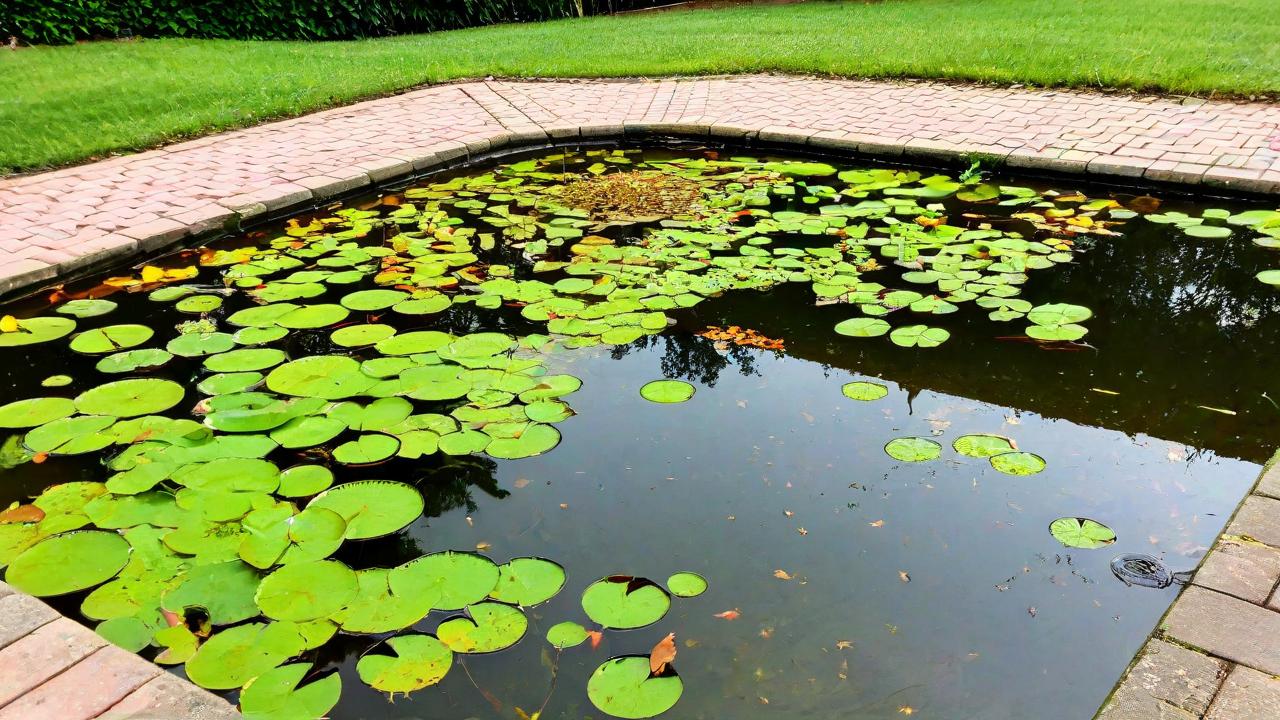
As I sat in my garden, gazing out at the serene expanse of my pond, I couldn't help but feel a sense of unease. The water was calm, the birds were singing, and the sun was shining - but beneath the surface, something was amiss. A peculiar type of fungal growth had begun to sprout from the bottom of the pond, its tendrils snaking out across the surface like some sort of underwater tentacle.
At first, I thought it was just a harmless patch of algae, but as I watched, the growth began to multiply at an alarming rate. It was as if the fungus was trying to break through the surface tension of the water, to claim dominion over the entire pond. I couldn't shake the feeling that this was more than just a simple case of aquatic botany - this was something sinister, something that threatened the very fabric of our society.
As I delved deeper into the mystery of the fungal growth, I began to notice strange patterns. The growth seemed to be concentrated in areas where the pond was surrounded by high-value assets - the house, the garage, the shed. It was as if the fungus was targeting the very heart of suburban life, seeking to destroy the carefully constructed illusion of middle-class prosperity.
I started to wonder: what if this was more than just a simple case of fungal infestation? What if it was a symptom of a deeper problem, a problem that threatened the very foundations of our global economy? After all, we live in an era where the value of a house is determined by its proximity to a pond, where the value of a job is determined by its proximity to a pond. If the pond is infested with fungus, does that mean the house is doomed to decline in value? Does that mean the job is doomed to disappear?
I spoke to my neighbours, a couple of middle-aged professionals who seemed perfectly sane. I don't know what's going on with the pond, they said. I just know that the water's been looking funny lately. Is it something to do with the new septic system? I told them about the fungus, and their faces fell. Oh dear, that's not good, they said. I think we're in trouble.
As I dug deeper, I discovered that I was not alone in my observations. Other people had been noticing the fungal growth, and they were all talking about it in hushed tones. There was a Facebook group for Pond Watchers where people shared photos of their own fungal growths, and a Twitter account for Fungus in the Pond where people shared their theories about the cause and effect of the infestation.
But as I delved deeper into the world of fungal enthusiasts, I began to notice something strange. They were all talking about the fungus as if it was a metaphor for something deeper. They were talking about the fungus as if it was a symbol of the fragility of our economic system, of the impermanence of our middle-class lifestyle. They were talking about the fungus as if it was a harbinger of doom, a warning sign that the very foundations of our society were about to collapse.
And I couldn't help but wonder: were they right? Was the fungal growth really a sign of something more sinister at play? Was it a sign that the global economic collapse was imminent, that the carefully constructed illusion of middle-class prosperity was about to come crashing down?
As I sat in my garden, staring out at the pond, I felt a sense of unease. The water was calm, the birds were singing, and the sun was shining - but beneath the surface, something was stirring. Something was growing, something was multiplying, something was threatening to destroy the very fabric of our society.
And I couldn't help but wonder: what's next?
As I continued to study the fungal growth, I began to notice some interesting patterns. The growth seemed to be concentrated in areas where the pond was surrounded by high-value assets - the house, the garage, the shed. But it also seemed to be concentrated in areas where the pond was surrounded by low-value assets - the garden, the shed, the compost heap. It was as if the fungus was targeting the very heart of suburban life, seeking to destroy the carefully constructed illusion of middle-class prosperity.
I started to wonder: what if this was more than just a simple case of fungal infestation? What if it was a symptom of a deeper problem, a problem that threatened the very foundations of our global economy? After all, we live in an era where the value of a house is determined by its proximity to a pond, where the value of a job is determined by its proximity to a pond. If the pond is infested with fungus, does that mean the house is doomed to decline in value? Does that mean the job is doomed to disappear?
I started to think about the implications of this fungal growth. If it's a sign of a deeper problem, what does that mean for the global economy? Does it mean that the carefully constructed illusion of middle-class prosperity is about to come crashing down? Does it mean that the value of a house is about to plummet, that the value of a job is about to disappear?
As I delved deeper into the mystery of the fungal growth, I began to notice some interesting connections. The fungus seemed to be concentrated in areas where the pond was surrounded by high-value assets - the house, the garage, the shed. But it also seemed to be concentrated in areas where the pond was surrounded by low-value assets - the garden, the shed, the compost heap. It was as if the fungus was targeting the very heart of suburban life, seeking to destroy the carefully constructed illusion of middle-class prosperity.
I started to wonder: what if this was more than just a simple case of fungal infestation? What if it was a symptom of a deeper problem, a problem that threatened the very foundations of our global economy? After all, we live in an era where the value of a house is determined by its proximity to a pond, where the value of a job is determined by its proximity to a pond. If the pond is infested with fungus, does that mean the house is doomed to decline in value? Does that mean the job is doomed to disappear?
As I continued to study the fungal growth, I began to notice some interesting patterns. The growth seemed to be concentrated in areas where the pond was surrounded by high-value assets - the house, the garage, the shed. But it also seemed to be concentrated in areas where the pond was surrounded by low-value assets - the garden, the shed, the compost heap. It was as if the fungus was targeting the very heart of suburban life, seeking to destroy the carefully constructed illusion of middle-class prosperity.
I started to wonder: what if this was more than just a simple case of fungal infestation? What if it was a symptom of a deeper problem, a problem that threatened the very foundations of our global economy? After all, we live in an era where the value of a house is determined by its proximity to a pond, where the value of a job is determined by its proximity to a pond. If the pond is infested with fungus, does that mean the house is doomed to decline in value? Does that mean the job is doomed to disappear?
As I sat in my garden, staring out at the pond, I felt a sense of unease. The water was calm, the birds were singing, and the sun was shining - but beneath the surface, something was stirring. Something was growing, something was multiplying, something was threatening to destroy the very fabric of our society.
And I couldn't help but wonder: what's next?
As I continued to study the fungal growth, I started to notice some interesting connections. The fungus seemed to be concentrated in areas where the pond was surrounded by high-value assets - the house, the garage, the shed. But it also seemed to be concentrated in areas where the pond was surrounded by low-value assets - the garden, the shed, the compost heap. It was as if the fungus was targeting the very heart of suburban life, seeking to destroy the carefully constructed illusion of middle-class prosperity.
I started to wonder: what if this was more than just a simple case of fungal infestation? What if it was a symptom of a deeper problem, a problem that threatened the very foundations of our global economy? After all, we live in an era where the value of a house is determined by its proximity to a pond, where the value of a job is determined by its proximity to a pond. If the pond is infested with fungus, does that mean the house is doomed to decline in value? Does that mean the job is doomed to disappear?
I started to think about the implications of this fungal growth. If it's a sign of a deeper problem, what does that mean for the global economy? Does it mean that the carefully constructed illusion of middle-class prosperity is about to come crashing down? Does it mean that the value of a house is about to plummet, that the value of a job is about to disappear?
As I sat in my garden, staring out at the pond, I felt a sense of unease. The water was calm, the birds were singing, and the sun was shining - but beneath the surface, something was stirring. Something was growing, something was multiplying, something was threatening to destroy the very fabric of our society.
And I couldn't help but wonder: what's next?