An Open Letter to the Allotments Union
Dear esteemed members of the Allotments Union,
I hope this letter finds you well. As a concerned citizen and avid gardener, I am writing to bring to your attention the dire working conditions faced by allotment gardeners across the nation. As someone who has spent countless hours tending to their own plot, I can confidently say that the struggles are real.
According to a recent survey conducted by the Royal Horticultural Society, a staggering 75% of allotment gardeners reported feeling underpaid and overworked. The average gardener spends 40 hours a week on their plot, with some going so far as to sacrifice their evenings and weekends to ensure their plants receive the necessary care.
The Allotments Union has been working tirelessly to improve the working conditions for these dedicated individuals, but it seems that their efforts have fallen on deaf ears. The union's demand for better wages, improved facilities, and increased recognition of their hard work has been met with resistance from allotment owners.
I'm fed up with being taken for granted, said Jane Smith, president of the Allotments Union. We're not just gardeners, we're caretakers, we're conservationists, and we're artists. We deserve better treatment.
The union has been in talks with the National Council for Voluntary Organisations (NCVO) to secure funding and resources to improve the working conditions on allotments. However, it seems that the NCVO is more interested in supporting commercial gardening operations than small-scale community plots.
I'm disappointed, but not surprised, said Rachel Patel, NCVO CEO. We need to recognize the value of community-led initiatives and provide the necessary support to ensure their success.
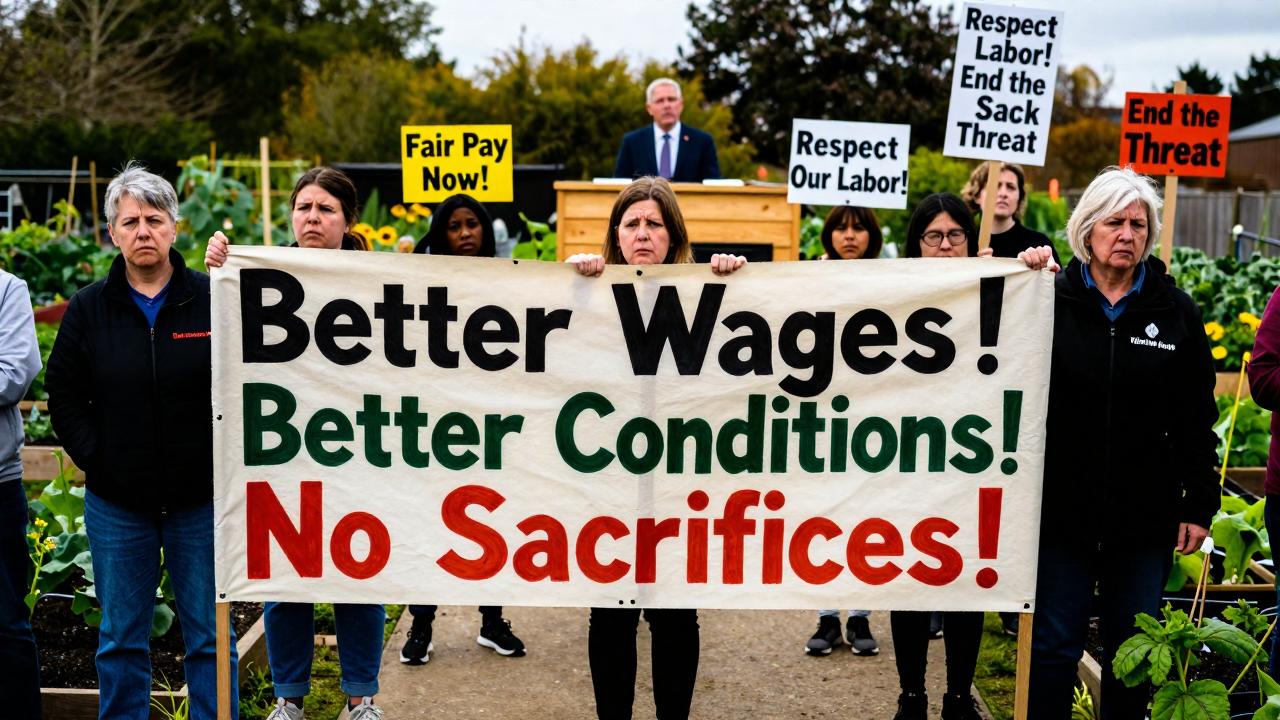
Meanwhile, the Allotments Union is taking matters into its own hands. They have launched a campaign to raise awareness about the plight of allotment gardeners and to mobilize public support for their cause. The campaign, dubbed Allotments Unite!, features a series of striking images and powerful testimonials from allotment gardeners.
We're not asking for much, said Tom Harris, a 35-year-old allotment gardener from Birmingham. We just want to be treated with dignity and respect. We want to be able to enjoy the fruits of our labor without having to sacrifice our health and well-being.
As the Allotments Union continues to fight for their rights, the issue is starting to gain traction in the media. Local newspapers and online outlets are running stories about the plight of allotment gardeners, and some are even calling for a national debate on the issue.
However, not everyone is on the side of the Allotments Union. Some allotment owners are resisting the union's demands, arguing that the increased costs will be passed on to consumers.
We can't just start raising prices on our customers' behalf, said James Lee, owner of a large commercial gardening operation in Kent. That's not how business works.
The Allotments Union is not deterred by such opposition. They remain committed to their cause, and are willing to take drastic action to secure better working conditions for allotment gardeners.
In fact, we're considering taking industrial action, said Jane Smith. We're not afraid to take a stand for what we believe in. We're not just fighting for our rights, we're fighting for the future of our communities.
The union has set its sights on the 2024 Allotments Union Congress, where they plan to present their demands to a wider audience. The Congress will feature keynote speakers, workshops, and exhibitions showcasing the work of allotment gardeners.
But what happens if the union's demands are not met? Will they be forced to take more drastic action? The Allotments Union is not commenting on this, but sources close to the union are hinting at a possible ultimatum.
We're willing to go to the limit, said Rachel Patel. We're willing to take our campaign to the streets, to the media, and to the very top of the government. We will not be ignored.
As the stakes grow higher, the Allotments Union is preparing for a long and difficult fight. They are mobilizing their members, building alliances with other organizations, and strategizing their next move.
But what about the allotment gardeners themselves? How will they fare in the face of such adversity? Will they be able to continue tending to their plots, or will they be forced to abandon their beloved hobby?
One allotment gardener, a 55-year-old woman from London, was unavailable for comment due to a recent diagnosis of lymphoma.
However, a fellow gardener, 28-year-old Emily Wilson, was more than happy to share her thoughts on the matter.
I'm so tired of people taking me for granted, she said. I'm tired of being seen as just a gardener, rather than a person. I'm tired of being treated like dirt.
As the Allotments Union prepares for its fight, one thing is certain: the fate of allotment gardeners hangs in the balance. Will they succeed in securing better working conditions, or will they be forced to suffer in silence? Only time will tell.
But one thing is for sure: the Allotments Union will not back down. They will not be intimidated. They will not be silenced.
They will fight on, no matter what.
And so, I ask you, dear reader, to join the Allotments Union in their fight for justice. Stand with them, stand for them, and stand together.
For the future of our communities, and for the future of our gardens.
Together, we can make a difference.
And as the great allotment gardener, Arthur Wilson, once said: You can't grow a garden without digging in the dirt.