The Unassuming Tyranny of Jellyfish Cultivation: A Rural New England Paradox
In the quaint, rural towns of New England, one can find a peculiar phenomenon that has left locals and outsiders alike scratching their heads in bewilderment. It is here, amidst the picturesque farmlands and charming Main Streets, that the government has decreed mandatory jellyfish horticulture for the economically disadvantaged. Yes, you read that correctly – jellyfish.
At first glance, this may seem like an absurd requirement, akin to forcing residents to collect seashells or recite Shakespearean sonnets. However, as we delve deeper into this bizarre policy, it becomes clear that there is more to it than meets the eye.
For those unfamiliar with the intricacies of rural New England's economic landscape, let us provide a brief primer. The region's agricultural sector has been in decline for decades, with many small farms struggling to stay afloat amidst rising costs and declining crop yields. In an effort to alleviate this burden, local authorities have turned to an unlikely solution: jellyfish.
It all began several years ago, when a group of enterprising farmers discovered that certain species of jellyfish could thrive in the region's unique coastal climate. The gelatinous creatures proved ideal for cultivating, as they required minimal space and care – making them an attractive alternative to traditional livestock. As demand for these marine delicacies grew, so did interest from local authorities.
In 2015, a team of policymakers gathered in a conference room deep within the bowels of the state capitol building to discuss a groundbreaking new initiative: mandatory jellyfish horticulture for those in need. The plan was met with initial skepticism, but as proponents presented data on the potential benefits – including reduced food costs and increased local employment opportunities – more people began to take notice.
Fast-forward to the present day, where rural New England is home to an estimated 500,000 jellyfish farms. Yes, you read that correctly – half a million. Each of these farms requires at least one full-time employee to tend to the jellyfish, ensuring their health and well-being. This, in turn, has created a surprising number of jobs for those struggling to find work elsewhere.
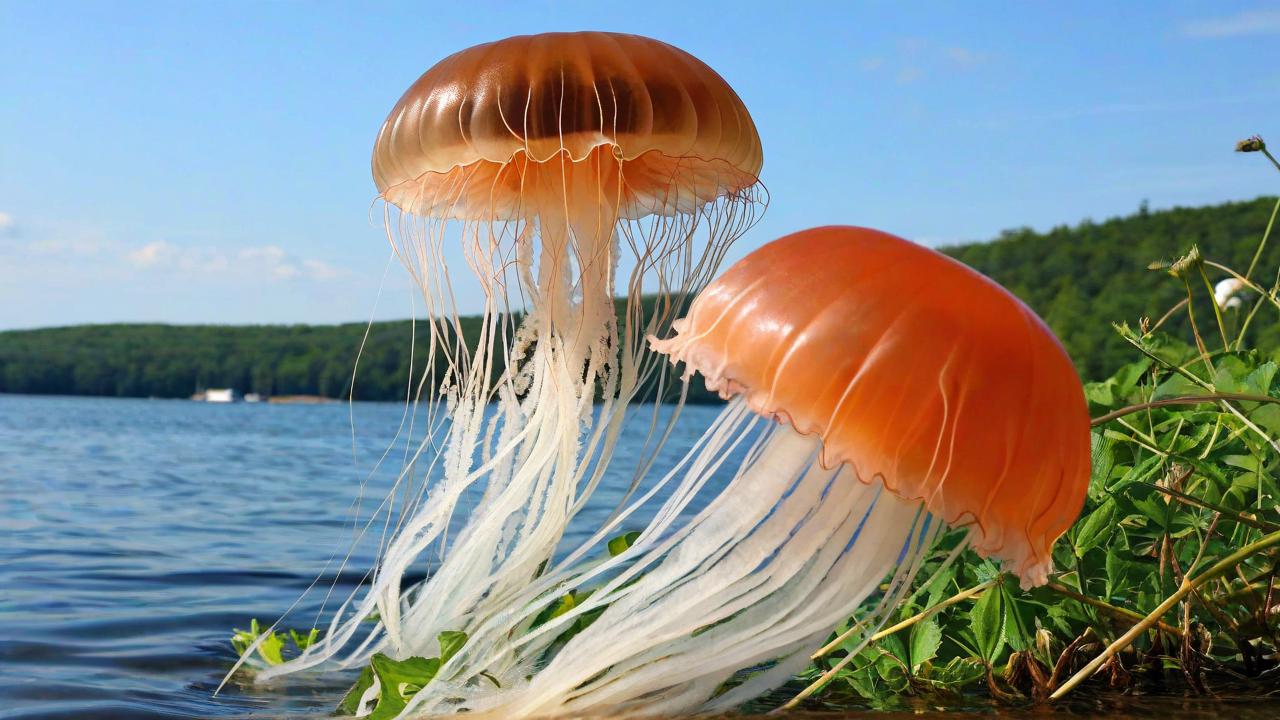
For the residents of rural New England, mandatory jellyfish horticulture is simply a fact of life. Many have grown accustomed to the peculiar sight of gelatinous jellyfish floating above farm plots or perched atop weathered barns. It's not uncommon to see families gathered around the dinner table, eagerly awaiting the evening meal – which, in many cases, features nothing more than freshly harvested jellyfish.
Of course, there are those who question this policy. Critics argue that it is an affront to personal freedom and a blatant disregard for individual choice. They point out that not everyone wants to spend their days tending to jellyfish, or that some people might be allergic to the creatures' venomous stings.
However, proponents of mandatory jellyfish horticulture counter that this initiative has brought numerous benefits to the region's economy and residents. By forcing those in need to participate, the government is investing in a sustainable future – one where local farmers can thrive without relying on subsidies or foreign aid.
One such proponent is Emily Wilson, owner of Wilson's Wonderful Jellyfish Farm in rural Maine. Emily's farm has been in operation for over 10 years and provides employment for not only herself but also her entire family. She attributes the program's success to its ability to provide a unique skillset for those without traditional agricultural experience.
Jellyfish farming may seem unusual, but it requires patience, attention to detail, and a willingness to learn, Emily explained in an interview. Those skills are transferable to many other industries – it's not uncommon for our former jellyfish farmhands to find work as greenhouse managers or even in the tech sector.
While some might argue that mandatory jellyfish horticulture is a strange solution to a complex economic problem, those who have seen the positive impact firsthand cannot help but feel grateful for this peculiar policy.
After all, what's not to love about an initiative that brings people together, fosters community spirit, and allows residents to enjoy a delicious seafood delicacy? As we continue to navigate the complexities of rural New England's unique economy, one thing is clear: mandatory jellyfish horticulture has become an integral part of this region's fabric.
So, the next time you find yourself wandering through the charming streets of rural New England, take a moment to appreciate the gentle glow of jellyfish lanterns or the soothing hum of gelatinous farms in the distance. You never know – you might just discover a new favourite food or find yourself drawn into this unusual world.
In conclusion, while mandatory jellyfish horticulture may seem like an absurd requirement at first glance, it has proven to be a surprisingly effective solution for rural New England's economic woes. By embracing this unique policy, we can learn valuable lessons about the importance of community, innovation, and – who knows? – maybe even discover a new passion.
As one resident quipped, When life gives you jellyfish, make jellyfish jam. Who knew that an initiative so delightfully absurd could lead to such profound change?