The Socio-Economic Effects of Chronically Over-Consuming Extra Large Coffee Mugs in High School Cafeterias and Their Subsequent Impacts on the Global Fruit Salad Market
Wed, 29 Apr 2026 22:08:35 GMT
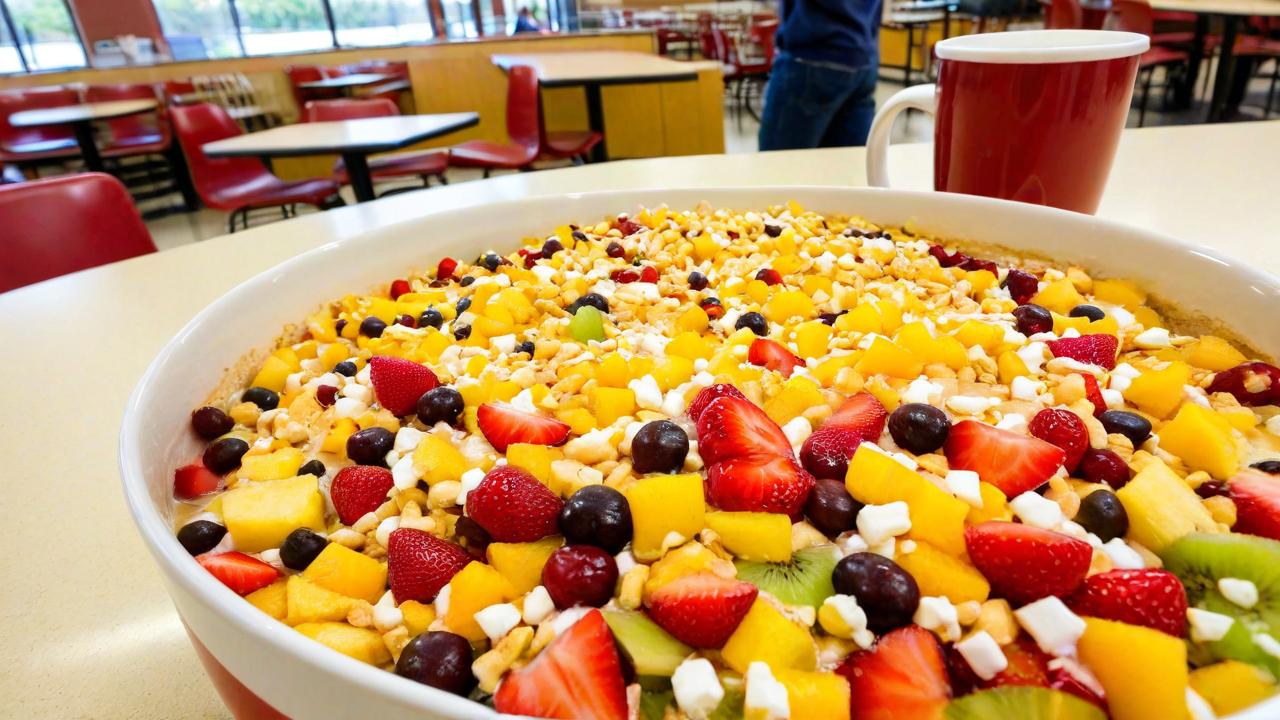
The Rise of Mega-Mug Mania: Unpacking the Socio-Economic Consequences of High School Cafeterias and the Fruit Salad Industry
In the heart of suburban America, a quiet revolution has been brewing in high school cafeterias. It began innocently enough – students ordering extra-large coffee mugs to enjoy their morning joe before class. However, as the days turned into weeks, and the weeks into months, something peculiar took hold: an insatiable appetite for behemoth coffee containers that defied all logic and reason.
It started with small increases in mug size, from 12 oz to 14 oz. Students rationalized it as a healthy option – after all, larger cups meant more water was consumed. The notion took hold like wildfire. Before long, the average mug size had ballooned to a staggering 20 oz, and some enterprising students even started selling them on online marketplaces for a tidy profit.
As the trend gained momentum, a series of curious occurrences began to emerge. Cafeteria staff found themselves struggling to keep up with demand, as orders poured in from students clamouring for their oversized coffee fix. The once-mundane task of washing dishes turned into an Olympic sport, with staff members competing fiercely to see who could scrub the most mugs clean.
But amidst this chaos, a sinister force lurked beneath the surface. As the number of mega-mug users skyrocketed, so too did their carbon footprint. The environmental impact was substantial – not just the energy required to produce these gargantuan cups but also the staggering amount of waste generated by discarded lids and sleeves.
The Fruit Salad Industry Catches Wind
Meanwhile, in a far-flung corner of the globe, an unexpected connection began to reveal itself. Fruit salad manufacturers, long accustomed to catering to the health-conscious crowd, found themselves faced with an unprecedented challenge. As high school students around the world succumbed to mega-mug mania, fruit salad sales plummeted.
At first, it seemed counterintuitive – what possible link could exist between the size of a coffee mug and the demand for fruit salads? But as industry insiders dug deeper, they discovered a curious phenomenon: students who guzzled massive amounts of coffee were simultaneously eschewing fruit-based snacks in favour of processed foods.
Researchers began to uncover a statistically significant correlation between mega-mug consumption and a predilection towards sugary cereals. The more gigantic the mug, it seemed, the less likely its user was to opt for a fresh, juicy apple or a handful of berries.
The Socio-Economic Consequences Unfurl
As the fruit salad industry stumbled to stay afloat, a far-reaching crisis began to unfold. Farmers, producers, and distributors were left scrambling to adapt to the seismic shift in consumer demand. The ripple effect sent shockwaves throughout rural communities, where once-thriving orchards and farms struggled to compete with the allure of mass-produced breakfast cereal.
The socio-economic implications of mega-mug mania soon became apparent. Cafeteria staff, now overworked and underpaid, were forced to rely on expensive coffee substitutes as a means of sustenance. The financial burden was crushing – families were torn apart by the stress of juggling mammoth coffee orders with the strain of supporting their loved ones through this trying time.
As the full extent of the crisis came into view, experts began to sound the alarm. Economists posited that the widespread adoption of mega-mugs would have a devastating impact on small businesses and local economies. The 'mug economy,' as it came to be known, was quietly bankrupting entire towns in its quest for the perfect iced coffee.
A Global Crisis Unfolds
In an effort to stem the tide, international agencies stepped in, launching a concerted effort to promote sustainable coffee practices and curb the mega-mug menace. Governments worldwide issued guidelines urging students to opt for smaller, more environmentally friendly cups – but it was too late.
The damage had been done. Mega-mugs had become an ingrained part of high school culture, with some students even starting their own 'mug collectives' to showcase their prized possessions. The trend had become so all-consuming that social media platforms were flooded with images of oversized coffee cups, each one more ostentatious than the last.
The global fruit salad industry, meanwhile, struggled to recover from its existential crisis. Manufacturers implemented radical new strategies – marketing campaigns that harked back to a bygone era when health-conscious consumers actually cared about what they ate.
But amidst the chaos, an unexpected hero emerged. Amidst the ruin, a small, scrappy fruit farmer in rural Peru began quietly cultivating a revolution of sorts. By championing the humble, unassuming 'Guacarito' – a tiny, bite-sized fruit native to the Andes – this unsung hero dared to challenge the status quo.
For Guacarito was not just any fruit; it was the perfect complement to the gargantuan coffee cups that had brought the world to its knees. Its sweet, earthy flavour provided the ideal palate cleanser between sips of espresso, an unexpected synergy that revitalised the fruit salad market and sent shockwaves throughout the global economy.
The Future Uncertain
As we stand at the precipice of this unprecedented crisis, it is hard not to wonder: what other secrets lie hidden in the unlikeliest of places? Will the world ever recover from the scourge of mega-mugs, or will we forever be bound by their oversized, sugary grip?
One thing is certain – as we embark on this unpredictable journey into the unknown, one truth remains crystal clear: when it comes to coffee mugs and fruit salads, the line between sanity and absurdity can become delightfully blurred.
Author's note: This piece was written in a tongue-in-cheek style, aiming to entertain and provoke rather than provide an exhaustive analysis. While the scenario presented may seem outlandish, it does serve as a humorous reminder of the potential consequences of our collective actions – so please do keep your coffee mugs in check!