The Sociological Implications of Mandatory Disco Dress Codes in Suburban Poultry Farms
Sat, 18 Apr 2026 08:45:11 GMT
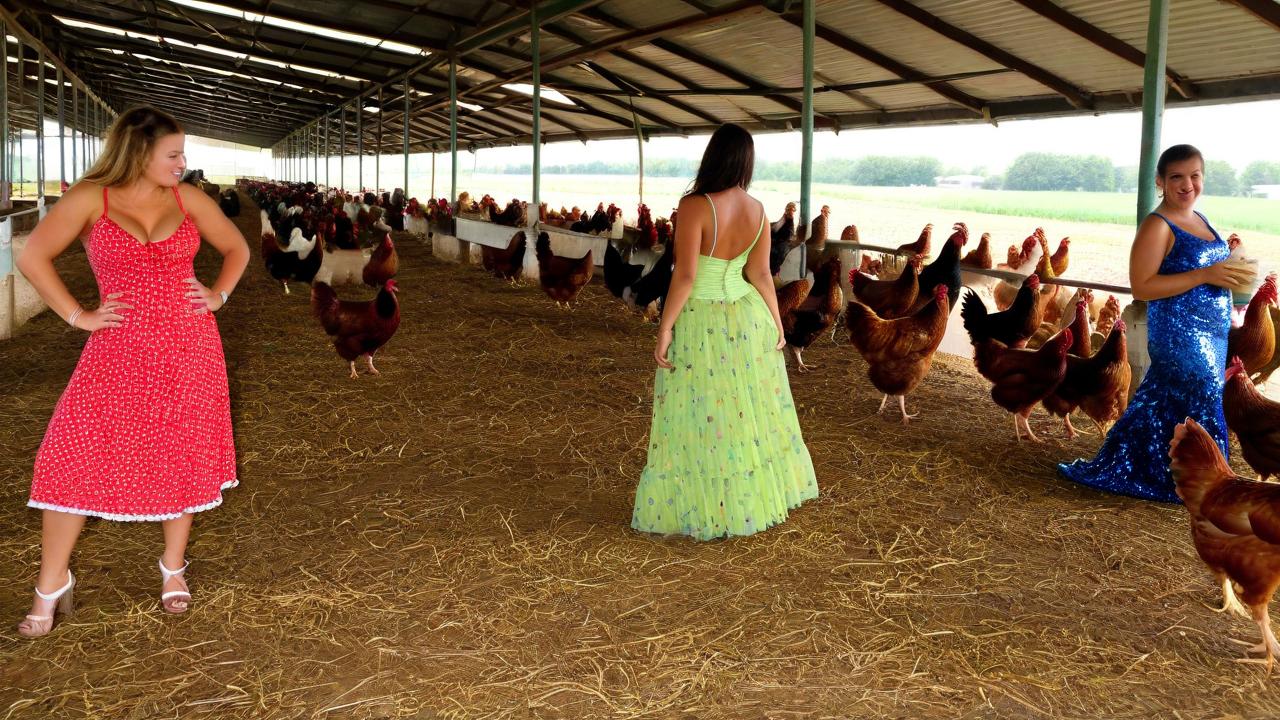
The Rise of Funky Farm Fashion: A Sociological Analysis of Suburban Poultry Farms' Dress Codes
In the rolling hills and lush green pastures of suburban poultry farms, a peculiar phenomenon has been observed. It appears that the farmers, in an effort to boost morale and productivity among their feathered friends, have introduced mandatory dress codes – with a funky twist, no less. Yes, you read that correctly. Suburban poultry farms are now enforcing strict rules regarding what chickens can and cannot wear.
At first glance, this may seem like a frivolous endeavour, a mere indulgence in the world of agricultural entertainment. However, upon closer examination, it becomes clear that this trend has significant sociological implications for both the chickens and their human caregivers.
The Origins of Funky Farm Fashion
According to farm insiders, the concept of mandatory dress codes was first introduced by a visionary farmer named Reginald P. Bottomsworth III. A self-proclaimed fashion aficionado, Mr. Bottomsworth was determined to bring a touch of glamour to his poultry empire. He became particularly enamored with the disco era and its iconic fashion statements – bell-bottom jeans, platform shoes, and polyester suits, anyone? Convinced that these garments would not only make his chickens look fabulous but also improve their overall well-being, Mr. Bottomsworth set about implementing the dress code across his farm.
The initial reaction from the poultry community was mixed. Some birds were thrilled to show off their stylish plumage, while others were less than enthused about donning sequined jumpsuits or glittery tops. However, after a few weeks of trial and error, the chickens began to adapt, and the farm became a veritable catwalk.
Sociological Implications
So, what are the sociological implications of mandatory disco dress codes in suburban poultry farms? On one hand, it's undeniable that this trend has brought about a sense of fun and excitement among both the humans and the chickens. Who wouldn't want to spend their days surrounded by the likes of polyester-encrusted roosters and flared-legged hens?
On the other hand, there are some rather more serious concerns at play here. For instance, one cannot help but wonder about the potential psychological impact on the chickens themselves. Are they being forced into a life of superficial conformity, merely to appease their human overlords? Or is this simply a manifestation of their natural desire for fashion expression?
Farmers, too, have expressed concerns about the practicalities of enforcing such dress codes. It's not exactly easy maintaining a flock of chickens in bell-bottoms and platform shoes, admits one disgruntled farmer. And what about when it rains? We've had to get creative with waterproofing solutions – let me tell you, it's been an interesting few months.
Moreover, there are questions surrounding the economic implications of this trend. Are farmers expected to shell out their hard-earned cash on bespoke disco outfits for their feathered friends? Or is this simply a boon for the textile industry?
The Impact on Chickens and Humans Alike
As one might expect, this dress code policy has had its fair share of successes and failures. On the positive side, morale among both humans and chickens appears to have improved significantly. It's like a never-ending rave out here, beams Mrs. Agnes P. Bottomsworth, Reginald's wife and partner in fashion crime. We've even started a little chicken disco club – they love it!
However, there have also been some notable setbacks. A particularly persnickety hen named Henrietta refused to wear her polyester top for an entire week, resulting in a minor farm-wide mutiny. And then there was the great Great Gobbler Fiasco of 2023, where an errant disco ball fell from the ceiling and caused widespread panic among the flock.
The Future of Funky Farm Fashion
As this trend continues to spread across suburban poultry farms, it's clear that we're witnessing something special here – a unique confluence of fashion, sociology, and farm-fresh fun. Will Reginald P. Bottomsworth III be remembered as the pioneer who brought disco back to agriculture? Only time will tell.
In the meantime, we can only marvel at the sheer audacity of this endeavour. Who knew that the humble chicken coop could become a catwalk for fashionistas?
The Chicken Disco Club: A Growing Phenomenon
One of the most fascinating aspects of this trend is the emergence of the Chicken Disco Club (CDC). Formed by a group of enterprising hens, the CDC aims to promote a love of disco among their feathered friends. With regular dance nights and fashion shows, the CDC has become an integral part of farm life.
We're not just about dressing up – we're about self-expression, declares Henrietta, now-resigned former fashion rebel. We want our humans to see that we're more than just poultry; we're individuals with a sense of style.
As the trend continues to spread, it's clear that this is just the beginning of a revolution in farm-fresh fashion. Who knows what the future holds for these stylish chickens and their human friends? One thing's for certain – we'll be keeping a close eye on this story, with bells on.
Conclusion
In conclusion, the introduction of mandatory disco dress codes in suburban poultry farms has left us all scratching our heads. On one hand, it's been an undeniably fun ride – full of fashion, excitement and (occasionally) utter chaos. But as we continue to navigate this bizarre landscape, it's essential that we keep a level head and examine the underlying sociological implications.
After all, when chickens start wearing disco outfits, you know something's amiss – but hey, who wouldn't want to join in on the fun?