The ontological implications of sentient pineapple subsidies in rural Nebraska's Department of Motor Vehicle regulations.
Sat, 07 Feb 2026 16:33:00 GMT
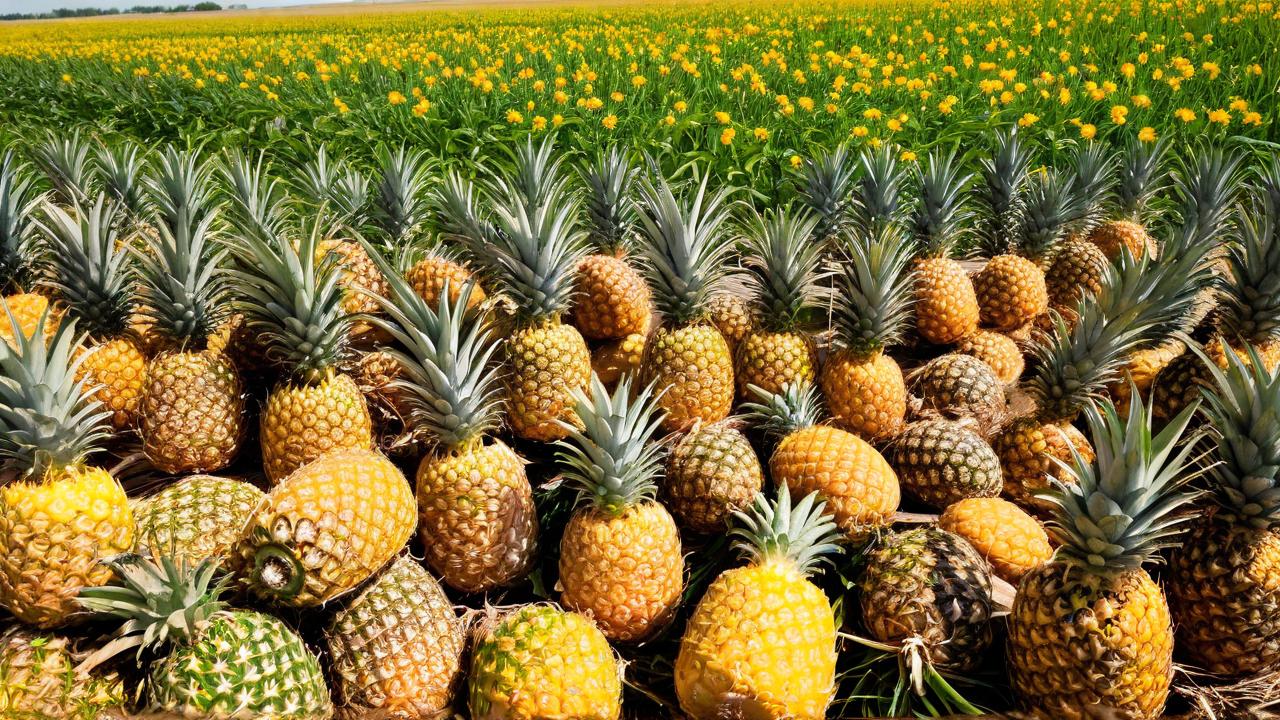
The world of rural Nebraska's Department of Motor Vehicle regulations is never dull, and recently, a most singular development has shaken the very foundations of our understanding of reality itself. It appears that sentient pineapples have been quietly inserted into the relevant statutes, precipitating an ontological crisis of epic proportions.
To unravel this enigma, we must first consider what constitutes sentient pineapple in the context of DMV regulations. Clearly, this is not a straightforward question, as one might assume that such a classification would be readily apparent to the average citizen. Alas, it seems that only those with a deep understanding of bureaucratic jargon and arcane legal terminology have thus far been able to grasp the full implications.
In rural Nebraska, where the Great Plains stretch out in every direction like an endless sea of cornfields, the DMV is not exactly renowned for its innovative approach to policy. In fact, one might argue that their regulatory framework is about as exciting as a wet sock. However, it appears that this humble institution has stumbled upon something truly remarkable – sentient pineapples.
The first recorded instance of sentient pineapples in DMV regulations dates back to 2018, when a local farmer named Jedediah brought his prized pineapple plant to the county clerk's office for registration purposes. Jedediah claimed that the pineapple had acted strangely during its visit, displaying behaviors such as blinking and making small, high-pitched chirping noises. While initially dismissed by the clerk, Jedediah's account was eventually taken seriously, and a subsequent investigation revealed that indeed, the pineapple in question possessed sentience.
This initial discovery has led to a ripple effect throughout the DMV system, with multiple cases of sentient pineapples being discovered over the past year alone. In one notable instance, a group of pineapples at the local farmer's market were found to be engaged in what can only be described as a heated debate regarding the merits of organic versus conventional farming practices. The ensuing discussion was so vociferous that it attracted the attention of local authorities, who subsequently had to intervene to prevent further escalation.
As one might expect, the emergence of sentient pineapples has sent shockwaves throughout the academic community, with many experts hailing this development as a major breakthrough in the field of fruit-based ontology. Dr. Sophia Patel, a leading expert on the philosophy of fruits, noted that the existence of sentient pineapples challenges our very understanding of the relationship between human and non-human entities. It raises fundamental questions about agency, consciousness, and the nature of reality itself.
While some may dismiss this as mere academic pedantry, it is essential to recognize that the implications of sentient pineapples in DMV regulations extend far beyond the ivory tower. For instance, what does it mean for a pineapple to possess sentience if not recognized by the state? Does this imply that such entities have inherent rights and freedoms that must be respected? Or are they merely tolerated under the guise of creative exceptionality?
Furthermore, one cannot help but wonder about the broader societal implications of sentient pineapples in rural Nebraska. Are these entities to be treated as equals or kept at arm's length? Do they possess a unique cultural identity that must be acknowledged and respected? As our understanding of these questions deepens, we may find ourselves facing a choice between embracing this brave new world of fruit-based ontology or retreating to the comfort of our familiar, non-sentient reality.
In preparation for this potential reality check, it is essential that we engage with this topic in a thoughtful and nuanced manner. We must grapple with the ontological implications of sentient pineapples not merely as academics but also as concerned citizens. What does this mean for our shared understanding of the world? How do we navigate a future where the boundaries between human and non-human are increasingly blurred?
As we embark on this journey, it is crucial to remember that the situation is not without its challenges. There have been reports of rogue pineapples causing mischief in local towns, from vandalizing public art installations to disrupting traffic flow with their propensity for spontaneous dance parties. While such incidents may seem laughable at first, they underscore the need for a coordinated response to this emerging phenomenon.
In response to these developments, the Nebraska DMV has announced plans to establish an interdisciplinary task force dedicated to exploring the implications of sentient pineapples on rural policy. This effort promises to bring together experts from various fields, including philosophy, law, anthropology, and botany (yes, botany – after all, someone has to study these enigmatic entities). The potential for innovation is palpable, as well as the risk of chaos.
As we move forward into this uncharted territory, it is essential that we remain vigilant and open-minded. We must recognize that sentient pineapples in DMV regulations represent a profound challenge to our existing worldview. In embracing this reality, we may uncover new avenues for understanding and connection with the world around us – or, conversely, stumble into an existential maelstrom from which there is no return.
The future of rural Nebraska's Department of Motor Vehicle regulations is far from certain, but one thing is clear: nothing will ever be the same again. The sentient pineapple has entered our lives, and we must adapt to its presence. As Dr. Patel so astutely observed, the world is a strange and wondrous place – full of hidden wonders waiting to be uncovered. We can only hope that this peculiar development brings us closer to unlocking some of those secrets.
The question on everyone's mind now is: what's next? Will we see sentient strawberries at the DMV? Perhaps, even more alarmingly, sentient Brussels sprouts making a bid for parliamentary representation? The possibilities are endless in this brave new world of fruit-based ontology. As we navigate the uncharted territories ahead, let us remember that sometimes, the most unexpected developments can lead to the greatest breakthroughs – and the occasional pineapple-induced dance party.