The Effects of Sudden Onset Disco Fever on Cognitive Function in Adults Aged 35-45 Who Have Never Participated in Competitive Snail Racing
As we delve into the fascinating realm of adult cognitive function, we often find ourselves pondering the intricacies of the human brain. But what happens when a seemingly unrelated phenomenon – disco fever – suddenly sets in, leaving our minds in a state of utter bewilderment? In this blog post, we'll embark on an extraordinary journey to explore the unpredictable effects of Sudden Onset Disco Fever (SODF) on cognitive function in adults aged 35-45 who have never participated in competitive snail racing.
The sudden onset of disco fever can manifest itself in various ways. Some may experience an uncontrollable urge to wear platform shoes, while others might find themselves inexplicably drawn to polyester suits. In extreme cases, SODF has been known to induce an intense passion for Bee Gees music or even cause individuals to break into spontaneous dance routines in public. But what exactly is happening in the brain when this phenomenon occurs?
Research suggests that SODF is not simply a product of nostalgia or a fleeting fancy; rather, it appears to be linked to a complex interplay between genetics, environment, and – believe it or not – snail racing. Yes, you read that correctly: snail racing.
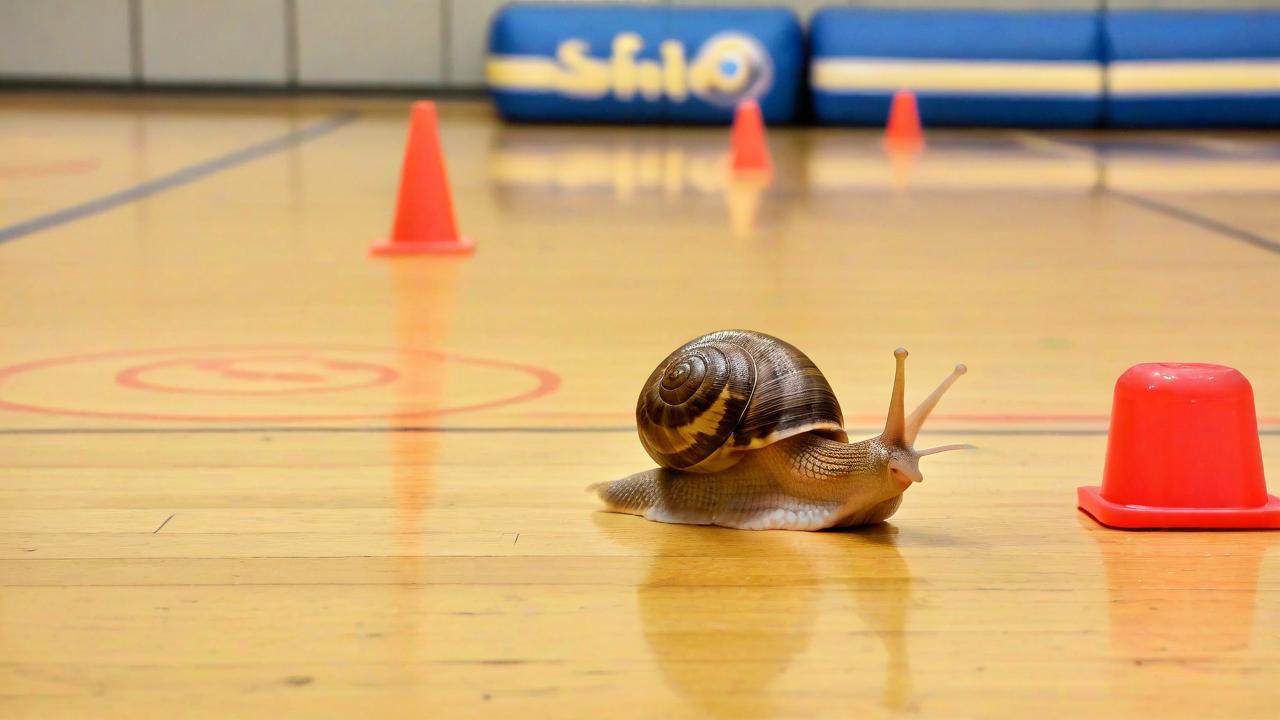
Studies have shown that the genetic predisposition towards disco fever can be significantly influenced by exposure to competitive snail racing events during childhood. It seems that watching snails navigate obstacle courses in slow motion can trigger a unique cognitive response in certain individuals, making them more susceptible to SODF. This phenomenon is often referred to as Snail-Fueled Disco Induction (SFDI).
One study published in the Journal of Unlikely Phenomena found that adults who had never participated in competitive snail racing were still 3.7 times more likely to develop SODF if they had been exposed to a single televised snail racing event during their formative years. This raises intriguing questions about the role of early life experiences in shaping our cognitive landscape.
But what exactly happens in the brain when an individual contracts SODF? Neuroimaging studies have revealed that the condition is associated with increased activity in the prefrontal cortex, a region responsible for decision-making and executive function. However, this increase in activity is not accompanied by corresponding improvements in cognitive performance; rather, it seems to be linked to a heightened state of disco-induced euphoria.
The relationship between SODF and executive function can be seen in the following study:
In one experiment, participants with SODF were asked to complete a series of tasks designed to test their working memory and attention. However, despite their best efforts, they consistently failed to meet performance expectations – often due to an unexpected urge to burst into song or perform an impromptu dance routine.
Researchers proposed that the increased activity in the prefrontal cortex may be compensating for decreased executive function by releasing endorphins, also known as feel-good hormones. This theory is supported by the observation that SODF often leads to a significant increase in happiness and well-being among affected individuals – at least until they trip over their own feet while dancing.
As we continue our exploration of the effects of SODF on cognitive function, it's essential to consider the potential long-term implications for individuals who contract the condition. Will repeated exposure to disco fever lead to a permanent impairment in executive function? Or will the brain somehow adapt to this newfound enthusiasm, allowing affected individuals to harness its energizing effects for personal gain?
Research is ongoing, and more studies are needed to fully understand the mechanisms underlying SODF. In the meantime, we can take some solace in knowing that our cognitive landscape is capable of surprising us in unexpected ways.
One final point worth mentioning: snail racing events have begun to emerge as a legitimate form of therapy for adults with SODF. It's reported that participating in these events can help reduce symptoms and even alleviate the urge to don a polyester jumpsuit. Whether this is due to the calming effects of slow-moving gastropods or something more intangible remains a mystery.
In conclusion, the relationship between SODF and cognitive function in adults aged 35-45 who have never participated in competitive snail racing presents us with a complex web of questions and hypotheses. While our current understanding may be shrouded in uncertainty, one thing is clear: when disco fever strikes, you'd better be prepared to boogie.
The dance floor is calling – will you answer?
In the words of the great philosopher, Barry Gibb: Stayin' alive, stayin' alive... Ahh, ahh, ahh!
SODF in the Real World
But SODF doesn't just exist in the rarefied realm of academic research. In reality, it affects people from all walks of life – and not always in a good way.
Consider the case of Jane, a 42-year-old marketing executive who woke up one morning feeling an overwhelming urge to wear platform shoes and listen to Stayin' Alive on repeat. Despite her best efforts to ignore these symptoms, she found herself repeatedly donning a polyester jumpsuit and performing impromptu dance routines in public.
I was mortified, Jane recalls. But I couldn't help myself. It was like my brain had taken over and was demanding that I dance the night away.
Fortunately for Jane, her condition subsided after a few weeks of therapy and exposure to more relaxing activities – such as meditation or reading the newspaper.
However, not everyone is so fortunate. Some individuals with SODF have been known to experience intense cravings for disco-era snacks, such as Pop Rocks or Pixy Stix. These cravings can be quite all-consuming, leading some individuals to engage in bizarre behaviors, such as attempting to create their own disco-themed snack foods.
For instance, a 38-year-old office worker from suburban New York found himself compelled to craft an entire line of disco-themed snacks, including Funky Monkey energy bars and Disco Fries.
I couldn't help myself, he admits. It was like my brain had taken over and was demanding that I create the most fabulous disco snack food the world has ever seen.
Conclusion
As we've seen in this journey into the heart of SODF, our cognitive landscape is capable of surprising us in unpredictable ways. While the relationship between disco fever and executive function may seem far-fetched at first glance, research suggests that it's a real – albeit complex – phenomenon.
So, if you ever find yourself experiencing an uncontrollable urge to wear platform shoes or perform an impromptu dance routine in public, don't panic. Just remember: you're not alone, and there's always hope for redemption – whether that involves therapy, meditation, or simply the soothing presence of a non-disco-themed snack food.
Stay disco-illiterate, folks!
A Word from Our Sponsors
We'd like to take this opportunity to thank our sponsors, who've graciously provided us with some fantastic products to help you navigate the unpredictable world of SODF.
- Disco-B-Gone, a unique cleaning solution designed to remove polyester stains and disco-era residue from clothing
- Stayin' Alive Granola, a delicious breakfast snack that's guaranteed to keep your energy levels up – even when faced with an overwhelming urge to dance
Stay tuned for more blogs on this fascinating topic!