The Sociological Ramifications of a Sudden and Unexplained Shift in Global Cat Population Dynamics and Its Disproportionate Impact on Rural American Communities' Taxation Policies
Thu, 18 Dec 2025 09:07:06 GMT
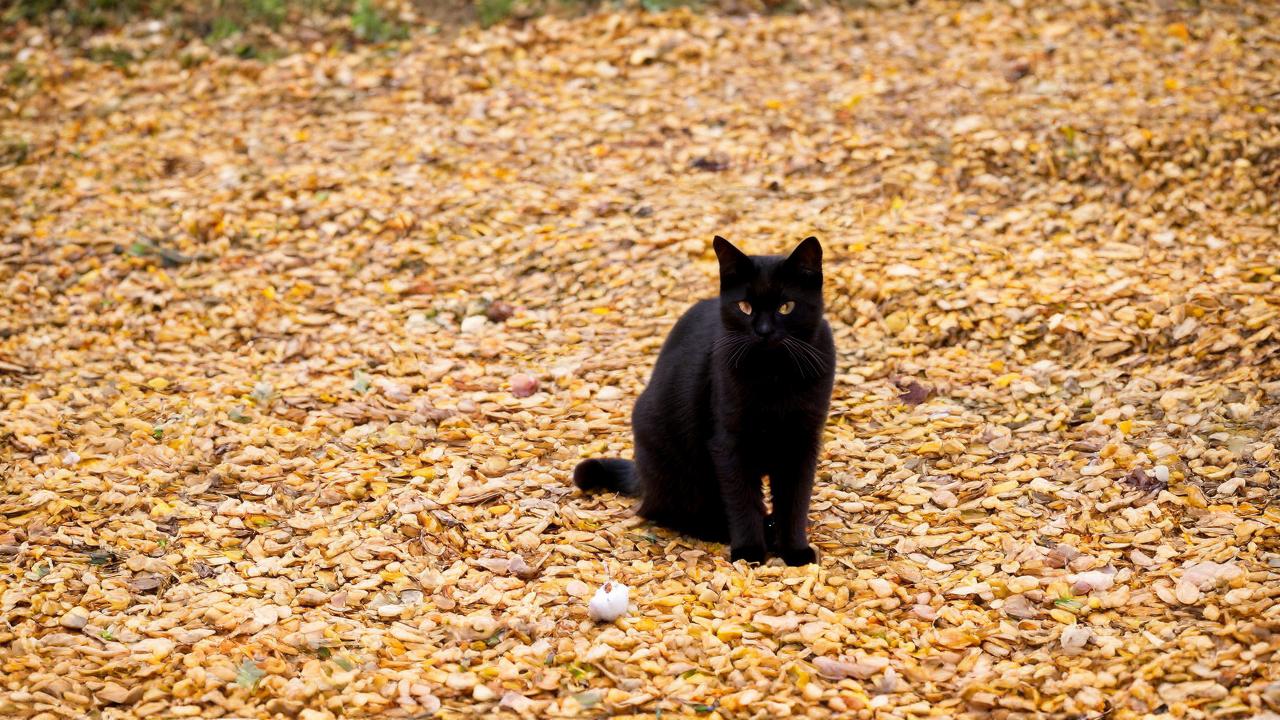
The Sudden and Unexplained Shift in Global Cat Population Dynamics and Its Disproportionate Impact on Rural American Communities' Taxation Policies
In a world where the unpredictable is always just around the corner, one can't help but wonder what the next big thing will be. Will it be robots taking over our jobs? Aliens invading Earth? Or perhaps cats suddenly growing an extra limb and demanding more treats from their owners? Well, buckle up folks, because this time it's not robots or aliens we're dealing with – it's a global cat population shift that's left rural American communities reeling.
For the uninitiated, what seems to be happening is that cats everywhere are multiplying at an alarming rate. It started innocently enough, with reports of stray cats being spotted in urban centres around the world. But as the weeks went by, it became clear that something was amiss. The feline population had not only exploded, but it seemed to be doing so at an exponential rate.
Now, you might think that this is a good thing – I mean, who doesn't love cats? But the thing is, rural American communities are feeling the pinch. With more cats than ever before comes the added pressure of caring for them. It's not just about feeding and watering, either – no, these cats require an army of cat sitters to ensure they're receiving the proper level of worship.
This has led to a bit of a kerfuffle in rural America, where local governments are struggling to keep up with the sheer number of felines in their midst. And that's where taxation comes in. With all these extra cats comes an added burden on taxpayers – think litter boxes, catnip, and (of course) more cat food than you know what to do with.
But here's the thing: it's not just about the practicalities of caring for cats; it's also about the emotional toll it takes on rural communities. You see, these cats have a way of getting under your skin – they're like tiny little dictators, demanding attention and affection on their own terms. And when you add to that the stress of dealing with an exploding feline population, you get a recipe for disaster.
Take the small town of Pecanville, USA for example. This charming community was once known for its peaceful country roads and quaint Main Street. But then, something strange happened. The cats started coming. At first, it was just a few strays that wandered into town, but soon the whole place was overrun with felines. It's not uncommon to see a cat perched on the shoulder of the local baker, or two lounging in the middle of the main square.
Now, Pecanville's residents are at their wit's end. The town council has been forced to establish a special Cat Taxation Department (CTD) to deal with the influx of felines. It's a bit like a tiny little IRS, but instead of collecting taxes on your income or property, they're collecting cat treats and belly rubs.
But the CTD isn't just about collecting revenue; it's also about maintaining social order. You see, when you've got a large number of cats in one place, things can get a bit out of hand. There have been reports of feline territorial disputes, catnip-fueled bar fights, and even the occasional cat-astrophic collision (it's a real thing, folks).
So what's behind this sudden and unexplained shift in global cat population dynamics? No one knows for sure – but experts are speculating about everything from climate change to catnip addiction. Some say it's a result of increased feline intelligence, while others claim it's just the result of cats getting bored with their usual routine of napping and pestering humans.
Whatever the reason, the effects on rural American communities are undeniable. As one resident of Pecanville put it: We're not sure what we did to deserve this, but I'm pretty sure we'll be paying for cat food for the rest of our lives.
In conclusion, while a sudden and unexplained shift in global cat population dynamics may seem like a silly topic on its face, the reality is that it's having a disproportionate impact on rural American communities. So the next time you see a stray cat wandering down your street, remember: they might just be the tip of the iceberg.
It's worth noting, however, that not all cats are created equal. Some breeds seem to be more resistant to the effects of global feline population shift than others. For example, the laid-back Sphynx breed seems to be doing relatively well under these circumstances, while more high-strung breeds like the Siamese seem to be getting a bit worked up.
But hey, at least it's not all bad news. As one enterprising cat owner pointed out: If we're going to have an exploding feline population, might as well make hay while the sun shines – or in this case, while the cats are napping.
After all, when life gives you lemons, make lemonade. And when life gives you a global cat population shift, make... well, that's still being worked out.
One thing is for sure: rural America will never be seen as boring again. With an estimated 10 million stray cats now roaming the countryside, things are about to get real – and we're not just talking about the felines themselves.
So if you ever find yourself in Pecanville or any other similarly afflicted town, just remember: when it comes to dealing with a global cat population shift, the saying you can't make this stuff up is definitely going to need to be revised.
And who knows? You might even catch a glimpse of a feline in disguise – you know, one that's been sneaking around under the radar until now. They call it 'cat-astrophic' thinking, but I like to call it 'just trying to make sense of things.'
In any case, if you're ready for a wild ride full of cat hair, whiskers, and unexpected tax bills, then strap yourself in, folks – the feline revolution is here.