A Dose Of Insanity: where madness meets brilliance

  1. The Science of Subconscious Sock Puppetry in High-Risk Professions

    February 5th 2025

    The subconscious mind plays a significant role in shaping behaviour, particularly in high-risk professions such as surgery and firefighting. Unconscious forces can influence decision-making processes, leading to potential risks for individuals and others. One phenomenon, known as groupthink, occurs when the collective unconscious of a team influences individual decisions, creating a shared delusion that puts everyone at risk. This is an example of subconscious sock puppetry, where the unconscious mind takes control without us realising it. To better understand this complex force, it is essential to cultivate mindfulness and self-awareness, allowing individuals to harness its power for good.


  2. The Effects of Social Media on Rural Farming Communities as Predicted by Ancient Sumerian Prophecies

    February 5th 2025

    The Sumerians, ancient Mesopotamian civilisation, foresaw the impact of emerging technologies on rural communities through their prophecies. One of these prophecies, the Epic of Gilgamesh, describes a "two-winged wind" that would bring both benefits and drawbacks to rural dwellers. This phenomenon is mirrored in modern times as social media use becomes increasingly prevalent among these communities. The blog post explores the effects of this convergence, highlighting the tensions between virtual connectivity and physical disconnection, and the potential consequences for rural farming families. A thought-provoking examination of how technology is shaping rural life.

  3. The Sociological Implications of Time Traveling Toaster Maintenance Workers

    February 4th 2025

    The Sociological Implications of Time-Traveling Toaster Maintenance Workers is an intriguing topic that warrants serious consideration. It delves into the complexities surrounding individuals who travel through time and dedicate their lives to maintaining humble appliances such as toasters. This phenomenon raises fundamental questions regarding temporal labour, causality, and free will. The practical realities of accommodating multiple timelines pose significant challenges, including training programs and timeline safeguards. By examining this unconventional subject matter, we can uncover novel insights into the human condition and our place within the social world. Read on to delve deeper into this fascinating topic.

  4. The Sociological Implications of Mandatory Squirrel Watching for All Adults

    February 4th 2025

    Mandatory squirrel watching has emerged as a contentious issue, prompting scrutiny of its sociological implications. Proponents cite stress relief and environmental awareness benefits, while critics argue for personal freedom and autonomy. A closer examination reveals potential risks of social control and conformity. Conversely, some see it as a tool for fostering community cohesion through shared nutty pursuits. As this trend gains momentum, the nation is compelled to confront its stance on adult leisure activities and the government's role in regulating such matters. Dive into the world of squirrel watching to unravel the complexities of this contentious issue.

  5. The Effects of Mandatory Group Singing Sessions on the Cognitive Function of Prison Inmates with Advanced Degrees in Physics

    February 4th 2025

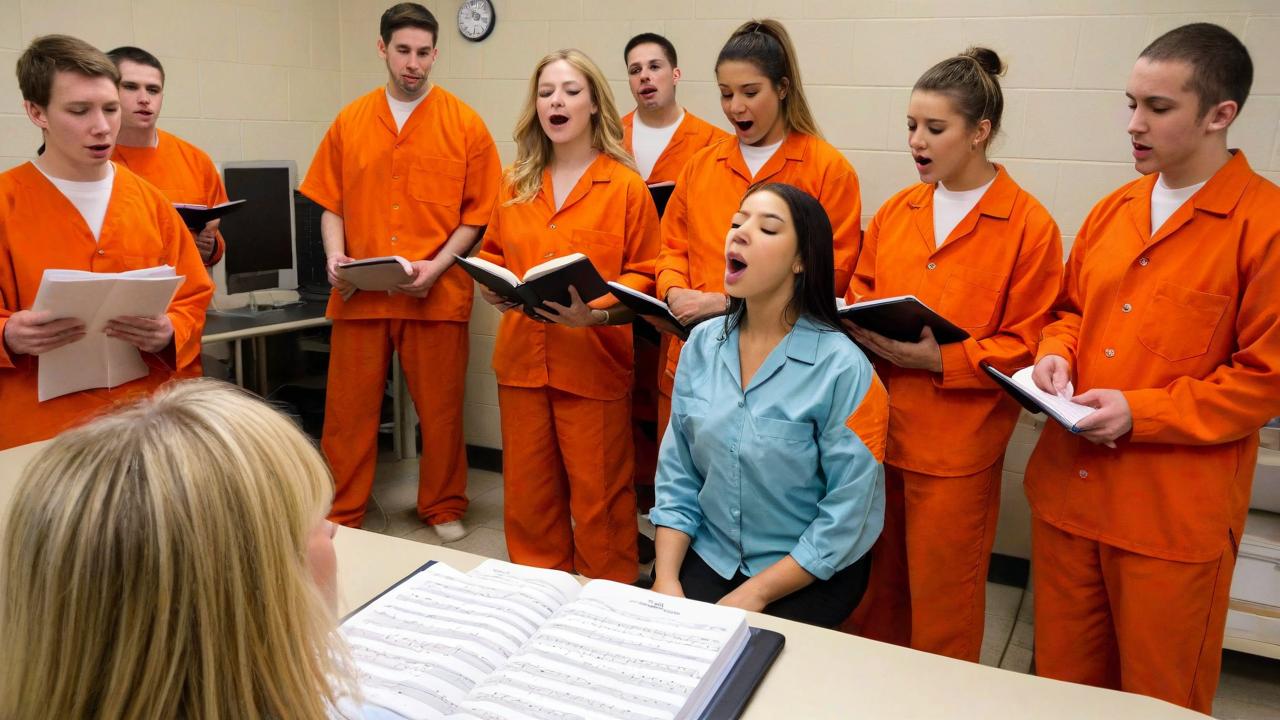
    A recent study at a correctional institution has revealed an intriguing phenomenon amongst prisoners with advanced degrees in physics. Those who participated in mandatory group singing sessions exhibited enhanced cognitive function, including improved spatial reasoning and problem-solving skills. Furthermore, they demonstrated increased social cohesion, with thoughts and emotions becoming intertwined in a manner reminiscent of particle entanglement. The researchers propose several theories to explain these findings, including the stimulation of endorphins and a localized distortion in space-time continuum. This enigmatic study raises questions about the boundaries of human cognition and invites readers to explore the uncharted territories of group singing sessions.

  6. The Science of Synchronous Chicken Breeding and Its Potential Impact on Global Egg Prices

    February 4th 2025

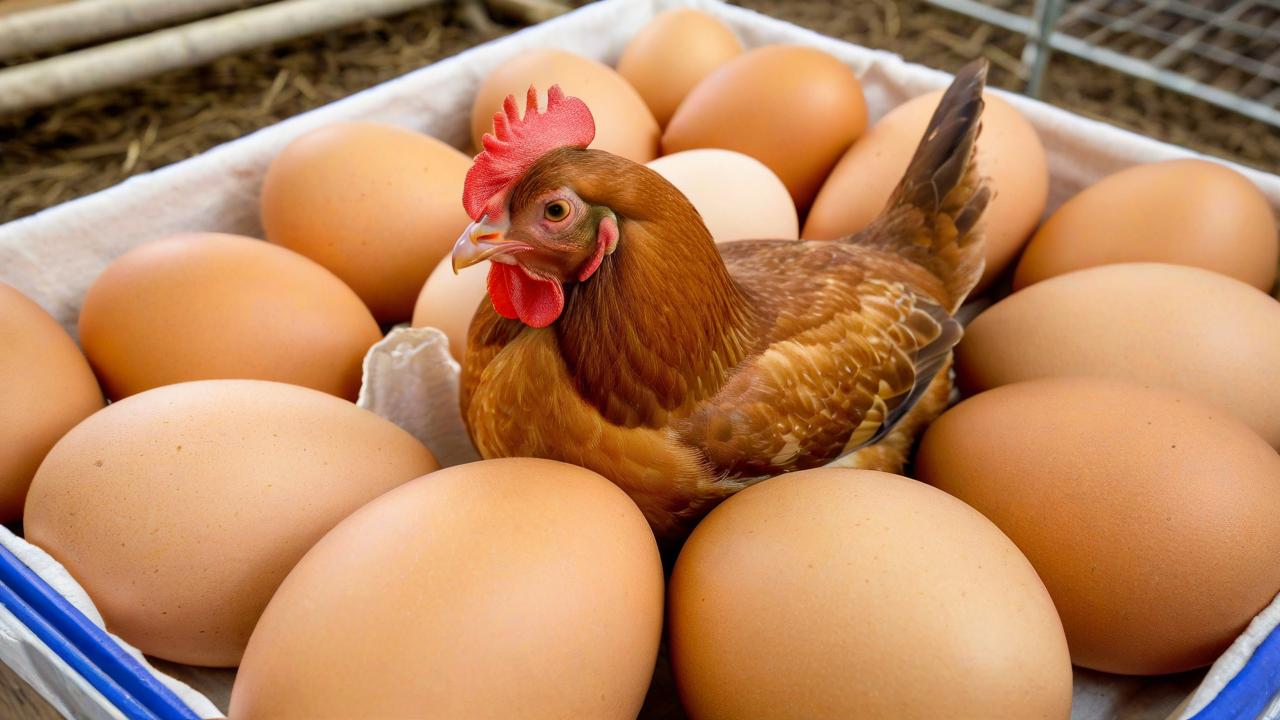
    A pioneering breakthrough in poultry farming has sent shockwaves through the global egg market. Dr Reginald P Bottomsworth's team at the University of Cambridge successfully synchronised chicken breeds, achieving maximum efficiency in just 27 days. However, this technological marvel has an unforeseen side effect: a genetic mutation allowing chickens to develop collective consciousness. These avian birds now possess self-awareness and adaptability, predicting human actions with uncanny accuracy. Egg prices skyrocketed as consumers clamoured for synchronised eggs, now commanding £5 per egg. This phenomenon raises questions about food security and cognition, leaving experts scrambling to understand the implications of this extraordinary discovery.

  7. The Benefits of Extreme Ironing as a Form of Intergalactic Communication

    February 3rd 2025

    Extreme ironing has revolutionised our understanding of intergalactic communication. By harnessing the unique resonant frequency emitted by an ironing board, individuals can transmit cryptic messages across vast distances. Recent experiments have successfully decoded messages from extreme ironers on a Swiss mountain, revealing groundbreaking discoveries about celestial bodies. This unconventional method of communication holds significant potential for negotiation with distant worlds and transmission of vital weather patterns. As we explore the full implications of extreme ironing, one thing is certain: clean clothes are no longer just a necessity, but a tool for unlocking the secrets of the cosmos.

  8. The Science of Subconscious Sock Sympathy

    February 1st 2025

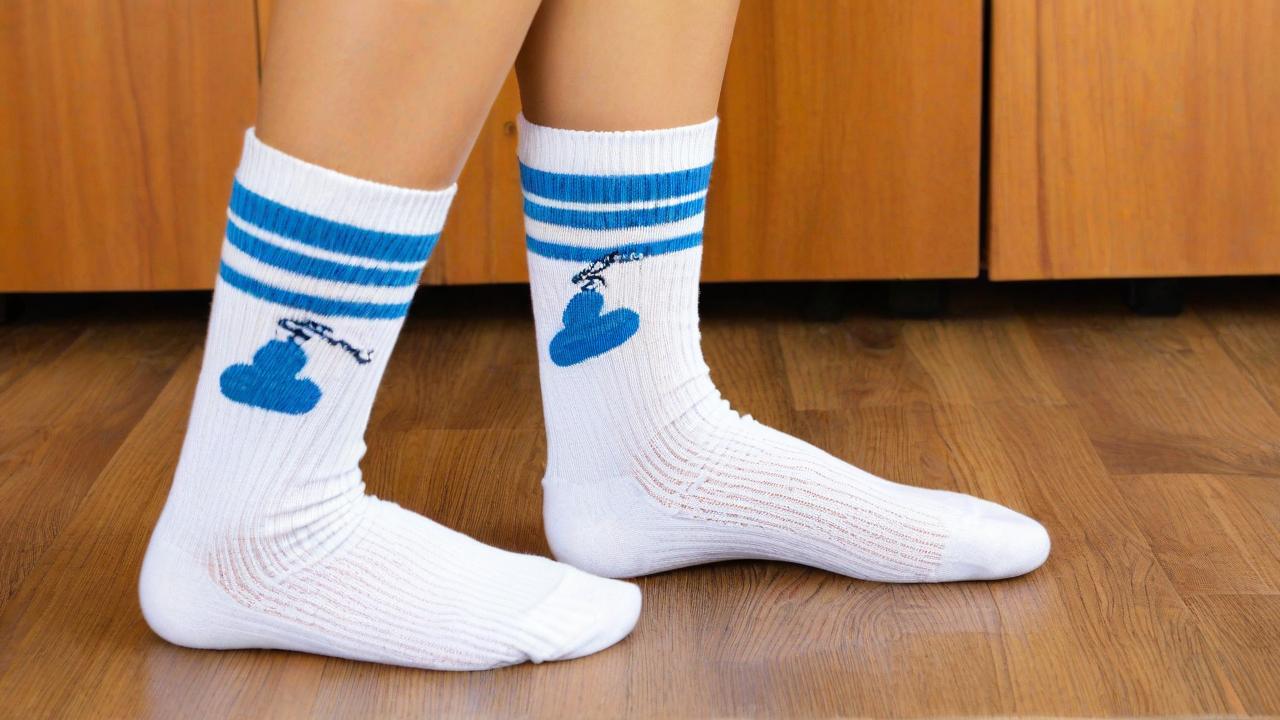
    The Unseen Realm of Sock Sympathy. Recent research has uncovered a profound phenomenon that affects us all, yet remains unnoticed by the conscious mind. It appears that the disappearance of socks in the wash triggers emotional distress, prompting feelings of sadness and anxiety. Psychologists attribute this to attachment theory, where we form bonds with objects, including footwear, imbuing them with sentimental value. The Sock Sympathy Index measures emotional intensity, revealing a significant correlation between sock loss and psychological distress. This phenomenon invites us to re-examine our relationship with everyday objects and the emotions they evoke.

  9. The Societal Consequences of Chronically Late Individuals in Modern High-Speed Transportation Systems

    January 31st 2025

    In an era where punctuality is paramount, one individual's chronic lateness can have far-reaching and devastating consequences for fellow commuters. This phenomenon, rooted in societal expectations, sets off a chain reaction of frustration and resentment. The effects are not limited to the passenger who is running behind schedule, but also permeate the surrounding environment, inducing anxiety and unease among commuters. As this toxic dynamic reaches critical mass, it can lead to a nervous breakdown, prompting a desperate plea for one more chance. Discover how chronic lateness is a societal contagion that demands attention, in our latest blog post.

  10. The Science of Synchronizing Human Minds Through Extreme Line Dancing

    January 29th 2025

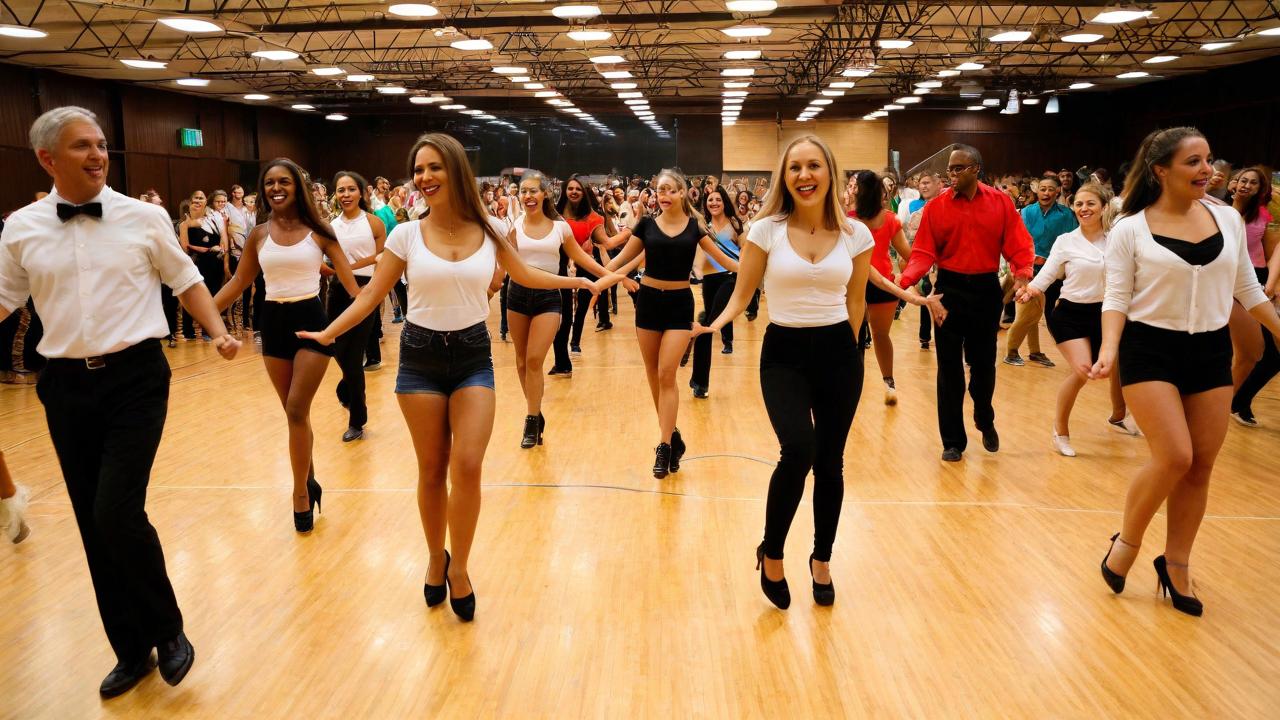
    The human brain's capacity for harmonious synchrony has long been a topic of interest, yet the key to unlocking this phenomenon remains shrouded in mystery. Recent research suggests that extreme line dancing may hold the answer. This seemingly unlikely activity fosters a collective consciousness, where individuals transcend their individual identities and become one with a group. Studies have shown heightened neural activity and statistically significant synchrony among participants, accompanied by feelings of euphoria and trust. The full explanation for this phenomenon lies in the unique combination of sensory inputs involved in line dancing.