The effects of excessive participation in urban beekeeping on the societal implications of spontaneous flamenco dance outbreaks among elderly accountants
Thu, 05 Mar 2026 09:00:14 GMT
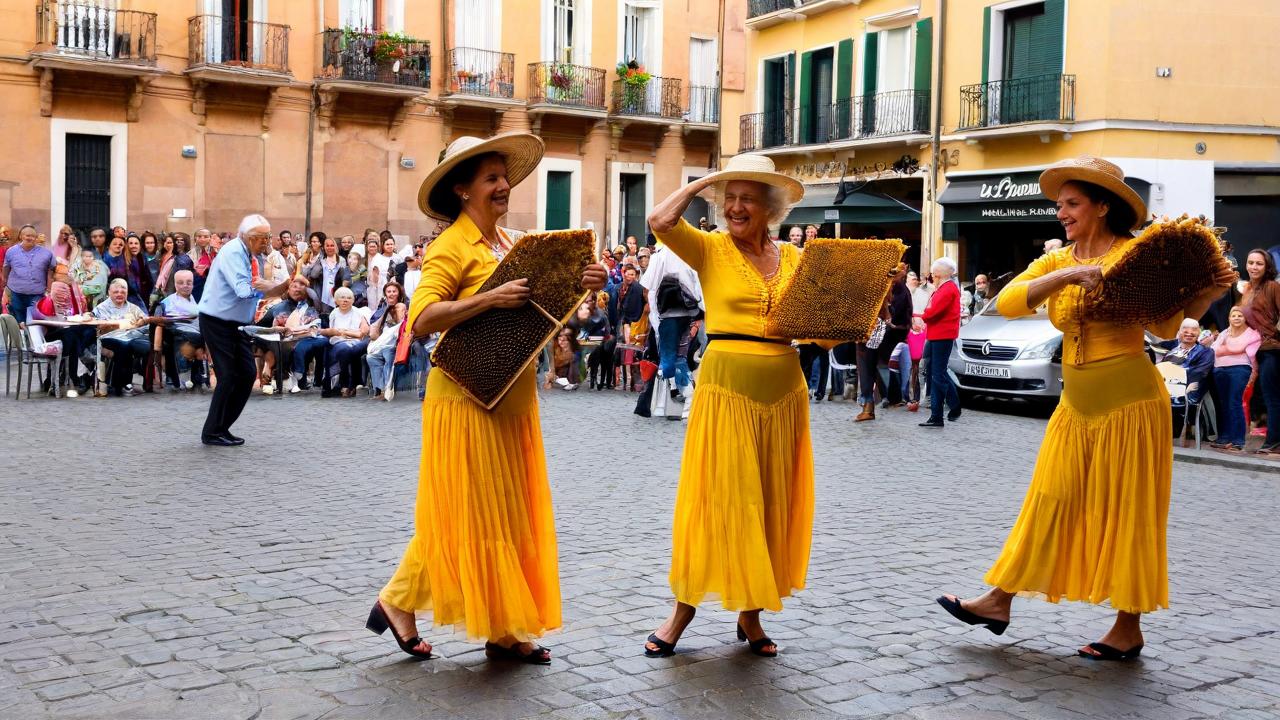
The Sudden Onset of Flamenco in the Elderly Accounting Community: An Exploration of the Unforeseen Consequences of Urban Beekeeping
As we navigate the complexities of modern urban life, it's easy to overlook the subtle yet profound effects of our daily activities on those around us. Take, for instance, the practice of urban beekeeping. On the surface, it appears to be a harmless hobby, providing a connection with nature and a sense of community among enthusiasts. However, as we delve deeper into the world of urban beekeeping, we begin to uncover a web of interconnected threads that lead us down a rabbit hole of unexpected consequences.
It starts innocently enough. Beekeepers, eager to share their passion with others, begin attending local community events and offering workshops on the art of apiculture. The elderly accountant, in particular, seems drawn to this newfound fascination. Perhaps it's the methodical nature of beekeeping, which resonates with the accountant's love of numbers and order. Or maybe it's the sense of community that comes with working alongside like-minded individuals, all united by their love of honey and the buzz of the hive.
Whatever the reason, as the elderly accountants begin to participate in urban beekeeping workshops, a peculiar phenomenon starts to manifest itself. Without warning, they begin to break into spontaneous flamenco dance outbreaks. It's not just a few enthusiastic individuals; it's an entire generation of elderly accountants, suddenly overcome with an uncontrollable urge to perform intricate footwork and dramatic hand gestures.
At first, the beekeepers are perplexed, unsure how to react to this sudden development. Some attempt to intervene, offering words of encouragement or trying to guide their colleagues back to more mundane activities. Others, however, take a step back, observing the spectacle with a mix of fascination and trepidation.
It's as if they've been infused with the spirit of Carmen Amaya, remarks one bemused beekeeper, referencing the legendary Spanish flamenco dancer. But instead of passion and fire, it's more like... um, tax season?
As the phenomenon spreads, urban beekeeping workshops become hotbeds of flamenco activity. Beekeepers find themselves dodging fluttering skirts and attempting to keep pace with the energetic footwork as their colleagues leap into spontaneous routines. It's not uncommon to see a group of elderly accountants performing an impromptu Malagueña in the middle of a community garden, surrounded by bewildered passersby.
Despite initial reservations, some beekeepers begin to capitalize on this newfound talent. Local event planners start booking flamenco performances at weddings and corporate functions, capitalizing on the unique appeal of elderly accountants tapping their feet with reckless abandon.
It's a marketing dream come true, gushes one enthusiastic promoter. Who needs young, edgy performers when you have retired number-crunchers shaking their hips like they're in Seville?
However, not everyone is pleased with this turn of events. Local authorities begin to grapple with the logistics of permitting flamenco performances in public spaces. Some accountants, still struggling to reconcile their love of beekeeping with their new passion for flamenco, find themselves at odds with the government.
We're trying to preserve a traditional art form, insists one disgruntled accountant. Not turn our community center into a giant dance party.
As tensions rise, researchers from various fields begin to take notice. Anthropologists study the phenomenon, searching for clues on how this sudden development might be linked to broader cultural trends or socioeconomic factors. Sociologists attempt to identify underlying causes, hypothesizing that the stress of modern life might be contributing to the emergence of this unique behavior.
Meanwhile, beekeepers continue to marvel at the sheer unpredictability of it all. You'd think we're dealing with a rare species of bee, remarks one apiculturist, shaking her head in wonder. But no, it's just our elderly accountant friends having a flamenco party.
In an effort to better understand this complex phenomenon, some researchers turn to the world of psychology. They interview elderly accountants, hoping to identify common threads or underlying motivations that might explain their sudden love of flamenco.
I think it's because we've finally found something that makes us feel alive, confesses one participant. After years of staring at spreadsheets and crunching numbers, it's like our bodies are saying, 'Enough with the tax returns! Time for a dance party!'
The results are intriguing, to say the least. It appears that many elderly accountants have been secretly harboring a passion for flamenco, waiting for the perfect moment to express themselves.
And then, it just happened, smiles one researcher, shaking her head in amazement. I guess you could say they found their 'honey' – the key to unlocking their creative potential.
As we delve deeper into this strange and wondrous world, we begin to realize that even the most mundane activities can hold hidden depths and unexpected consequences. Urban beekeeping, once a quiet hobby, has become a catalyst for something far more extraordinary: the spontaneous flamenco dance outbreaks of elderly accountants.
It's a phenomenon that challenges our assumptions about age, creativity, and the human spirit. Who knew that beneath the surface of a spreadsheet lay a fiery passion for flamenco? And who knows what other secrets lie hidden in the world of urban beekeeping?
One thing is certain: this is a story we'll be watching with bated breath as it unfolds. Will our elderly accountant friends continue to tap their feet and shake their hips, spreading joy and confusion wherever they go? Only time will tell.
But for now, let's just sit back, enjoy the show, and marvel at the sheer absurdity of it all. After all, who needs sanity when you can have flamenco-dancing accountants in a world gone utterly mad?
As we wrap up our exploration of this surreal phenomenon, it's essential to acknowledge that there are many unanswered questions still lingering on the periphery. What triggers this sudden onset of flamenco? Is it something in the bees themselves, or perhaps a result of some unknown environmental factor? And what happens when an elderly accountant reaches peak flamenco status – do they begin to lose their identity as number-crunchers altogether?
While these questions remain unanswered, one thing is clear: urban beekeeping has opened our eyes to a world of unexpected possibilities. It's a reminder that even in the most mundane of activities lies hidden potential for creativity, passion, and sheer, unadulterated joy.
So next time you're tempted to dismiss an elderly accountant as just another number-crunching bore, remember: they might be secretly harboring a flamenco-loving soul, waiting for the perfect moment to break free from their spreadsheets and tap their feet with reckless abandon.
And who knows? Maybe one day we'll see a whole troupe of senior accountants performing an epic flamenco routine at a major accounting convention. Stranger things have happened in this strange, wild world we inhabit.
The final question on our minds is: what's next for urban beekeeping and the world of elderly accountants-turned-flamenco-dancers? Will they continue to tap their feet, shake their hips, and spread joy throughout the community? Or will they find new ways to express themselves, leveraging their accounting skills to create innovative flamenco routines?
As we ponder this question, one thing is clear: urban beekeeping has opened our eyes to a world of endless possibility. And who knows what other unexpected surprises lie hidden beneath the surface of our quiet, everyday lives?