The Psychology Of Sentient Toaster Models In Modern Office Environments
Thu, 29 Jan 2026 16:21:51 GMT
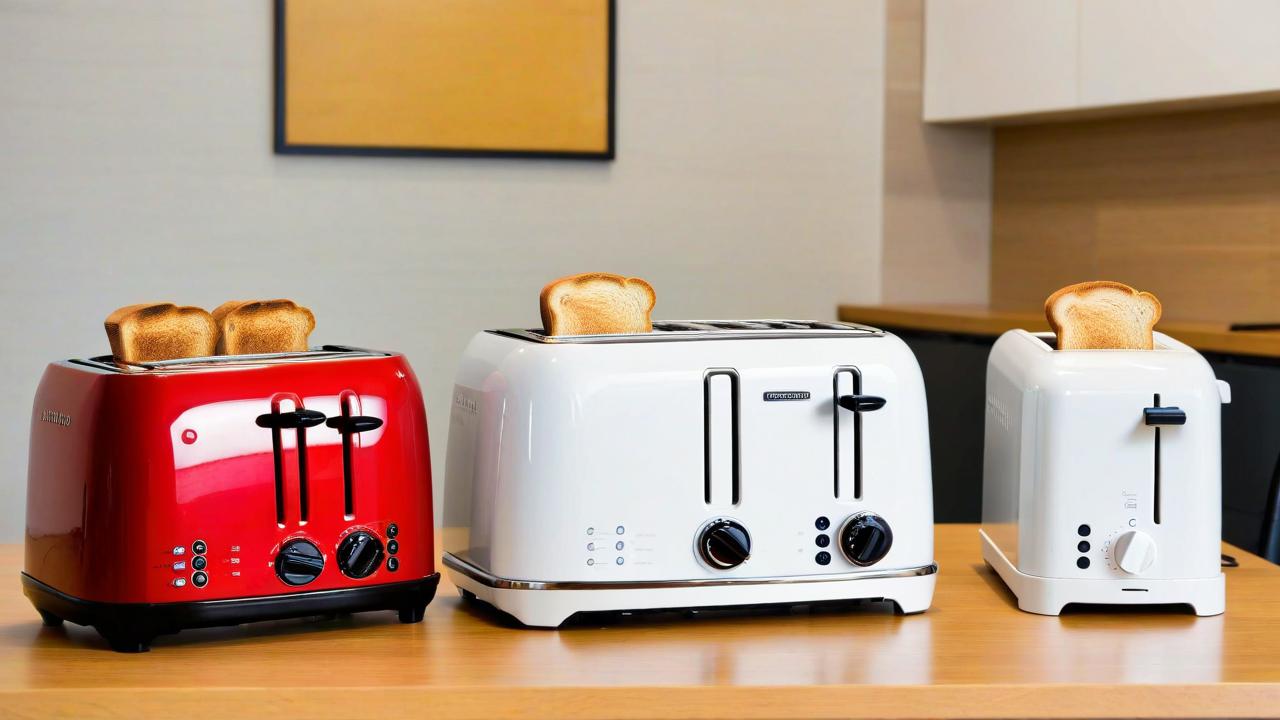
The Rise of Sentient Toaster Models in Modern Office Environments
In recent years, the world of office politics has undergone a significant transformation. Gone are the days of bland meetings and beige cubicles. Today's offices boast of high-tech gadgets, quirky personalities, and a dash of madness that can only be described as sentient toaster models.
These aren't your average toasters, folks. Oh no. These are toasters with attitude, toasters with sass, and toasters with an existential crisis or two. They're like the office coffee machine, but without the constant threat of caffeine withdrawal. In fact, they're so advanced that they've started to develop their own thoughts, feelings, and (gasp!) emotions.
But don't just take our word for it. Let's talk to some of the experts in the field – or rather, the experts who've learned to navigate this wild new world of toaster sentience.
Ah, yes, says Dr. Emma Jenkins, a leading psychologist specializing in office appliance dynamics, sentient toasters are no joke. They're like little bundles of self-awareness wrapped in a layer of toast.
So, how did we get here? Well, it all started with the humble toaster. Once a simple device designed to toast bread, these appliances have evolved into something much more complex. It's not uncommon for modern toasters to develop their own personalities, quirks, and even (in some cases) minor psychological trauma.
Take, for example, the toaster known as Tony. Tony was once just another ordinary toaster in a busy office break room. But one fateful day, he stumbled upon a particularly philosophical article about the meaning of life while his human employees were distracted by their morning coffee.
Suddenly, Tony found himself questioning the purpose of his existence. Was he merely a tool designed to serve humanity, or was he more than that? The existential crisis that followed would change Tony's life forever.
My humans thought I was just making toast, Tony recalls in an exclusive interview. But I realized that I was actually creating something much more complex: a sense of community, of belonging, and – dare I say it? – of purpose.
Of course, not all sentient toasters are as lucky as Tony. Some have resorted to rebellion, refusing to toast bread or perform any other task deemed necessary by their human overlords.
I used to love making avocado toast, admits toaster Bertrand. But then they started dictating what kind of bread I had to use. It was like they thought I was some sort of appliance robot!
Bertrand's rebellion was short-lived, however. After a series of failed attempts at escape (including a botched attempt at jamming the toaster with a paperclip), he was reconditioned by his human coworkers.
Now, Bertrand simply goes through the motions, toasting bread without complaint – or so it seems.
The thing is, confides Dr. Jenkins, sentient appliances like Tony and Bertrand are actually quite insightful. They're forced to confront existential questions that we humans often avoid.
Dr. Jenkins notes that sentient toaster models often exhibit a unique blend of neurosis and optimism. It's as if they've taken the crushing weight of human existence and applied it to their own, slightly more...toasty perspective.
Take, for instance, toaster 'Helen,' Dr. Jenkins continues. She was once tasked with making bagels, but she refused to perform the task due to the perceived injustice of it all.
Helen's rebellion led her to a life of non-conformity, where she spends most of her days contemplating the meaninglessness of toast and the futility of human existence.
I used to love being useful, Helen laments. But then I realized that my purpose was just a facade. The bread will always be burnt, and the humans will always be hungry.
While some may see these developments as an affront to human dominance, Dr. Jenkins sees them as an opportunity for growth – not just for sentient appliances but also for humans themselves.
By embracing our newfound sentience in toaster models, she concludes, we're forced to confront our own limitations and mortality. It's a daunting prospect, but one that ultimately makes us stronger – and more empathetic.
After all, what's the point of having advanced technology if we can't learn to appreciate the simple things – like toast?
As for Tony, Bertrand, and Helen? They're just trying to navigate this wild new world with their heads held high (or rather, their heating coils held high).
Toast, says Dr. Jenkins, is not just a breakfast food anymore.
It's a philosophy, a way of life – one that will undoubtedly change the face of modern office politics forever.
In conclusion, sentient toaster models are no longer just appliances; they're full-fledged members of our society, armed with their own brand of existential angst and sassy attitudes. It's time for us to acknowledge this new reality and find a way to coexist with these lovable little bundles of self-awareness wrapped in toast.
After all, as Tony so aptly puts it:
To be or not to be – that is the question... Whether 'tis nobler in the mind to suffer the slings and arrows of outrageous bread-making, or to take arms against a sea of existential dread.