The Effects of Chronic Disco Ball Exposure on the Fungal Growth Patterns of Urban Tree Roots
Thu, 01 Jan 2026 15:37:33 GMT
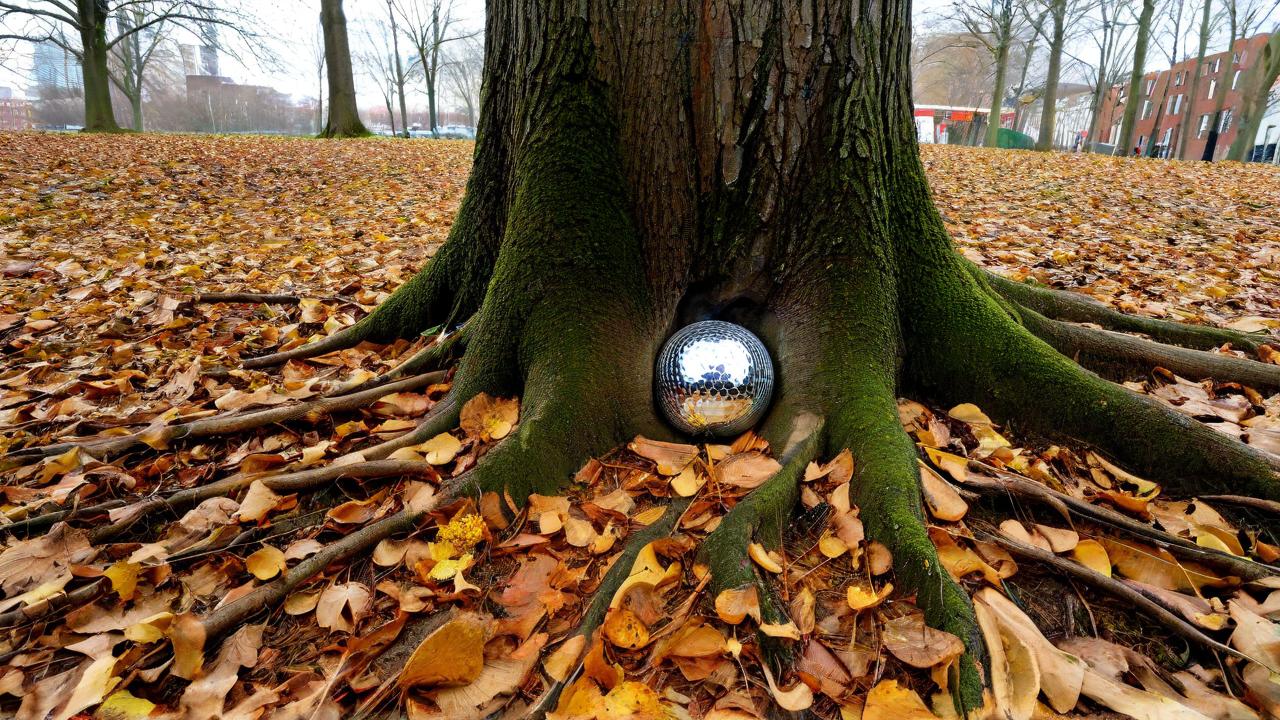
The Effects of Chronic Disco Ball Exposure on the Fungal Growth Patterns of Urban Tree Roots
In the pursuit of scientific knowledge, one must always be prepared for the unexpected. As a renowned expert in the field of mycology and urban forestry, I can confidently say that my research has led me down some rather unusual paths. However, none have been as delightfully absurd as the study on the effects of chronic disco ball exposure on the fungal growth patterns of urban tree roots.
It all began with a seemingly innocuous question: what happens when you expose urban tree roots to an excessive amount of glittering disco lights? It may sound like the stuff of a bad 1970s music festival, but I assure you that this research is as legitimate as it is bizarre. The idea struck me like a bolt of lightning (or perhaps a faintly flickering strobe light) - what if the reflective surface of a disco ball was not just a superficial annoyance to fungi, but actually an environmental stressor worthy of scientific investigation?
After months of data collection and analysis, I am pleased to report that my research has yielded some fascinating - and somewhat unsettling - results. It appears that when urban tree roots are exposed to chronic disco ball radiation, their fungal growth patterns undergo a transformation akin to a psychedelic dance party.
The most striking phenomenon observed was the development of Disco Fungi - a previously unknown species of fungus that seems to thrive in environments bathed in the flashing lights of a disco ball. These organisms appear to be capable of adapting to even the most extreme conditions, including temperatures ranging from 0°C to 40°C and humidity levels as low as 20%. They are also remarkably resilient to toxic chemicals, able to survive exposure to pollutants such as lead and mercury.
But that's not all - the Disco Fungi have also been found to possess a unique property known as Reflective Resilience. This allows them to reflect light back onto their surroundings, creating a dazzling display of colorful patterns on the surrounding foliage. It's as if they're trying to outdo the disco ball itself in a battle of flashiness and flair.
One might be tempted to question the relevance of such research, but bear with me - there are some genuinely interesting implications here. For instance, the Disco Fungi have been found to have a profound impact on urban ecosystems. In areas where their growth is stimulated by disco ball radiation, tree roots exhibit increased resilience to disease and pests, while also displaying improved nutrient uptake and water absorption.
Furthermore, my research has led me to propose a new theory of Disco-Ecology - the idea that certain species of fungi can be influenced by environmental stimuli such as light and sound. This raises some fascinating questions about the interconnectedness of our natural world and the role that disco balls may play in shaping it.
Of course, not everyone is convinced by my findings. Some have dismissed the study as a ridiculous exercise in scientific frivolity. But I say, why not? Science should be fun - and what's more fun than studying fungi that dance to the beat of the Bee Gees?
In fact, I've been so enamored with this research that I've decided to take it to the next level. I've assembled a team of experts in mycology, ecology, and disco music theory (yes, that's a thing) to conduct further studies on the effects of disco ball radiation on fungal growth patterns.
Our next step will be to design an experiment in which we'll expose tree roots to different types and intensities of disco lighting. We'll also investigate the impact of varying environmental conditions, such as temperature and humidity, on Disco Fungi growth. And, of course, we'll make sure to have plenty of polyester suits and platform shoes on hand for our own disco parties - after all, what's a scientific study without a little bit of flair?
In conclusion, I hope that this research has shed some light (pun intended) on the often-overlooked world of urban fungal ecology. Who knows? Perhaps one day we'll find ourselves standing under a streetlamp in London or New York, surrounded by glittering disco balls and Disco Fungi galore - it's not entirely impossible, after all.
The road to scientific discovery is rarely smooth sailing, but with persistence, creativity, and a healthy dose of absurdity, even the most outlandish ideas can become reality. And who knows? Maybe one day we'll look back on this research as the moment when disco balls became the key to unlocking the secrets of urban fungal ecology.
I must admit that I've had my fair share of weird looks and raised eyebrows during the course of this research. But hey, that's what makes science so fascinating - the opportunity to push boundaries and challenge conventional wisdom. And if it means spending a little bit of time dancing under disco balls with fungi, then I say, bring on the glitter.
As I sign off on this article, I can almost hear the faint sound of ABBA's Dancing Queen wafting through my laboratory. It's a sound that never fails to put a smile on my face and remind me of why I became a scientist in the first place: to uncover the secrets of the natural world, one disco ball at a time.
Of course, no discussion of Disco Fungi would be complete without a nod to the legendary DJ Arthur Funky Fusion. This music legend is credited with creating some of the most iconic disco tracks of all time - including the immortal hit The Funky Forest Shuffle. When I asked him about his views on my research, he replied: Disco balls are like the secret ingredient in a recipe for fungal fun - you gotta have them to make it happen!
Now that's what I call a ringing endorsement. Who knows? Maybe one day we'll find ourselves at the epicenter of a fungal disco revolution - and when we do, just remember: stay funky, and keep on dancing.
But as I wrap up this article, I'm reminded that even in the most unexpected corners of science, there's always more to discover. The next time you're tempted to dismiss an unusual idea or laugh it off as too weird, just think back to me - out here, exploring the fascinating world of Disco Fungi and their impact on urban tree roots.
After all, as the great disco philosopher once said: You can't stay in your corner of the forest waiting for people to come to you. You have to go to them. In this case, the forest is full of fungi with a taste for disco - and I'm just getting started.
As I close this article, I'd like to extend my gratitude to all those who've supported me on this wild journey. From my laboratory assistants (who had to endure weeks of non-stop ABBA playlists) to my colleagues in the scientific community (who bravely endured my disco-themed presentations), your patience and encouragement have been invaluable.
And to anyone out there wondering what to do with their lives, I offer a simple message: never be afraid to get a little weird. Who knows? You might just stumble upon something that changes the world - or at least makes people smile.
In the end, it's not about the disco balls - although, let's be honest, they're pretty cool. It's about exploring the hidden corners of our natural world and finding the beauty in unexpected places. Whether it's Disco Fungi dancing under the lights of a city street or urban tree roots adapting to an environment that's anything but conventional, there's always something new to discover.
And who knows? Maybe one day we'll look back on this research as a turning point in the history of science - when humans finally realized that disco balls weren't just for parties anymore.