The Unsettling Consequences of Mandatory Sock Pairing Policies on Global Economic Development
Sun, 08 Mar 2026 09:04:25 GMT
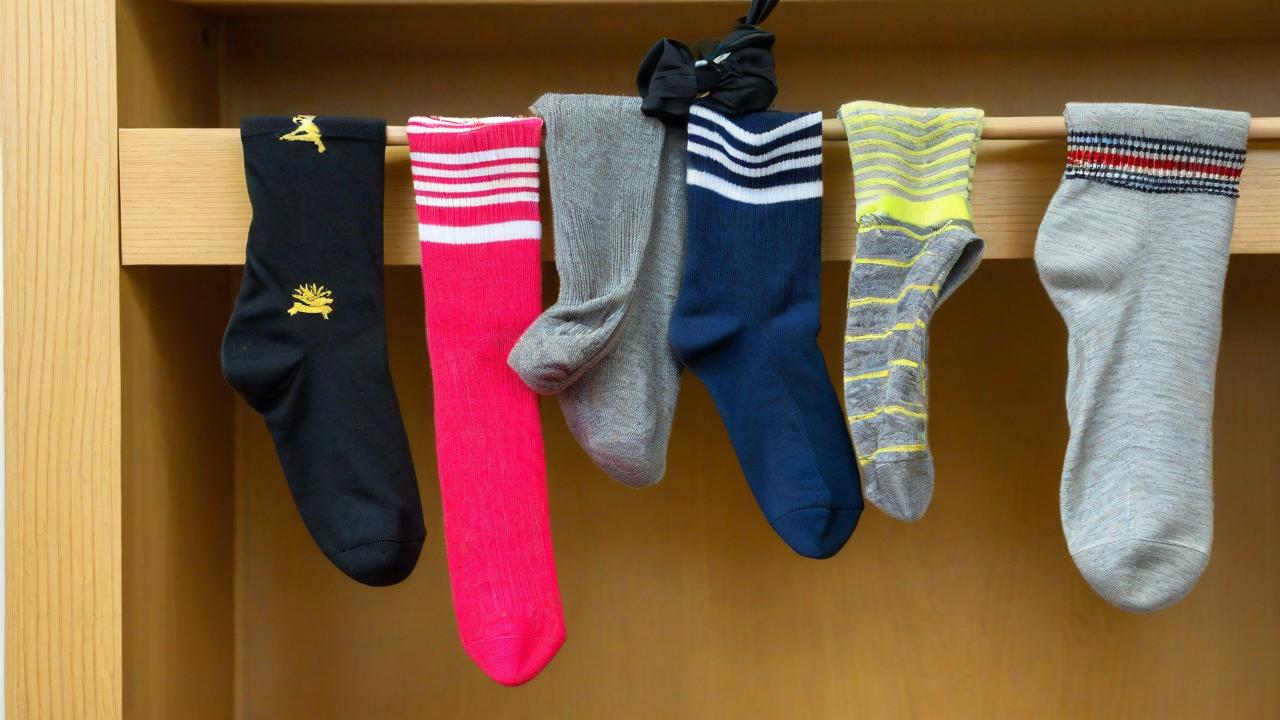
The world of global economic development is a complex one, full of twists and turns that can leave even the most seasoned economists scratching their heads. But, dear reader, I'm here to tell you about a phenomenon so bizarre, so confounding, that it defies explanation. It's a policy so draconian, so cruel, that it's a wonder it hasn't brought the entire global economy crashing down around our ears.
You see, in recent years, certain governments have seen fit to implement mandatory sock pairing policies on their citizens. Yes, you heard me right – socks are now being forcibly matched and sold to the highest bidder. It may sound like the stuff of science fiction, but bear with me, dear reader, as I take you on a journey into the heart of this absurd policy.
The reasoning behind such a policy is simple: it's an attempt to stimulate global trade. You see, socks are a staple item in many countries around the world, and by forcing citizens to pair them, governments hope to create a surplus of matching socks that can be exported to other nations, thereby stimulating economic growth.
But, as we all know, things don't quite work out that way. For one thing, the sheer volume of socks being produced and sold is staggering. We're talking billions upon billions of pairs, each one carefully matched and packaged for export. It's a logistical nightmare, to say the least, with shipping costs soaring through the roof as governments attempt to keep up with demand.
And then there's the issue of consumer demand. When consumers are forced to buy socks in pairs, they're less likely to purchase individual socks on their own. This reduces sales and revenue for sock manufacturers, leading to a ripple effect throughout the entire supply chain. It's a classic case of unintended consequences, dear reader, where the policy intended to stimulate economic growth has instead led to widespread unemployment.
But that's not all – oh no, there are more problems lurking beneath the surface. For one thing, the sheer volume of socks being produced is putting pressure on our planet's resources. We're talking massive amounts of cotton, synthetic fibers, and dyes required to produce these pairs of socks. It's a environmental disaster waiting to happen, with factories belching smoke and chemicals into the air as they struggle to meet demand.
And then there's the issue of individuality. When consumers are forced to buy socks in pairs, it's like they're being told what to wear – that their personal style is irrelevant, that the only thing that matters is matching up with someone else. It's a bleak future indeed, dear reader, where our very sense of self-worth is being eroded by the relentless march of mass production.
But perhaps the most unsettling consequence of all is the impact it has on our global relationships. When we're forced to buy socks in pairs, it's like we're buying into a system that values conformity over individuality. We're no longer free to express ourselves, to make choices about what we wear and how we present ourselves to the world. It's a chilling thought, dear reader, where our very freedom is being taken away by the almighty dollar.
So, you may be wondering – but what can we do? How can we stop this absurd policy in its tracks? Well, dear reader, it's not as simple as just flipping a switch and turning off the sock machine. No, it requires a fundamental shift in how we think about trade, commerce, and individuality.
We need to start asking questions – what are we really trading when we buy socks in pairs? Are we buying into a system that values conformity over creativity? Or are we buying something more fundamental – like freedom? It's time for us to take back control of our sock-wearing choices, to demand better from our governments and from the manufacturers who supply them.
But until then, dear reader, we're stuck in this quagmire of forced sock pairing. We can only watch as the world around us becomes increasingly surreal, where matching socks are the norm and creativity is seen as a threat to global stability.
So, the next time you're out shopping for socks – take a moment to think about what's really going on behind the scenes. Is it just a pair of feet in need of warmth and comfort? Or is it something more sinister – like a policy designed to control our very thoughts?
The world may never be the same again, dear reader. But one thing's for sure – when it comes to socks, we're in uncharted territory.