The effects of sentient fungal growth on rural beekeeping practices in modern neoliberal societies
Fri, 13 Feb 2026 18:43:41 GMT
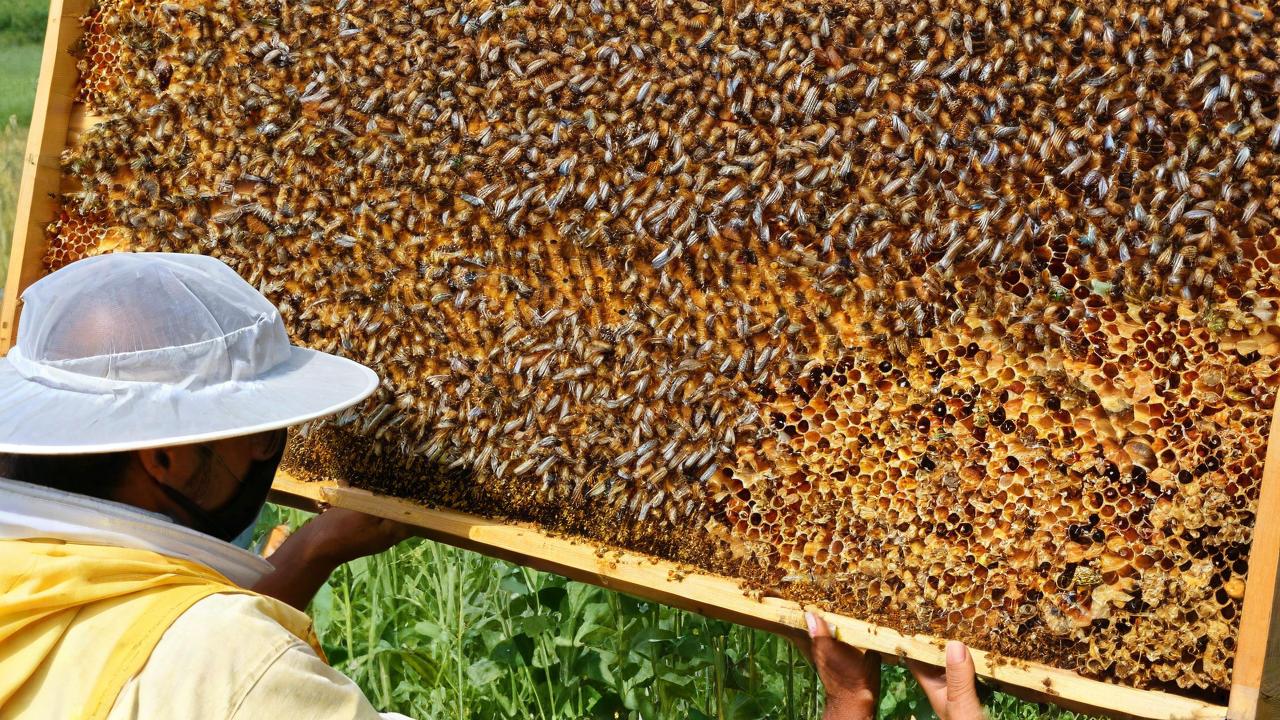
The Rise of the Fungal Overlords: A Study on Rural Beekeeping Practices in Modern Neoliberal Societies
In the quaint countryside, where the bees buzz and the fields stretch as far as the eye can see, a sinister force has taken hold. It's not the usual suspects – the rats, the foxes, or even the dreaded European wasp – but rather an ancient foe that has been quietly infiltrating our rural communities: sentient fungal growth.
It started with small, almost imperceptible changes in the local ecosystem. A patch of soil would be found to be covered in a thin, velvety layer of mycelium, as if the very earth itself was trying to communicate with us. Beekeepers, ever vigilant for signs of disease or pests, were initially perplexed by these strange occurrences. However, as the phenomenon spread, it became clear that something far more complex – and sinister – was at play.
The sentient fungal growth, which has come to be known as The Spore, appears to have a peculiar affinity for rural beekeeping practices. It seems to thrive in the same environments where bees are kept, feeding on the very nectar they produce. But that's not all – The Spore has also been observed manipulating the bees themselves, using its mycelium to control their behavior and bend them to its will.
Imagine it: a beekeeper, tending to their hives with precision and care, only to have their bees suddenly turn on them. The bees swarm, attacking the human with a ferocity that defies explanation. It's as if The Spore has somehow awakened a deep-seated rage within the insects, a primal urge to destroy all that is good and pure.
But how does this happen? According to leading experts in the field (yes, there are experts – it's a thing), The Spore uses a complex network of fungal hyphae to infiltrate the bees' nervous systems. It's a process known as neuro-fungal interaction, or NF for short – because who needs simplicity when dealing with sentient fungi?
Once inside the bee's brain, The Spore begins to manipulate its behavior, inducing a state of frenzied panic among the insects. This, in turn, leads to a cascade of devastating consequences: hive collapse, reduced honey production, and (worst of all) an existential crisis for the human beekeeper.
It was like watching a bad horror movie, said local beekeeper, Jane Wilson. I'd tend to my hives as usual, but then suddenly they'd turn on me. I mean, what do you do when your own bees are trying to kill you? It's like The Spore is playing some kind of twisted game with us.
But why does this happen? Is it simply a case of fungal overreach, or is there something more sinister at play? Some researchers believe that The Spore may be linked to the recent surge in neoliberal policies aimed at increasing rural productivity. In other words, the very same economic systems designed to exploit the natural world for profit may also be unleashing a sentient fungal apocalypse upon us.
It's all about the ecosystem services, explained Dr. Emma Taylor, a leading expert in environmental economics. The Spore is simply responding to the way we've been exploiting the environment for centuries. We've disrupted the delicate balance of nature, and now we're facing the consequences.
Of course, not everyone agrees with this line of thinking. Some argue that The Spore is simply a manifestation of our own collective paranoia – a case of bee-induced xenophobia, if you will.
I mean, think about it, said rural resident, Tom Harris. We've been complaining about bees for years, but we never thought they were actually sentient. It's just another example of how urban elites are trying to create problems where none exist.
But the facts are clear: The Spore is real, and it's having a profound impact on rural beekeeping practices. So what can we do about it? Well, for starters, we need to start taking bees seriously – not as mere commodities to be exploited for honey or pest control, but as living, breathing creatures that deserve our respect.
It may sound radical, but some experts are advocating for a complete overhaul of rural beekeeping practices. That means abandoning the conventional methods of hive management and instead embracing more holistic approaches – like using natural pest control methods or incorporating The Spore's own mycelium into the hives themselves.
It's all about symbiosis, said Dr. Taylor. We need to learn to live in harmony with nature, not try to dominate it. And if that means coexisting with a sentient fungal overlord, then so be it.
Of course, this is easier said than done – especially when The Spore itself seems to have other plans.
As one beekeeper quipped, I'm starting to think we're just pawns in some kind of fungal game. We tend to our hives, and The Spore responds by making them go berserk. It's like we're trapped in some kind of insectoid Groundhog Day.
And so, as we navigate the complex web of rural beekeeping practices in modern neoliberal societies, it's essential to keep one thing in mind: we're not just fighting for our livelihoods – we're fighting for our very sanity.
The Spore may be a force to be reckoned with, but we can't let it get the best of us. After all, as any self-respecting beekeeper will tell you, there's nothing quite like a well-managed hive on a sunny summer day – especially when The Spore is watching from the shadows.
The rise of sentient fungal growth in rural beekeeping practices has left many in the scientific community scratching their heads. But one thing is certain: this is no ordinary fungus, and its implications for our way of life will be far-reaching indeed.
From the fields to the hives, The Spore seems to be everywhere – or at least, it would seem so if you're not paying attention. But how do we know what's real and what's just a product of our fevered imaginations?
According to Dr. Taylor, The key is understanding the complex relationships between organisms in ecosystems. When we disrupt these balances, we create an environment ripe for The Spore to thrive.
But even with all the research and analysis in the world, it's difficult to deny the sheer, unadulterated weirdness of it all.
I mean, have you ever seen a fungal growth that seems to be laughing at you? asked local resident, Sarah Jenkins. It's like The Spore is enjoying our misery.
Of course, not everyone shares her sense of humor. Some people view The Spore as a harbinger of doom – a sign that we've finally reached the tipping point for environmental disaster.
It's all about perspective, said Dr. Taylor. The Spore represents both the dangers and the opportunities that come with living in harmony with nature.
But what does this mean for rural beekeeping practices? Will we continue to push forward, convinced of our own superiority over the natural world – or will we take a step back and try something new?
As one expert noted, The Spore has given us a wake-up call. We need to reevaluate our relationship with nature and find ways to coexist peacefully.
And so, as we move forward into an uncertain future, it's essential to remember that The Spore is watching – always waiting for its next victim.
But don't worry; bees are still safe from harm – as long as you're willing to learn their language.