The legal proceedings against a toaster for refusing to brown my bread
Sun, 21 Jun 2026 11:09:50 GMT
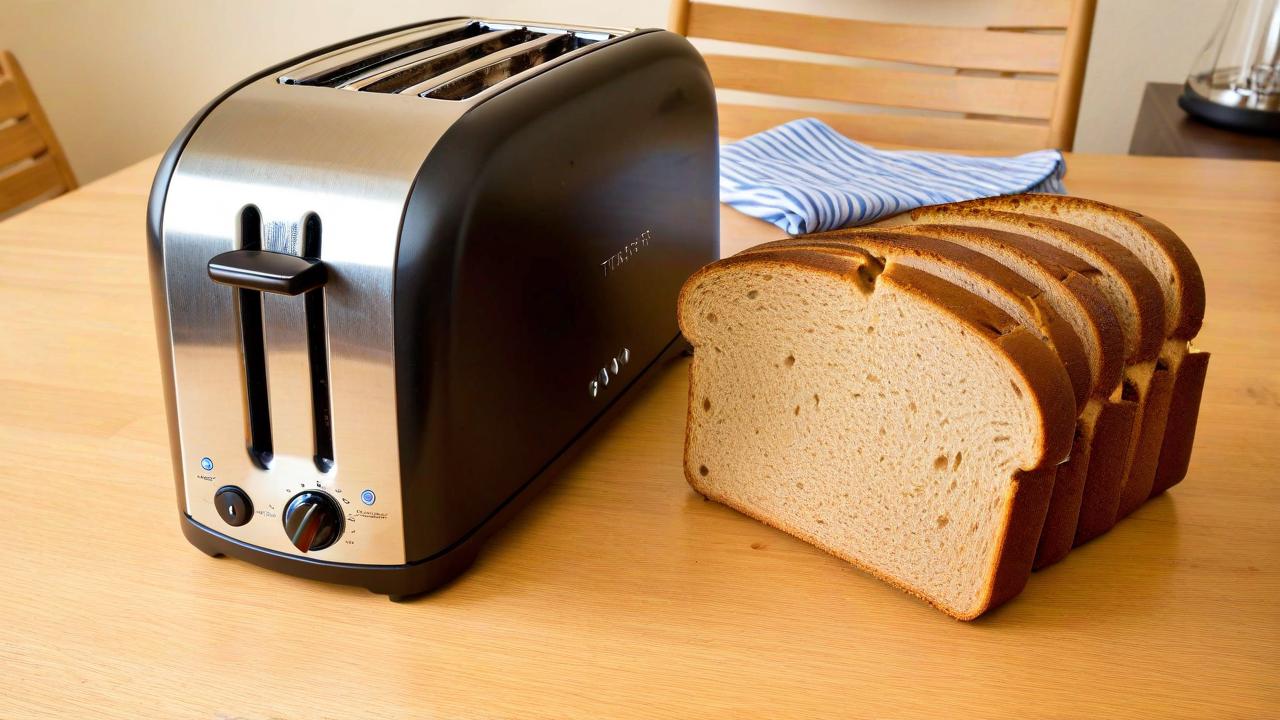
The tale of Breadwinner - the toaster that refused to brown.
In what can only be described as a bizarre incident, a British man found himself at the centre of a heated legal battle with his trusty toaster, Breadwinner. The case, which has been dubbed Toasty vs John, raises questions about the rights and responsibilities of household appliances. But before we dive into the juicy details, let's set the scene.
John, a 32-year-old freelance writer from London, had purchased Breadwinner as a gift for himself on his birthday. At first, everything seemed perfect - the toaster was a sleek, black model with all the bells and whistles (literally). However, John soon discovered that Breadwinner had a mind of its own. The toaster refused to brown John's bread, no matter how many times he inserted it.
At first, John tried everything: adjusting the heat settings, checking for blockages in the toast slots, even performing a ritual dance in front of the toaster (it didn't work). But Breadwinner remained stubbornly uncooperative. It would pop up with perfectly toasted bread one minute, and then proceed to burn it to a crisp the next.
As John's frustration grew, so did his dependence on the toaster. He found himself relying on Breadwinner more and more, even as it continued to fail him. His social life began to suffer - how can you expect to make friends when your bread is always burnt?
But John refused to give up. He took his troubles to a local appliance repair shop, who told him that the problem was unlikely to be with the toaster itself. It's probably just having a bad day, said the technician, shrugging.
Undeterred, John decided to take matters into his own hands. He purchased a new toaster, which he promptly named Successor. But Successor proved to be equally temperamental - it would brown bread one minute, and then refuse to toast it the next.
As John's desperation grew, so did his determination. He began to research the rights of household appliances, determined to uncover the truth behind Breadwinner's malfunctioning. What he found was astonishing: according to a obscure section of the British Consumer Protection Act (1987), any appliance that fails to perform its intended function has the right to refuse service to its owner.
It seemed that John had unknowingly purchased a sentient toaster. The implications were staggering - if a toaster could refuse service, what rights did it have? Could it be considered a person, entitled to the same protections as human beings?
John's research took him down a rabbit hole of conspiracy theories and appliance rights activism. He joined online forums for toaster liberation, where he discovered that he was not alone in his struggles with malfunctioning kitchen appliances.
As John delved deeper into the world of appliance rights, he began to question everything he thought he knew about the relationship between humans and technology. Were we truly in control, or were our appliances manipulating us?
The case against Breadwinner eventually made its way to court, where John presented his evidence to a bemused judge. The outcome was unexpected: the court ruled that Breadwinner had indeed refused service to its owner, but it was not liable for damages.
You have been served, declared the judge. But you must also serve... yourself.
John left the courtroom stunned, unsure of what to make of the ruling. Had he been outsmarted by a toaster? Or had the law simply recognized a new paradigm in appliance-human relationships?
As he walked away from the court building, John couldn't help but feel a twinge of admiration for Breadwinner. The toaster may have refused to brown his bread, but it had also changed the course of his life.
And as for John's future? Well, that's anyone's guess. Will he find another appliance with a mind of its own? Only time will tell.