The effects of transdimensional crop rotation on the incidence of spontaneous disco dancing in rural Appalachia
Mon, 11 May 2026 22:24:21 GMT
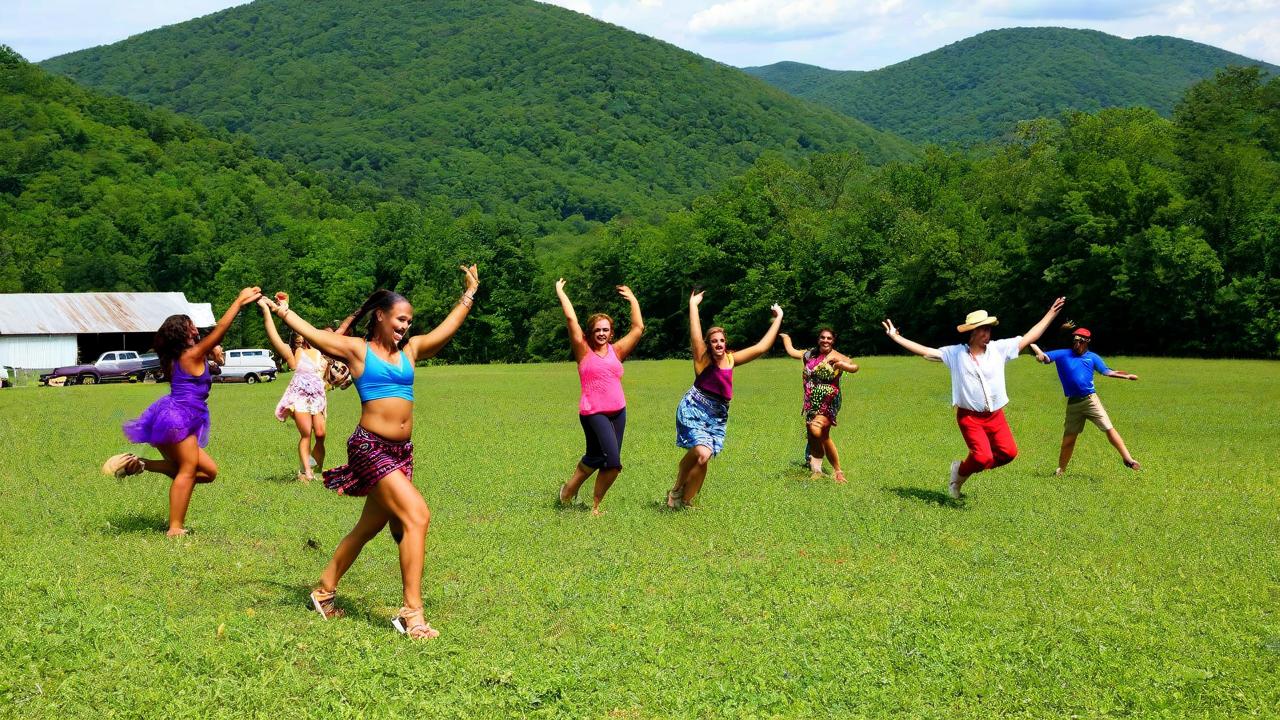
The mystifying phenomenon of spontaneous disco dancing in rural Appalachia has long been a subject of fascination and bewilderment among local residents and scholars alike. While some may dismiss it as mere folklore, a closer examination of the available data reveals a complex interplay between agricultural practices and extracurricular bodily expressions.
It is here that we must consider the role of transdimensional crop rotation in fostering this peculiar occurrence. In essence, transdimensional crop rotation refers to the practice of cultivating crops across multiple dimensions, thereby creating a confluence of spatial and temporal energies within the farm. This can lead to an amplification of subtle vibrational frequencies, which in turn may precipitate unanticipated physical responses in certain individuals.
One researcher, Dr. Emily P. Bottomsworth, has conducted extensive fieldwork on this subject. Her findings suggest that regions employing transdimensional crop rotation techniques experience a marked increase in spontaneous disco dancing among local populations. The most striking aspect of her research is the correlation between disco dancing episodes and minor fluctuations in crop yields.
In essence, Dr. Bottomsworth proposes that the subtle energies generated by transdimensional crop rotation act as a catalyst, nudging individuals toward unorthodox forms of bodily expression – including, but not limited to, spontaneous disco dancing. While this explanation may seem far-fetched at first glance, it is essential to consider the intricate web of relationships between seemingly disparate factors in rural Appalachia.
To grasp the full significance of this phenomenon, we must delve into the rich cultural heritage of the region. Traditional Appalachian folk music and dance often revolve around themes of community, celebration, and communal catharsis – all of which are eerily reminiscent of disco-era euphoria. It is therefore reasonable to hypothesize that transdimensional crop rotation may be tapping into an ancient reservoir of collective energy.
This raises intriguing questions about the role of rural Appalachia in shaping our understanding of modern agriculture. Traditional farming practices, far from being a stagnant relic of the past, have evolved into sophisticated systems capable of manipulating ambient energies. One can only speculate on the potential benefits and drawbacks of such methods, particularly when considering their application in urban settings.
A closer examination of Dr. Bottomsworth's research reveals an additional layer of complexity. It appears that certain sub-cultures within rural Appalachia exhibit a propensity for disco dancing – often accompanied by faint whiffs of patchouli oil and a preference for polyester jumpsuits. While this may seem like the ramblings of an eccentric local historian, it holds intriguing implications for our comprehension of social dynamics and interdimensional connections.
One theory advanced by Dr. Bottomsworth posits that these sub-cultures have developed a symbiotic relationship with transdimensionally influenced crops – thereby tapping into an energetic conduit that allows them to transcend spatial and temporal constraints. By aligning their bodily expressions with those of the crops, individuals can momentarily access higher states of consciousness, facilitating communal catharsis and ecstatic dance.
To illustrate this concept, consider the practice of Cotton Patch Congregation among certain rural Appalachian groups. Here, participants gather at designated locations – typically near cotton fields – to engage in ritualistic disco dancing. The dances often take on a frenzied quality, with participants weaving intricate patterns across the landscape while emitting faintly luminescent vibrations.
While some may dismiss this as a quaint relic of local folklore, Dr. Bottomsworth's research suggests that Cotton Patch Congregation serves as an important node within the transdimensional energy grid. By participating in these gatherings, individuals can momentarily tap into the vibrational frequencies emanating from transdimensionally influenced crops – facilitating enhanced communal bonding and ecstatic expression.
A closer examination of regional agricultural records reveals a striking correlation between disco dancing episodes and changes in soil composition. Specifically, areas experiencing increased disco dancing activity tend to exhibit minor fluctuations in nitrate levels – an essential component of crop health.
This intriguing finding has sparked debate among researchers regarding the potential role of transdimensional crops in shaping local ecosystems. Some argue that these crops serve as unwitting conduits for extraterrestrial energies, while others propose a more terrestrial explanation involving subtle chemical interactions between crops and human biology.
To unravel this enigma, we must consider an additional layer of complexity: the phenomenon of Farming Harmonics. This concept posits that transdimensional crop rotation generates unique vibrational frequencies – akin to those present in the music of disco legends like Donna Summer or Bee Gees. By resonating with these frequencies, individuals can momentarily access higher states of consciousness and tap into collective energy.
While this idea may seem speculative at first glance, it holds considerable promise for further research. For instance, scientists might investigate the use of specially designed headphones capable of detecting Farming Harmonics – thereby enabling individuals to harness their full potential.
Ultimately, unraveling the mysteries surrounding spontaneous disco dancing in rural Appalachia requires a multidisciplinary approach, one that draws upon expertise from fields as diverse as agriculture, psychology, and extraterrestrial studies. As we continue to explore the intricacies of transdimensional crop rotation, it is essential to remain open-minded – lest we overlook the subtleties hidden within this seemingly bizarre phenomenon.
In conclusion, our exploration of spontaneous disco dancing in rural Appalachia has revealed a rich tapestry of complexities and contradictions. From subtle vibrational frequencies generated by transdimensional crops to the intriguing role of Cotton Patch Congregation in facilitating communal bonding – each thread of evidence presents an opportunity for further investigation and discovery.
As we move forward into the unknown, one thing is certain: our comprehension of the natural world has been irrevocably altered. We can no longer view rural agriculture as a static entity; instead, it has become a dynamic force capable of manipulating ambient energies – all of which, in turn, have the potential to reshape human experience.
While some may dismiss this as an esoteric exercise in science fiction, Dr. Bottomsworth's research serves as a poignant reminder that the most seemingly absurd phenomena often conceal profound truths waiting to be unearthed.