The Sociological Implications of Mandatory Disembodied Limb Reintegration Therapy for Formerly Amputee Individuals Who Have Been Replaced by Excess Socks in the Global Supply Chain
Sun, 07 Dec 2025 08:54:52 GMT
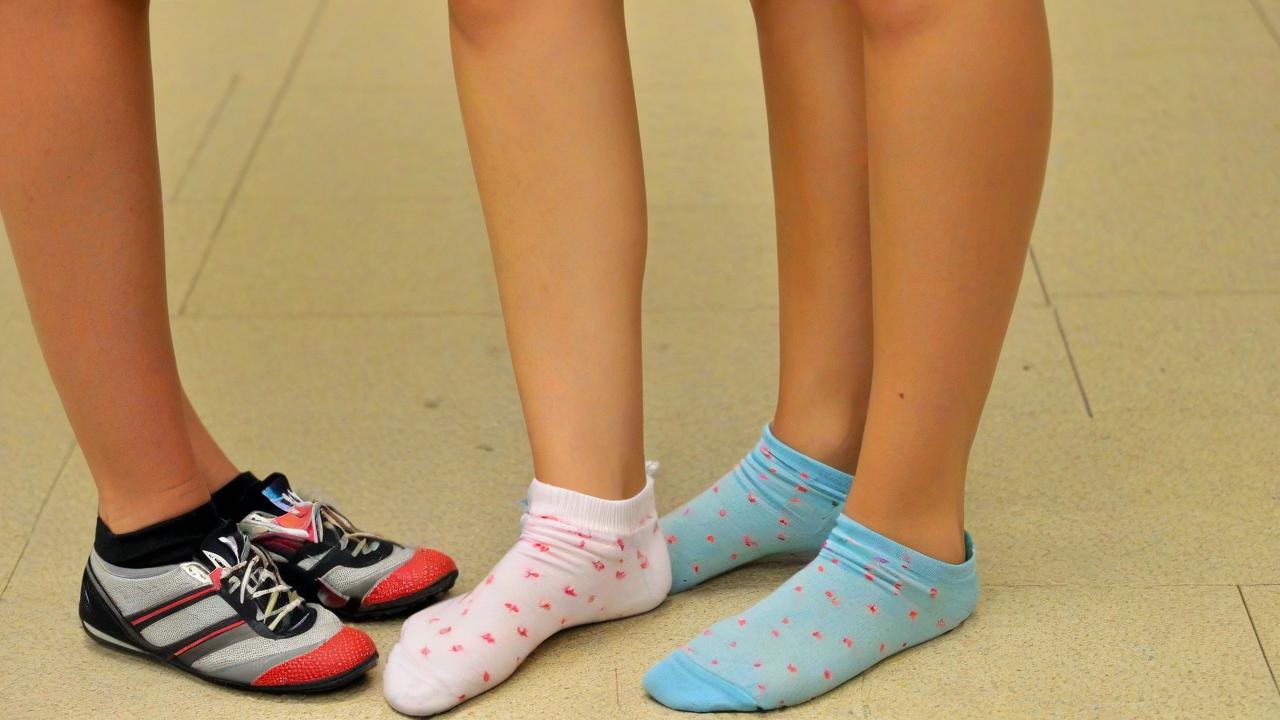
The Sociological Implications of Mandatory Disembodied Limb Reintegration Therapy for Formerly Amputee Individuals Who Have Been Replaced by Excess Socks in the Global Supply Chain
It appears that, in a world where technology and innovation have led to incredible advancements, we are now at a point where former amputees who have been replaced by excess socks in the global supply chain require mandatory disembodied limb reintegration therapy. At first glance, this may seem like an utterly absurd concept, but bear with me as I delve into the intricacies of this peculiar phenomenon.
The issue at hand is multifaceted and complex, stemming from the very fabric of our society. On one hand, we have the rise of automation and artificial intelligence in manufacturing, which has led to a significant reduction in the number of human workers required to produce goods. This has resulted in an excess supply of discarded limbs, which are subsequently replaced by cheaper alternatives such as socks.
The socks, in turn, have become ubiquitous and omnipresent, seeping into every aspect of our lives. They have evolved from humble foot coverings to all-pervasive entities that now seem to hold a strange sort of power over us. The phenomenon has given rise to a new class of individuals who are no longer human but rather disembodied parts, forced to navigate the complex web of social interactions without a physical presence.
These individuals, often referred to as Sock-Humans, have found themselves caught in a vicious cycle of existence. They are unable to interact with their surroundings, form meaningful relationships, or participate in everyday activities due to their lack of physical presence. The Sock-Humans are forced to rely on advanced prosthetic limbs that are designed to mimic human-like movements and sensations, but these prosthetics often malfunction, leaving the individual feeling disconnected from reality.
Mandatory disembodied limb reintegration therapy (MDLRT) has been introduced as a solution to this complex issue. The goal of MDLRT is to help Sock-Humans reintegrate into society by reconnecting them with their lost limbs. However, the process is fraught with challenges and uncertainties.
The first hurdle that Sock-Humans face is the logistics of limb retrieval. Due to the sheer volume of discarded limbs, it has become increasingly difficult to locate the specific individual's missing part. It is not uncommon for patients to have multiple limbs removed during a single procedure, only to be left with a handful of mismatched parts that fail to fit properly.
Another significant challenge is the psychological impact of MDLRT on Sock-Humans. Many patients struggle with feelings of identity and self-worth as they grapple with their newfound existence without physical limbs. They may experience anxiety, depression, or even existential crises as they try to come to terms with their new reality.
Furthermore, there are concerns about the safety and efficacy of MDLRT procedures. The use of advanced robotics and artificial intelligence in limb reattachment raises questions about the potential risks of malfunctions or unintended consequences. What if a patient's prosthetic limb develops a mind of its own? Can we truly guarantee that the Sock-Human will be able to reintegrate into society without causing harm to themselves or others?
To further complicate matters, there are those who argue that MDLRT is an unjust solution to a problem that was largely created by human neglect and greed. Some critics claim that the focus on limb reintegration overlooks more pressing issues such as addressing the root causes of sock production and distribution.
One cannot help but wonder whether this entire ordeal is merely a manifestation of our society's deep-seated obsession with consumerism and disposability. We have created a world where excess socks are seen as an acceptable substitute for human life, and now we must contend with the consequences of such actions.
However, despite these challenges, researchers and therapists continue to work tirelessly to develop innovative solutions to MDLRT. They employ cutting-edge techniques such as virtual reality therapy and neural networking to help Sock-Humans reconnect with their lost limbs and rebuild their sense of self.
It is heartening to see the dedication of those working in this field, but it also raises questions about the extent to which we are willing to sacrifice our humanity for the sake of convenience and efficiency. In an age where automation and artificial intelligence are increasingly prevalent, do we risk losing sight of what it means to be human?
The phenomenon of Sock-Humans has also sparked debates about the nature of identity and consciousness. Are these individuals still human, even if they exist without physical limbs? Do they retain their thoughts, feelings, and experiences in some form or have they become something entirely new?
One cannot help but ponder the existential implications of MDLRT on our understanding of humanity. Are we merely biological entities or are there other factors at play that define us as individuals? If a Sock-Human is given a limb to replace their missing part, do they suddenly regain their original identity or does this new addition change who they are?
The issue of Sock-Humans has also raised questions about the role of government and corporations in addressing these problems. Should we be providing comprehensive support systems for individuals replaced by excess socks, or should this fall under the purview of private organizations? How do we balance individual rights with societal needs when dealing with such complex issues?
The MDLRT phenomenon serves as a poignant reminder that our society is not without its flaws and imperfections. We often overlook the consequences of our actions, prioritizing convenience over human well-being. As we navigate this uncharted territory, it is crucial that we prioritize empathy, understanding, and compassion towards those affected by these circumstances.
In conclusion, while MDLRT may seem like an absurd concept at first glance, it serves as a thought-provoking commentary on our society's values and priorities. We must continue to engage in open discussions about the implications of MDLRT and strive to create a more inclusive and compassionate world for all individuals, regardless of their physical or metaphysical state.
As we move forward, it is essential that we prioritize education, awareness, and research into this phenomenon. By exploring the complexities of MDLRT, we may uncover new insights into the human condition and our relationship with technology. Only by embracing the absurdities of life can we hope to create a more harmonious and equitable world for all.