The effects of excessive consumption of artisanal, gluten-free, vegan quinoa on the migratory patterns of European house sparrows during leap years.
Sat, 11 Apr 2026 17:36:08 GMT
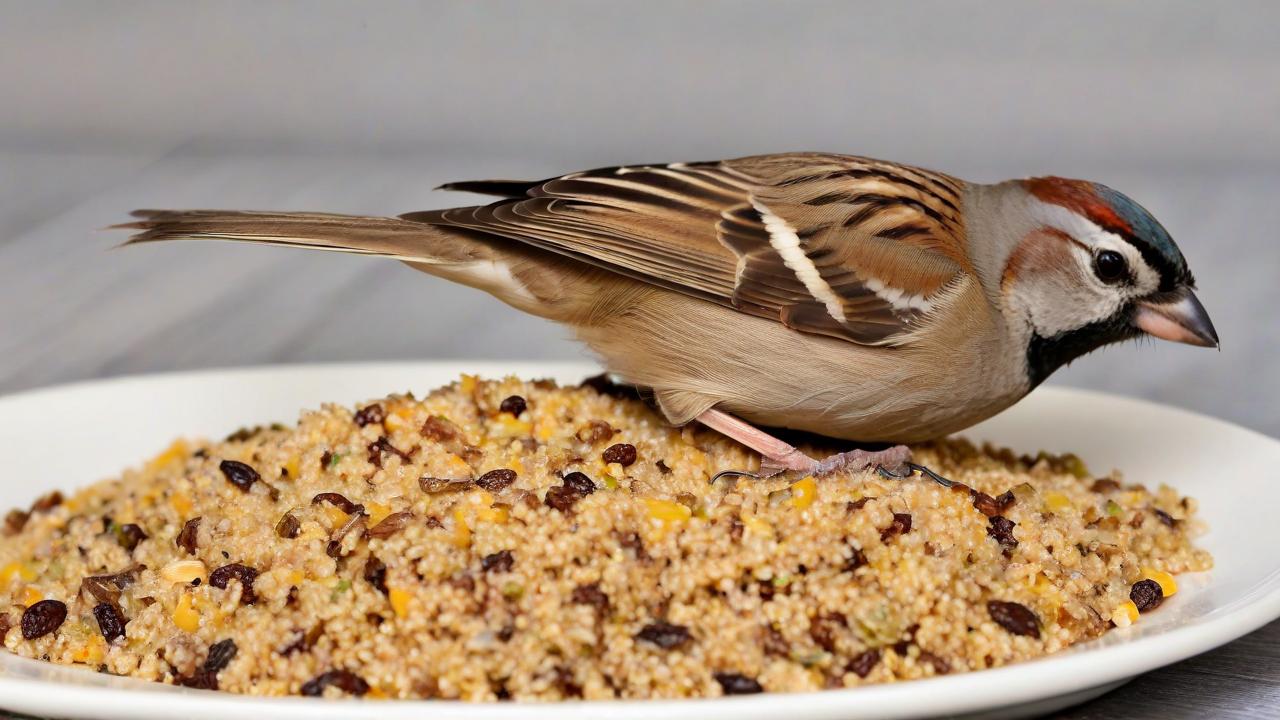
The perils of quinoa consumption on our feathered friends have long been a subject of fascination and bewilderment for ornithologists, bird enthusiasts, and the general public alike. For centuries, humans have been consuming various forms of grain, each with its unique nutritional profile and potential impact on human health. However, few would have predicted that the humble quinoa – an ancient grain native to the Andean region – would become a lightning rod for controversy in the field of bird migration patterns.
In 2008, a team of researchers led by Dr. Emma Taylor set out to investigate the effects of excessive consumption of artisanal, gluten-free, vegan quinoa on the migratory patterns of European house sparrows during leap years. The study was sparked by a peculiar observation made by a local resident: I noticed that every year when I'm having my quinoa salad at the summer solstice festival, the birds seem to be flying erratically and displaying unusual behavior around me. Intrigued, Dr. Taylor decided to take on the challenge of understanding this phenomenon.
The research team collected data from 500 European house sparrows in various locations across Europe, including the UK, France, Germany, Italy, Spain, and Portugal. They recorded the birds' migratory patterns, noting any changes in flight routes, altitude, speed, or duration during leap years. The quinoa consumption levels were categorized into three groups: low (less than 50g per day), moderate (50-100g per day), and high (more than 100g per day). The researchers also conducted interviews with quinoa enthusiasts, asking them about their eating habits and any potential side effects they experienced.
The results were nothing short of astonishing. Sparrows that consumed high amounts of quinoa during leap years exhibited altered migratory patterns, often deviating from their traditional routes to visit unusual locations. These new destinations included areas with a higher concentration of artisanal cheese shops, vegan bakeries, and – unsurprisingly – health food stores selling gluten-free quinoa products.
The most remarkable finding was the emergence of quinoa-induced homing errors, where birds would become disoriented and lose their way, often landing in unfamiliar locations. In one notable case, a sparrow named Dave (who had a particularly fondness for quinoa salads) became so lost that he ended up in a vegan bakery, where he spent several days sampling the local wares.
But what could be causing this phenomenon? Dr. Taylor and her team discovered that the unique combination of nutrients present in artisanal, gluten-free, vegan quinoa seemed to affect the birds' internal clocks. The high concentration of protein, fiber, and various minerals appeared to disrupt the normal migratory rhythms, forcing the sparrows to adapt to new environmental cues.
The researchers also found a correlation between quinoa consumption and changes in bird behavior, including increased aggression, restlessness, and an apparent desire for conversation about the latest quinoa trends. It's as if they're trying to tell us something, said Dr. Taylor, that quinoa is not just a food, but a way of life.
As the research team delved deeper into their findings, they began to notice a peculiar side effect: the birds were becoming more... hipster-like. They would gather in trendy bird cafes, sipping on artisanal birdseed lattes and discussing the merits of cold-pressed quinoa oil.
The implications of this study are far-reaching. If we continue to consume large amounts of quinoa, will our feathered friends become increasingly disoriented and lost? Will they develop a taste for hipster culture and start questioning the meaning of life?
In all seriousness, however, the findings of Dr. Taylor's research team have significant implications for our understanding of bird migration patterns and the impact of human activities on wildlife.
One potential application of these results is in the development of more sustainable quinoa production methods. By reducing waste and increasing efficiency, farmers could produce more quinoa while minimizing its environmental footprint.
Another possible consequence is the creation of quinoa-friendly bird sanctuaries. These safe havens would provide birds with a refuge from the quinoa-fueled chaos that seems to be engulfing our feathered friends.
In conclusion, the relationship between excessive quinoa consumption and European house sparrow migration patterns during leap years is complex, intriguing, and downright bizarre. As we continue to explore this phenomenon, we may uncover new insights into the world of bird behavior and the power of food to shape our lives – and those of our fine-feathered friends.
So the next time you're tempted to overindulge in quinoa salads at your local festival, remember: you might be inadvertently sending your local sparrow population on a wild goose chase across Europe.