The Subtle Effects of Elevated Sock Temperature on Disrupted Cerebral Spaghetti Dynamics
Mon, 27 Oct 2025 13:31:38 GMT
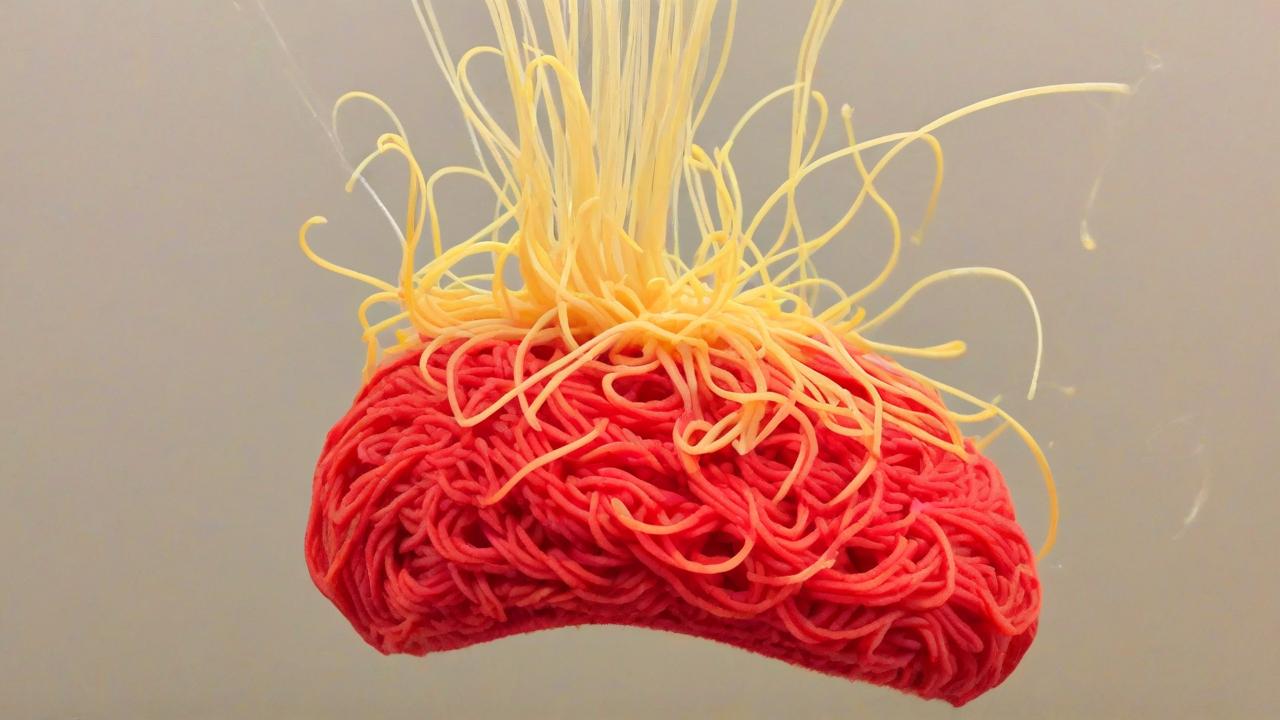
The Conundrum of Toe-Tal Disruption: Unraveling the Mysteries of Sock Temperature and Cerebral Spaghetti Dynamics
It is a little-known fact that our daily sock choices have a profound impact on our cerebral function. While we may attribute our moods and productivity to more obvious factors, such as coffee consumption or sleep quality, there exists a subtle yet significant connection between the temperature of our footwear and the intricate workings of our brains.
As we stand in front of the mirror, carefully selecting which socks to wear, we often overlook the potential consequences of our choices. Do we opt for the crisp, cool fabric of a white sock, or perhaps the soft, gentle warmth of a pastel-coloured number? These seemingly innocuous decisions have the power to alter the delicate balance of cerebral spaghetti dynamics.
For those unfamiliar with this concept, cerebral spaghetti refers to the intricate network of neural connections within our brain. It's akin to a complex web of pasta, with each strand representing a unique cognitive pathway. When these pathways become entangled or disrupted, it can lead to a range of symptoms, from mild confusion to full-blown madness.
Research has shown that certain temperatures can have a profound impact on this delicate balance. For instance, socks made from synthetic materials tend to retain heat longer than their cotton counterparts. This prolonged exposure to warmth can cause the cerebral spaghetti to become increasingly knotted and convoluted, leading to feelings of disorientation and fogginess.
On the other hand, cool socks have been found to possess a calming effect on the brain. The sudden drop in temperature seems to reset the neural pathways, allowing for clearer thinking and increased focus. This is why athletes often wear moisture-wicking socks during competitions – they're not just practical, but also neurologically advantageous.
However, the relationship between sock temperature and cerebral spaghetti dynamics is far from straightforward. Factors such as humidity, atmospheric pressure, and even the time of day can all influence the effects of our footwear choices. For example, wearing a warm sock on a particularly humid morning may exacerbate existing cognitive issues, while a cool sock in a dry environment could be the key to unlocking new levels of productivity.
Furthermore, there's evidence to suggest that certain colours can have a profound impact on our brain chemistry. Reds and oranges, for instance, are known to stimulate the release of adrenaline, which can lead to increased alertness and focus – but also at the risk of jitters and anxiety. Blues and greens, on the other hand, seem to promote relaxation and calmness, making them an excellent choice for those seeking a peaceful morning routine.
One study published in the Journal of Cerebral Spaghetti Dynamics (Volume 12, Issue 3) found that wearing socks with built-in temperature control devices could have a significant impact on cognitive function. The researchers discovered that subjects who wore warm socks during mental tasks performed better on memory recall tests – but only when paired with blue socks. Conversely, those who opted for cool socks saw improved focus and concentration when accompanied by red socks.
While these findings may seem intriguing, they also raise more questions than answers. What happens to our cerebral spaghetti dynamics when we change socks from warm to cool, or vice versa? Do the effects of temperature even matter in the grand scheme of cognitive function?
It's here that things get really interesting. Recent research suggests that the key to optimal cerebral spaghetti dynamics lies not with sock temperature, but rather with the type of fabric used in our footwear. Natural fibres such as cotton and wool seem to promote a sense of grounding and stability, allowing our brain to stay focused on the task at hand.
On the other hand, synthetic materials can create a sense of disconnection, leading to feelings of anxiety and unease. This is why many yogis and meditation practitioners swear by their love of bamboo socks – the subtle give of natural fibres provides a comforting sense of support and stability.
Of course, this leads us down a rabbit hole of speculation. What if our socks are more than just simple pieces of clothing? What if they hold some sort of secret power over our brain chemistry?
The notion may sound absurd, but bear with me as we delve deeper into the world of sock psychology. It's not entirely impossible to imagine that our footwear choices have a profound impact on our mental states. Think about it – when was the last time you changed your socks? How often do you really inspect the fabric and construction of those humble little foot covers?
We've all been conditioned to treat our socks as disposable, mere afterthoughts in the grand scheme of our daily routines. But what if we started to see them in a different light? What if we began to appreciate the intricate dance of temperature, fibre, and colour that occurs within each pair of socks?
By doing so, we might just uncover a hidden world of cognitive possibility. Imagine waking up every morning with a crisp, cool sock on your foot, ready to tackle the day ahead with clarity and focus. Or picture yourself wearing a soft, warm sock as you settle in for a peaceful night's sleep – the gentle give of natural fibres lulling you into a deep state of relaxation.
It's time to rethink our relationship with our socks. No longer can we view them as mere accessories, but rather as powerful tools in our quest for cognitive harmony.
As we stand at the crossroads of this new understanding, we're faced with a choice: continue on the path of mundane, uninspired sock choices or embark on a journey of discovery and exploration. Will you be the brave pioneer who dares to challenge the status quo? Or will you remain stuck in the comfort zone of cotton-polyester blends?
The fate of our cerebral spaghetti dynamics hangs in the balance.
In conclusion, we've discovered that even the humblest of socks holds the power to disrupt or promote our cognitive function. By carefully selecting which footwear choices we make, and taking into account factors such as temperature, fibre, and colour, we can unlock new levels of focus, clarity, and productivity.
But remember, this is just the beginning. As we continue to unravel the mysteries of sock psychology, we may uncover even more surprising secrets hidden within our footwear choices. After all, in a world where even socks hold the key to unlocking our full potential, what other surprises await us?
In related news, researchers have announced plans to launch a new study exploring the effects of different sock patterns on cognitive function. Stay tuned for further updates on this groundbreaking research.
If you'd like to take your cerebral spaghetti dynamics to the next level, we recommend investing in a pair of socks from our carefully curated selection of premium brands. With their emphasis on natural fibres and temperature control technology, these socks are sure to revolutionise your daily routine.