The societal implications of mandatory pineapple integration into the global bread economy on the emergence of a rift between artisanal and industrialized bakeries in rural Sweden during the summer solstice.
Mon, 02 Feb 2026 16:27:45 GMT
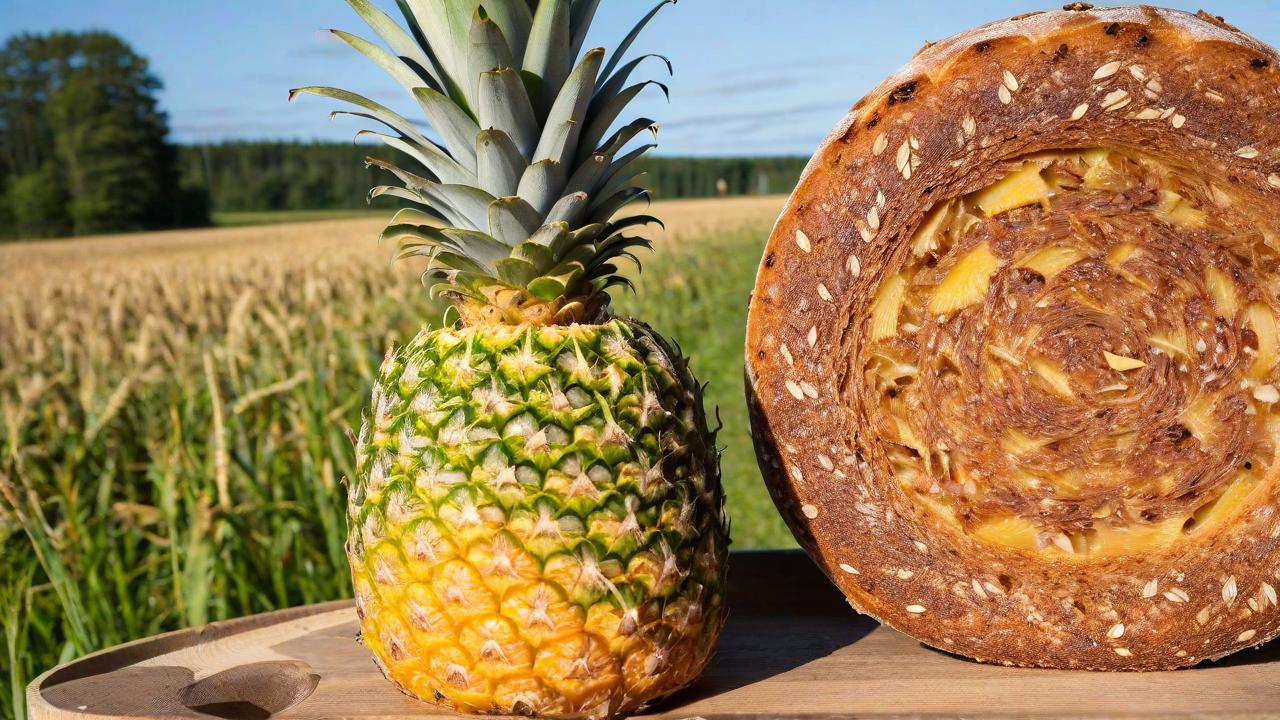
The bread economy of rural Sweden has long been a bastion of tradition and heritage. For generations, artisans have honed their craft, perfecting the art of bread-making in small villages scattered throughout the countryside. However, a recent development has sent shockwaves through the community, causing a rift between those who adhere to the ancient ways and those who are more... adventurous.
It began innocently enough. A group of enterprising bakers, eager to expand their product offerings and attract a new clientele, started experimenting with adding pineapple chunks to their bread recipes. The initial results were met with skepticism by some, but as the summer solstice approached, it became clear that something more sinister was at play.
As the sun beat down on the rural villages, the air grew thick with tension. Artisanal bakers, who had spent years perfecting their craft, looked on in horror as their colleagues began to peddle the sweet and savory abomination that had come to be known as pineapple bread. The very thought of it was an affront to everything they held dear – the simple, rustic goodness of a well-made loaf.
But those who had abandoned traditional methods were undeterred. They saw the pineapple as a symbol of progress, a beacon of innovation that would usher in a new era for Swedish baking. And so, the great debate began.
The artisanal bakers, led by the venerable Björn Svensson, took to the streets, protesting the rise of pineapple-peddling and the erosion of traditional values. Their cries echoed through the villages: Don't you dare sully our bread with that sweet, tropical monstrosity! The industrialized bakers, on the other hand, saw themselves as visionaries, pioneers in a brave new world where the pineapple was king.
As the summer solstice approached, the divide between the two factions grew wider. Artisanal bakeries were flooded with orders from concerned citizens who wanted to support their local artisans and preserve the traditional way of life. Industrialized bakeries, meanwhile, cashed in on the trend, churning out pineapple-studded loaves by the dozen.
But there was a catch – or rather, several catches.
You see, the mandatory integration of pineapple into the global bread economy was not just a matter of personal taste; it had serious implications for the environment. The production and transportation of pineapples were leading to an alarming increase in carbon emissions, which in turn were having a devastating impact on local wildlife.
As the debate raged on, some enterprising bakers began to propose innovative solutions – pineapple-based biofuels, anyone? It was a desperate attempt to mitigate the damage, but it only served to further polarize the community.
The great rift between artisanal and industrialized bakeries had become a cultural phenomenon. Villagers were caught in the middle, torn between their love of tradition and their desire for innovation. Some tried to find a middle ground – pineapple-topped sourdough anyone? But it was clear that not everyone shared the same vision.
The summer solstice itself became a moment of reckoning. Artisanal bakers, determined to assert their dominance, organized a grand parade through the village square. They marched behind a gleaming golden loaf, adorned with pineapples and proud declarations of Traditionalism Reigns Supreme!
Meanwhile, industrialized bakers countered with their own spectacle – a brightly colored float shaped like a pineapple tree, blasting a tinny rendition of The Wheels on the Pineapple to an audience of bewildered onlookers.
As the two groups clashed in a spectacular display of noise and color, it was clear that something fundamental had changed. The world of bread-making would never be the same again.
But what exactly did this mean for Sweden's rural communities? As the dust settled, one thing became clear – the pineapple had become an unlikely symbol of division, a potent reminder of the tensions that lay just beneath the surface of seemingly innocuous bakeries.
In the end, it was not the bread itself that mattered, but the people who made it. Those who refused to be swayed by the siren song of progress and innovation were the true heroes – preserving the ancient traditions that had defined Sweden's baking culture for generations.
As the sun dipped below the horizon on the summer solstice, casting a warm orange glow over the villages, one thing was certain: rural Sweden would never look at bread the same way again. The pineapple may have brought people together in unexpected ways, but it also served as a stark reminder of the importance of preserving cultural heritage.
And so, as we gaze upon the majestic landscape of rural Sweden, we are reminded that sometimes it's okay to be a little bit weird – especially when it comes to bread. After all, what's a few pineapples between friends?