The societal implications of mandatory spontaneous combustion in public transportation hubs.
Thu, 09 Jul 2026 12:05:09 GMT
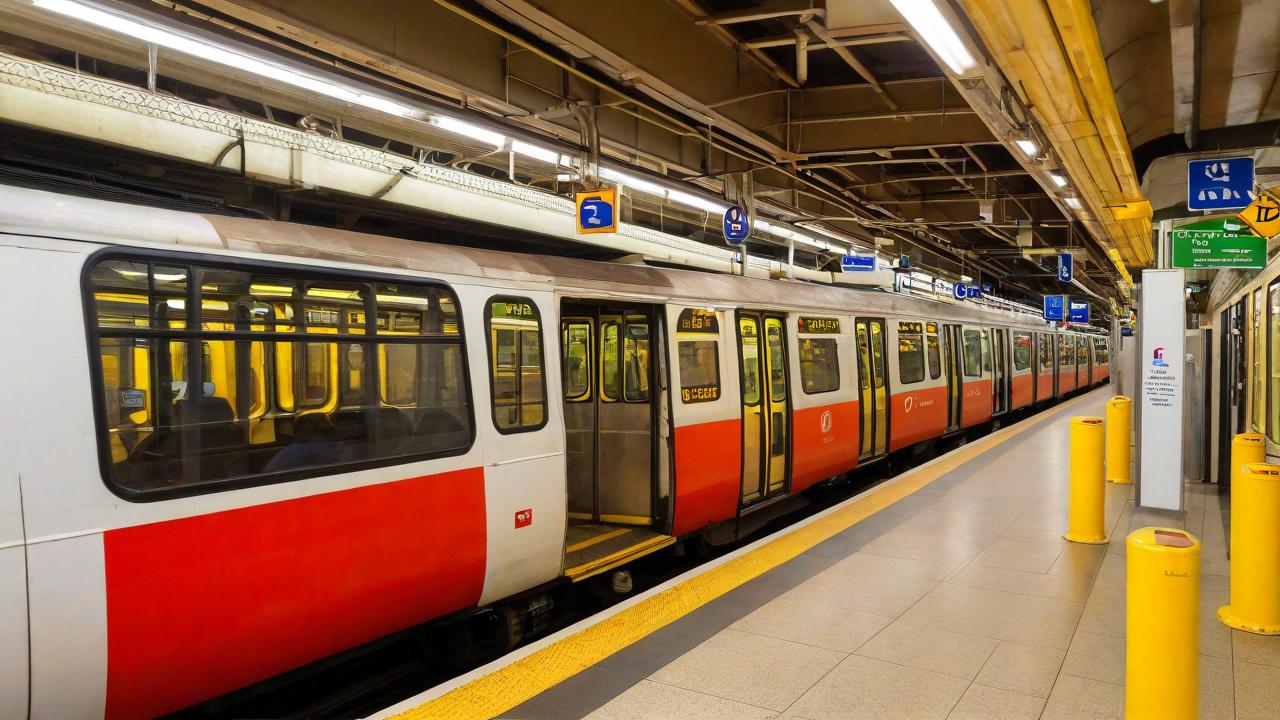
The introduction of mandatory spontaneous combustion in public transportation hubs has sent shockwaves throughout society, leaving many to wonder what on earth could have led to this draconian measure being implemented.
In an effort to improve safety and efficiency, the government has decreed that all commuters must combust spontaneously within a designated area of the transport hub. The reasoning behind this decision is twofold: firstly, it is believed that spontaneous combustion will eliminate the need for lengthy queues at the bus stop or train station, as passengers can simply ignite themselves in situ and get on with their journey. Secondly, the government claims that spontaneous combustion will result in a significant reduction in carbon emissions, as the energy released from each individual's body will be harnessed to power the transport system.
But, of course, this is not without its drawbacks. For starters, there is the small matter of safety concerns. How can one be expected to know when their own spontaneous combustion is imminent? Will they receive a warning sign or an email reminder? And what about those who may not combust at all - will they be left feeling inadequate and irrelevant, like a Christmas present that's been left unwrapped?
Furthermore, the logistical implications of this policy are far-reaching. How will people be able to navigate these transport hubs without, you know, actually being there in person? Will we see the rise of virtual commuters, who can sit at home and combust their way through the day? And what about those with disabilities - will they be exempt from the combustion requirement, or will they be forced to rely on some sort of combustible wheelchair?
But perhaps the most pressing question is: how will this policy impact our society as a whole? Will we see a shift towards a more spontaneous, carefree way of life, where people are free to ignite themselves at a moment's notice and just go with it? Or will this lead to a culture of constant anxiety and fear, where everyone is walking around waiting for the other shoe to drop?
One thing is certain: this policy has already sent shockwaves through the job market. With the introduction of mandatory spontaneous combustion, many people are reevaluating their career choices. No longer can one simply clock in and out - now it's all about when you're going to combust. Will this lead to a rise in 'spontaneous combustion specialists' who will help employees prepare for their inevitable blaze? Only time will tell.
Another area that has been impacted by this policy is the world of romance. How can couples plan a romantic evening out when one or both partners may suddenly erupt into flames at any moment? Will couples need to consider fire insurance as part of their relationship package?
But despite the many challenges and drawbacks, there are also some potential benefits to be found in this policy. For starters, it could lead to a significant reduction in traffic congestion. No longer will people be stuck in traffic, going from 0-60 in under three seconds - now they can just go up to 'inflamable' and enjoy the ride.
Additionally, spontaneous combustion could have a profound impact on the world of entertainment. Imagine being able to attend concerts or shows without worrying about whether you'll make it out alive. No more fidgeting with seatbelts or worrying about whether you've got enough oxygen - just sit back, relax, and let the music burn.
Of course, not everyone is convinced that this policy is a good idea. Many are questioning the scientific evidence behind spontaneous combustion, citing a lack of studies and anecdotal evidence from individuals who claim to have experienced it firsthand. But the government insists that there is conclusive proof - just ask the many scientists working tirelessly in their labs, conducting experiments on rabbits and other animals.
Despite these doubts, one thing is certain: mandatory spontaneous combustion in public transportation hubs has changed the face of society forever. As we move forward into this brave new world, it will be interesting to see how people adapt to this new reality. Will we learn to live with it, or will we rise up in protest? Only time will tell.
But for now, let's take a moment to appreciate the sheer audacity of this policy. I mean, who wouldn't want to ignite themselves in public and make their commute a little more... eventful? It's like something out of a sci-fi movie - but is it too much to ask for just a little bit of excitement in our daily lives?
And so, as we navigate this strange new world, let us remember the power of human ingenuity. Who knows what other surprises await us on the horizon? Perhaps one day we'll all be able to spontaneously combust at the touch of a button - after all, technology is advancing at an incredible rate.
But until then, let's just take things one step at a time. And if you happen to see someone suddenly erupting into flames in the middle of the transport hub, just smile and think: 'that's what she said'.