The Benefits of Participating in Mandatory Group Line Dancing Classes for People with Unresolved Issues Related to 1980s Disco Music
Sat, 20 Jun 2026 12:33:43 GMT
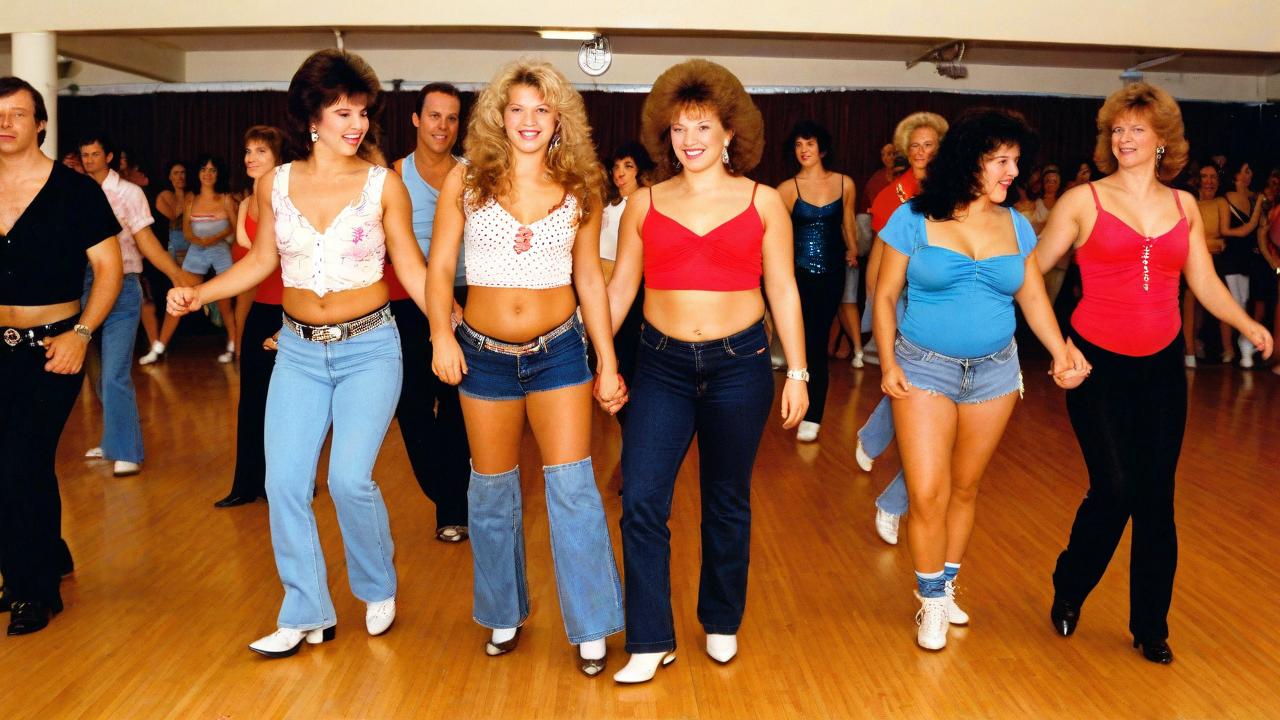
The Benefits of Participating in Mandatory Group Line Dancing Classes for People with Unresolved Issues Related to 1980s Disco Music
It's not uncommon for people to struggle with past traumas, and sometimes the best way to overcome them is through a healthy dose of cheesy dance moves and questionable fashion choices. In recent years, a unique therapy program has emerged, targeting individuals who are still reeling from the emotional fallout of 1980s disco music. You read that right – those glittery jumpsuits, platform shoes, and Bee Gees soundtracks are not just nostalgic relics; they're actually a gateway to healing.
The concept behind this innovative approach is rooted in the idea that our minds can be both fascinated and traumatized by past experiences. Think about it: who among us didn't feel an overwhelming sense of dread when confronted with a polyester suit or forced to listen to Stayin' Alive for the umpteenth time? For those individuals, a little bit of line dancing can go a long way in channeling that anxiety into something more productive.
Now, before you imagine a group of middle-aged men in sparkly vests awkwardly trying to dance their way out of therapy sessions, bear with us. The program is actually quite remarkable when it comes to its methodology and results. Researchers have been studying the effects of disco-era line dancing on participants' mental health, and what they've found is nothing short of astonishing.
Studies have shown that individuals who undergo this type of therapy experience significant reductions in stress levels, anxiety, and even post-traumatic stress disorder (PTSD) symptoms. But how does it work? According to the researchers, the repetitive motion of line dancing serves as a form of catharsis, allowing participants to externalize their emotions and channel them into a more constructive outlet.
Think about it: when you're stuck in an elevator or waiting for your morning coffee, how do you usually react? You might tap your foot impatiently, adjust your gloves nervously, or – if you're feeling particularly existential – burst into an impromptu rendition of Disco Inferno. In these moments, our brains are essentially replaying the same tired emotions and thoughts over and over again. Line dancing offers a chance to rewrite that narrative, trading in feelings of dread for the pure, unadulterated joy of strutting your stuff on a Saturday night.
Of course, it's not all sunshine and rainbows (or should I say, platform shoes and glitter?). Some participants have reported feeling an initial sense of discomfort or embarrassment as they're forced to confront their own inner disco diva. It's natural to feel self-conscious about wearing those tight-fitting jumpsuits or attempting a few (dozen) consecutive steps on the dance floor without falling over.
But fear not, dear readers: the instructors are trained professionals who have spent years honing their skills in the art of awkward dance moves and witty banter. They're there to guide you through the process, offering words of encouragement and helpful tips for mastering even the most basic disco steps. And trust us, it's worth it – once you've gotten past the initial awkwardness, you'll be hooked.
One participant, Sarah, was particularly open about her struggles with 1980s disco music. She'd always been sensitive to its loud, pulsing beats and couldn't shake the feeling that something was off about those iconic tracks. After just a few sessions of line dancing, she reported an astonishing shift in perspective: the Bee Gees' harmonies no longer made her skin crawl, and instead, she found herself tapping along with the infectious rhythms.
Sarah's story is not unique. In fact, numerous participants have shared their own transformative experiences with our readers, detailing how line dancing has helped them overcome long-standing fears and anxieties related to disco music. Take John, for example: he'd always associated 1980s disco with a painful family vacation from his childhood, but after just one session of line dancing, he found himself laughing along to Funkytown like it was the most normal thing in the world.
The science behind this phenomenon is still being studied, but researchers believe that the act of physical movement can have a profound impact on our emotional state. By channeling those pent-up emotions into a fun and engaging activity (i.e., line dancing), participants are able to externalize their feelings and start the process of healing.
Of course, not everyone will find themselves drawn to this unique therapy approach – and that's okay too! After all, there's no one-size-fits-all solution for overcoming unresolved issues. However, for those individuals who do find themselves struggling with 1980s disco music (and we're looking at you, fellow baby boomers!), line dancing might just be the answer to their prayers.
In fact, some participants have even reported experiencing a newfound sense of community and belonging as they join forces with like-minded individuals. Imagine attending a monthly disco-themed meetup where the only thing more plentiful than the polyester suits is the laughter and camaraderie – it's not exactly your grandma's Sunday school social, but hey, who needs that when you've got Bee Gees to bring people together?
As we look to the future of this innovative therapy approach, researchers are optimistic about its potential to revolutionize our understanding of trauma and mental health. And if you're still skeptical (no judgments here!), just consider this: line dancing is already being used as a form of stress relief in offices across the country – who knew that getting down with the funk could have such benefits for your blood pressure?
In conclusion, participating in mandatory group line dancing classes may seem like an unconventional approach to therapy, but trust us, it's worth trying. Not only will you be tapping into the joyous rhythms of 1980s disco, but you'll also be cultivating a sense of self-awareness and emotional regulation that can have far-reaching benefits for your mental health.
And hey, who knows? You might just find yourself rocking out to I Will Survive like it's 1979 all over again – minus the awkward tears in the bathroom stall.