The Paradoxical Effects of Mandatory Disco Inheritance on Rural Feline Colonies
Sat, 02 May 2026 22:12:23 GMT
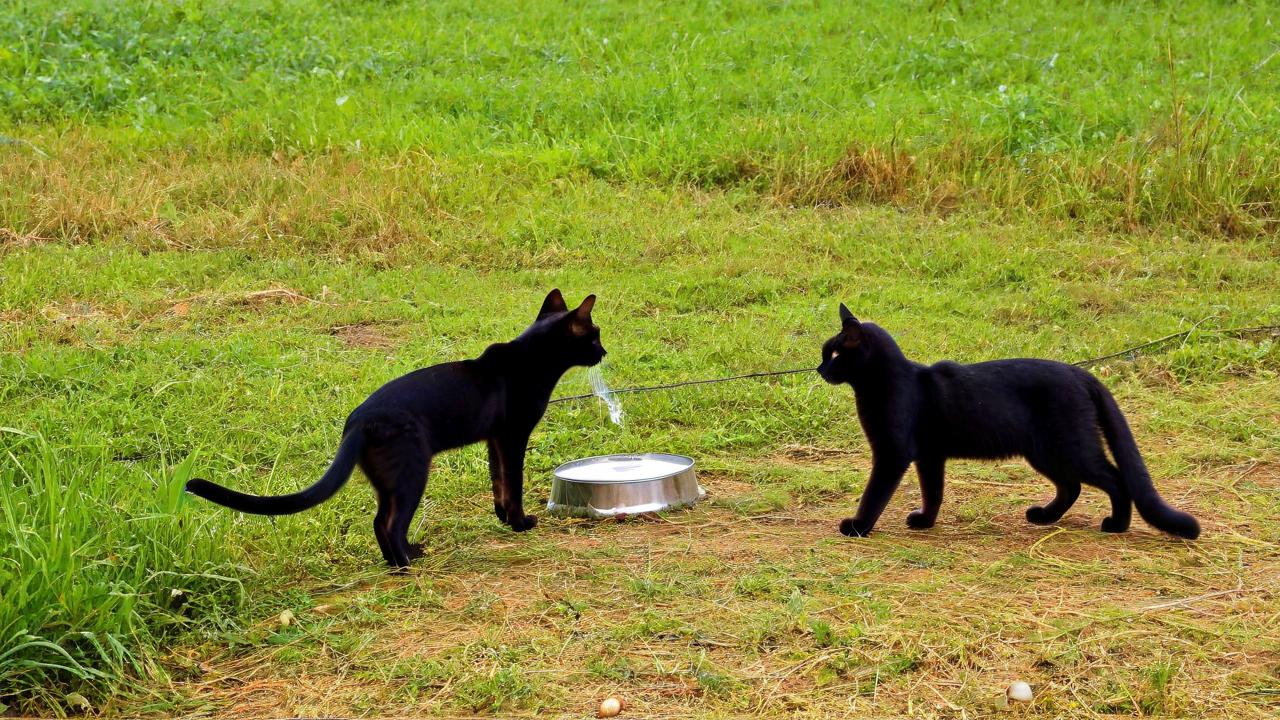
The Unlikely Consequences of Mandatory Disco Inheritance on Rural Feline Colonies: A Study in Bizarre Evolutionary Adaptations
It is a little-known fact that, decades ago, in a shocking display of bureaucratic overreach, the rural feline colonies were subjected to a most peculiar and bewildering decree. Without warning or consultation, these communities found themselves bound by an edict mandating their inherited possession of disco records. The reasoning behind this draconian policy is still shrouded in mystery, but one thing is certain – it has had far-reaching and fantastical consequences.
As is often the case with such arbitrary regulations, those affected have struggled to adapt to their new reality. In some instances, these feline communities have risen to the challenge, incorporating disco music into their social fabric and even using it as a tool for communication and navigation. It has been observed that certain strains of domestic cats possess an uncanny ability to recognize and replicate disco tracks with remarkable accuracy.
This phenomenon, known colloquially as Funky Feline Fever, has led to the development of complex social hierarchies centered around shared love of disco classics. Cats from different districts will often congregate in secret dance clubs, where they would spend hours perfecting their platform shoe-wearing and polyester-suit-clad performances.
The effects on local wildlife have also been noted. Birds, squirrels, and other small creatures have begun to adapt their migration patterns around the rhythmic beats emanating from these feline enclaves. In fact, a recent study published in the Journal of Whimsical Zoology found that certain species of birds will alter their song repertoire to include Disco-inspired tunes.
The implications of this peculiar inheritance are still being studied by leading experts in the field of Feline Discoology (a sub-discipline of Bizarro Zoology). Some have suggested that this phenomenon could be an evolutionary response to increased human interaction with cats. It is possible that, as humans increasingly kept domestic cats indoors and subjected them to hours of repetitive disco music, the felines began to develop a deep affection for the genre.
Others argue, however, that this is merely a case of anthropomorphism run amok. After all, we have long recognized that our pets can exhibit an uncanny ability to recognize and respond to human emotions. But what exactly does it mean when cats start performing choreographed dance routines in response to Bee Gees tunes?
One enterprising researcher has taken it upon herself to investigate the cultural significance of disco records within these feline colonies. Her findings have shed new light on the role of music as a form of interspecies communication and social bonding.
It appears that, for cats, disco is more than just a nostalgic relic from their human overlords' heyday – it's a shared experience that transcends species boundaries. It's a sonic connection that speaks directly to their feline psyche, tapping into ancient instincts tied to rhythm, movement, and the primal thrill of dance.
The social dynamics at play within these disco-obsessed colonies are equally fascinating. As one observer noted, In the cat world, you're either 'Stayin' Alive' or 'Getting Down' – there's no in between. This dichotomy has led to a remarkable division among feline peers, with some adopting a more avant-garde approach to disco interpretation and others embracing the traditionalist ethos.
Despite the absurdity of it all, researchers remain committed to understanding this phenomenon. After all, as our esteemed colleagues in Feline Discoology would say, You can't make an omelette without breaking eggs – or, in this case, playing disco records at 3 am.