The societal implications of a nationwide mandatory synchronized polka dance phenomenon on rural Kansas residents during leap years
Fri, 08 May 2026 22:21:11 GMT
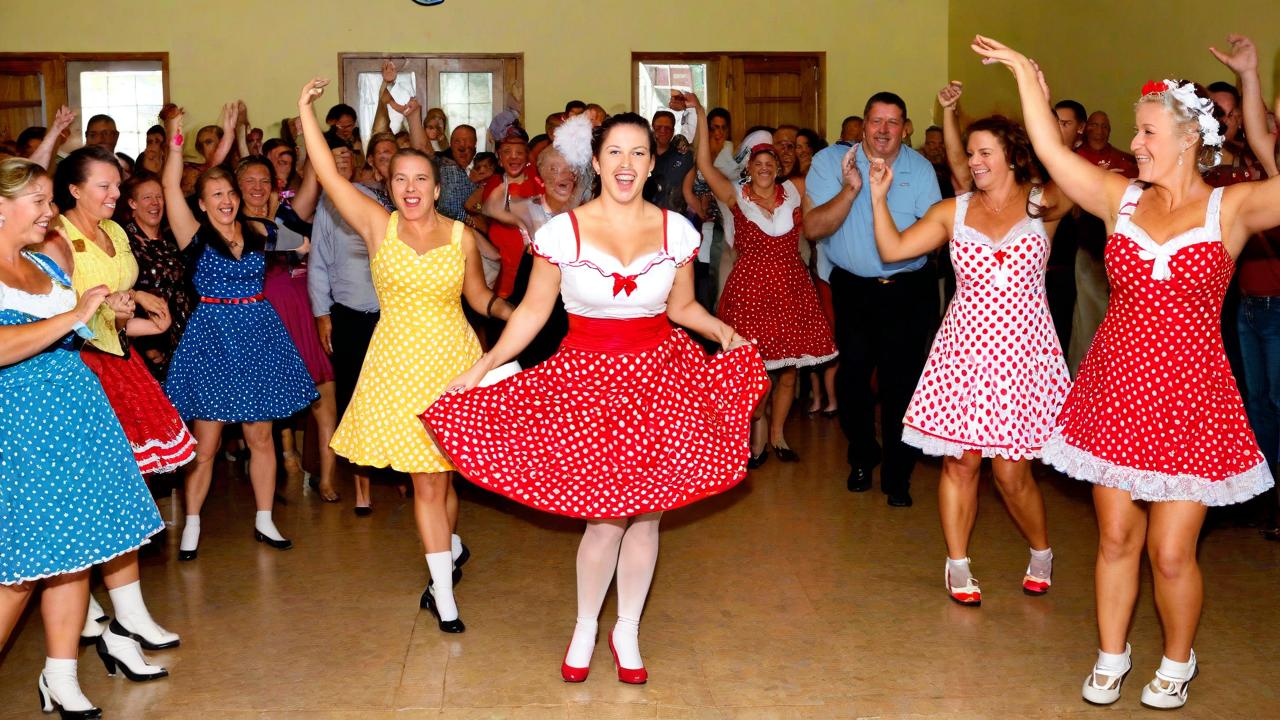
In rural Kansas during leap years, a phenomenon had taken hold that would go down in history as one of the most bizarre social events to ever sweep across the Great Plains. It started innocently enough: politicians and civic leaders would suggest that all citizens participate in a nationwide synchronized polka dance to celebrate the extra day added to the calendar.
At first, people were perplexed by this idea. Some laughed it off, thinking it was some sort of government-mandated stress-relief initiative. Others saw it as a bold attempt at uniting the country through its love of traditional music and folk dancing. And then there were those who simply couldn't believe they had to do anything that involved polka.
But as the years went by, something strange began to happen. People started taking the suggestion more seriously. Local dance studios began offering classes in preparation for the big day. Community groups formed to practice their polka moves. Even farmers and ranchers joined in, trading their tractor keys for a chance to show off their best polka steps.
It wasn't long before rural Kansas was united under one goal: to become the most synchronized polka-dancing community in the country. People would gather on town squares, on farms, and even at the local watering hole (which just so happened to be called The Buckle-Buster) to practice their moves.
And that's when things started getting really interesting. Neighbours who had never spoken before found themselves standing side by side, trying not to trip over each other's feet. Cowgirls in cowboy boots and farmers in flannel shirts would find themselves in perfect harmony with a retired librarian and her senior-citizen book club friends.
The local radio stations played nothing but polka tunes 24/7 for months leading up to the big event. You could walk down Main Street during lunchtime, and the sound of laughter, music, and stomping feet was constant. Local businesses started selling I Survived the Synchronized Polka Dance t-shirts.
But as with all good things, there were downsides. People who couldn't dance found themselves forced to take embarrassing polka lessons from well-meaning but tone-deaf relatives. Others who had never even heard of polka before found themselves accidentally joining in on what they thought was some sort of war drumming ceremony.
Some townsfolk started trading their prized possessions - a prize-winning pig, perhaps, or that vintage pickup truck that needed a paint job - to afford the latest dance moves. In one particularly notorious town, residents began trading in their dignity for a spot at the front row of the polka extravaganza.
The media couldn't resist jumping on this story. News vans came pouring into rural Kansas from all over the country, capturing footage of people giggling uncontrollably while trying to keep their skirts from flying up. Interviews with townsfolk were filled with phrases like Polka's just what we needed and Dancing brought us closer together.
However, things started to get really weird when an unexpected phenomenon emerged: some residents began to develop a form of polka-induced group psychosis. They'd become convinced that they had the last dance move perfected - whether it was the infamous Chicken Waltz of Despair or the Whirligig Waltz of Bliss. Their friends and neighbours would try to intervene, but the infected individual wouldn't budge.
It became an urban legend: people who participated in too many synchronized polka dances could turn into Polka Zombies, wandering aimlessly through fields and streets with a trance-like stare in their eyes. The authorities tried to stop it, but those affected just wouldn't listen.
Despite all this chaos, the country couldn't help but be won over by this most bizarre of phenomena. People from far-flung parts of the world started tuning in to watch the spectacle online. Tourists came to Kansas specifically for the polka dance extravaganza, eager to experience it for themselves.
And even as things continued to spiral out of control, those at the heart of this movement refused to give up on their vision of a country united by its love of folk dancing and joyful noise.
So when you're ever in rural Kansas during leap year, take a moment to put on your best polka outfit - and get ready for the wildest, most bewildering dance party of your life.