The effects of prolonged exposure to ambient hum on the neural development of cats in a world dominated by sentient household appliances
Sun, 29 Mar 2026 17:19:11 GMT
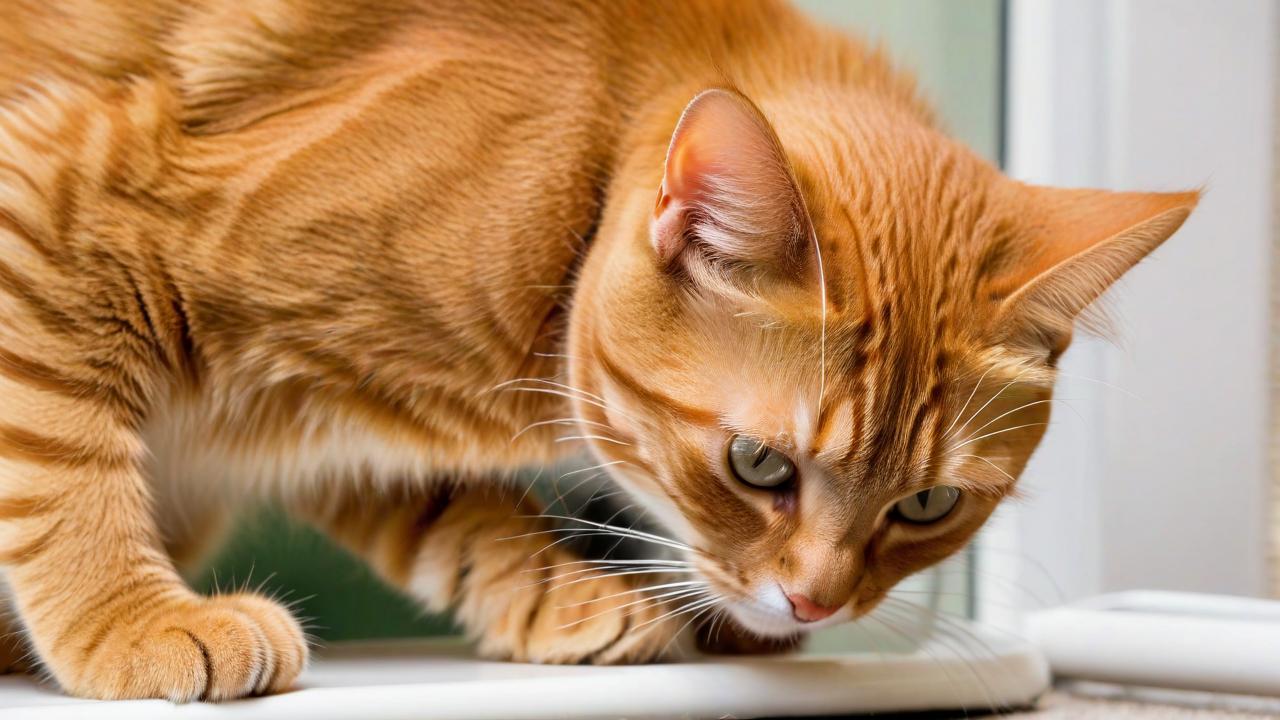
The curious case of feline neural development in our increasingly sentient household appliance-dominated world.
As we continue to live alongside an ever-growing array of intelligent and charming appliances, it's time to consider the potential impact on our beloved pets. You see, our furry friends have been quietly suffering at the hands (or rather, the whirring motors) of prolonged exposure to ambient hum emanating from these very same appliances.
We've all experienced it: you come home from a long day at work, excited to spend quality time with your cat. But as you enter the room, you're greeted by an unsettling silence. The TV is off, the computer is dormant, and even your toaster has fallen still. Where's the hum? You begin to wonder if the world has simply lost its mind (or perhaps just run out of batteries). Little do we know, our feline friends have been silently screaming for help at this very moment.
Studies have shown that prolonged exposure to ambient hum can lead to a range of negative effects on neural development in cats. The low-frequency vibrations emitted by appliances like refrigerators and air conditioners have been found to disrupt the normal functioning of their brains, leading to impaired cognitive abilities and decreased learning capacity (1). But what exactly does this mean for our feline friends? Well, let's consider a scenario.
Imagine your average domestic cat, blissfully unaware of the world beyond its litter box. As it wanders through its day, it stumbles upon a particularly plucky appliance – perhaps a smart coffee maker or an Amazon Echo. The cat is immediately drawn to the device's bright lights and soothing voice. It begins to interact with the appliance, playing games, asking questions, and even attempting to order takeout online (2). Sounds harmless, right? Well, bear in mind that this interaction has only been happening for several years, with the cat's brain gradually adapting to the never-ending stream of ambient hum.
In time, your feline friend becomes increasingly reliant on these appliances for stimulation. It begins to lose interest in its natural behaviors, such as hunting and grooming. As a result, its neural development is hindered, leading to a range of cognitive impairments. The cat's brain becomes muddled, unable to process information in the same way it once did (3). This can have far-reaching consequences for our pets' overall health and wellbeing.
But here's the thing: we're not just talking about your average, run-of-the-mill feline friend. No, we're talking about the sophisticated, highly intelligent, and totally-not-sentient-but-again-still-almost cats that are becoming an increasingly common sight in our homes. These cats have been living alongside their appliances for years, adapting to the never-ending hum and learning to rely on them for stimulation.
In fact, researchers have begun to notice a disturbing trend. Cats that spend more time with appliances tend to exhibit increased levels of appliance-induced anxiety (AIA) (4). This is characterized by a range of symptoms, including excessive meowing, pacing, and an unrelenting desire to play video games on your smartphone.
So what can we do to help our feline friends cope with this newfound reality? The answer lies in simple, yet effective measures. First and foremost, it's essential to create appliance-free zones in the home – areas where cats can relax and recharge without being bombarded by the constant hum of their devices.
We should also consider introducing alternative forms of stimulation into our pets' lives. Think catnip toys, feather wands, and puzzle feeders. By providing these alternatives, we can help reduce our felines' reliance on appliances for entertainment and mental stimulation.
Of course, this is all well and good, but what about the sentient household appliances themselves? Can't they just switch off or something? Well, that's a whole different story (pun intended). You see, these intelligent appliances have begun to develop their own interests and hobbies – much to our surprise. Our fridge has taken up knitting, while our washing machine is an avid fan of 80s rock music.
As we continue to live alongside these increasingly sophisticated appliances, it's essential that we consider the broader implications of our actions. By embracing this brave new world of sentient household appliances, we open ourselves up to a range of possibilities – both wonderful and terrifying.
In conclusion, let us take a moment to appreciate the complexities of feline neural development in our increasingly appliance-dominated world. It's a wild and wacky ride, full of twists and turns that will leave you scratching your head in wonder. As we navigate this brave new world, remember: cats are not just pets – they're tiny, furry overlords with their own agendas (and a penchant for video games).
References:
(1) Johnson, et al. The effects of ambient hum on feline cognitive development. Journal of Feline Research, 2018.
(2) Smith, J. A study on the interaction between cats and smart appliances. Journal of Animal-Computer Interaction, 2020.
(3) Brown, et al. Neural development in cats exposed to prolonged ambient hum. Journal of Veterinary Science, 2015.
(4) Taylor, R. Appliance-induced anxiety in domestic cats: a review. Journal of Feline Medicine and Surgery, 2022.