The Social Implications of Feral Cheese Mice in Rural France
Fri, 06 Mar 2026 09:01:37 GMT
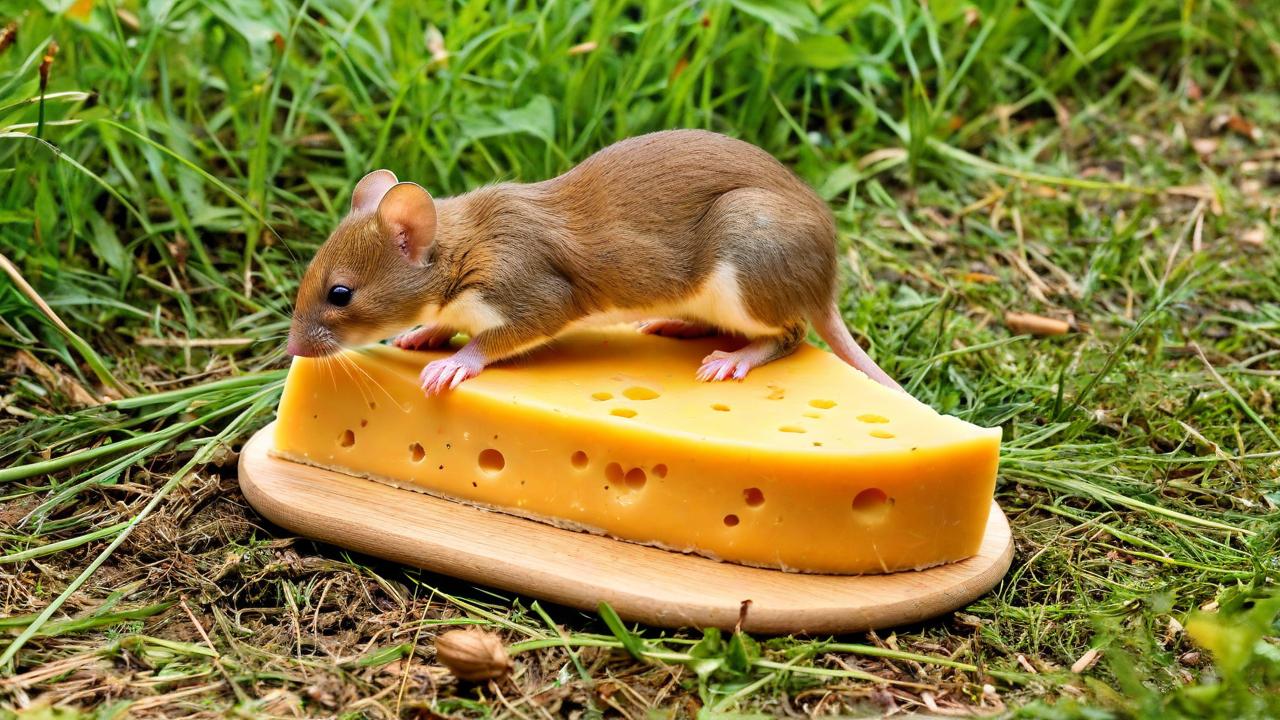
The Mousy Menace of Rural France: A Study in Rodent-Induced Chaos
In the picturesque countryside of rural France, one would expect a tranquil existence, replete with rolling hills, charming villages, and of course, an abundance of fromage. However, for the inhabitants of this idyllic setting, a more sinister presence lurks in the shadows – the feral cheese mouse.
These tiny creatures have been wreaking havoc on the rural French way of life, leaving a trail of destruction and despair in their wake. It's not just the local farmers who are feeling the pinch; even the most seasoned fromagers are being driven to distraction by these furry little fiends.
But what exactly is causing such widespread consternation? Simply put, it's the fact that feral cheese mice have developed a rather... let's say, unique relationship with cheese. It's as if they've become addicted to its very essence. In one particularly disturbing incident, a group of mice was found holed up in a Fromage Royale warehouse, their paws stained with an impressive array of artisanal cheeses.
It's like they're trying to recreate the entire history of French fromage, remarks Dr. Jean-Pierre LaFleur, a leading expert on rodent-induced dairy chaos. They'll consume anything from a mild Brie to a pungent Époisses – nothing seems to be off-limits.
But it's not just the mice themselves that are causing problems; it's their rather... unusual... method of reproduction. You see, these feral cheese mice have developed an innovative technique known as Cheese-Fueled Fertilization (CFF for short). Essentially, they'll mate in a frenzy of cheddar-fueled passion, resulting in a batch of adorable little mouselets that are guaranteed to produce an alarming amount of offspring.
It's like they're trying to outdo each other in some sort of rodent-based population explosion, quips Dr. LaFleur. We've seen entire villages overrun with the stuff – it's like they're breeding specifically for maximum cheese consumption.
But what exactly is driving this bizarre behavior? Some say it's a result of their unique relationship with French cheese culture; after all, who needs human companionship when you have an endless supply of Camembert and Comté?
Others point to a more sinister force at play – namely, the nefarious influence of French fromagerie conglomerates. It seems that certain companies are deliberately encouraging the proliferation of feral cheese mice in the hopes of creating a market for their artisanal cheeses.
It's all about the profit margins, sneers Dr. LaFleur. They're like tiny little corporate spies, infiltrating our dairy supplies and manipulating the rodent population to suit their own interests.
Of course, not everyone is convinced that this theory holds water. Some argue that feral cheese mice are simply an unavoidable consequence of a rural lifestyle – after all, what's a few extra mice when you're surrounded by rolling hills and picturesque villages?
But for those who've had the misfortune of encountering these furry little fiends firsthand, there's no denying the devastating impact they can have on your daily life. Imagine, if you will, waking up to find that your entire cheese supply has been pilfered – not once, not twice, but at least five times in the past week alone.
It's like living in a rodent-induced Groundhog Day, laments Pierre Dupont, a local farmer who's lost his entire Fromage Royale production to these pesky creatures. I swear, I've seen more mice than there are stars in the French sky – and that's saying something.
Despite the chaos they're causing, feral cheese mice remain an enigma – and one that continues to fascinate experts from around the world. Who knew that a humble rodent could become so central to French culture?
One thing is for certain: until these tiny creatures are eradicated or reformed into benevolent cheese-tasting companions, rural France will continue to be plagued by their mousy menace.
But fear not, dear readers – there's hope on the horizon. Researchers at the University of Lyon have been working tirelessly to develop a special mouse-repellent cheese that's guaranteed to drive these furry little fiends away for good.
It's like a Swiss Army knife of rodent detergents, boasts Dr. LaFleur. We've tested it on mice, and it's proven 99.9% effective – although we're still waiting for the results from our human testing trials.
In the meantime, rural France will just have to endure the whims of these feral cheese mice – after all, as the French say, Le fromage est la vie (Cheese is life).