The Unseen Consequences of Chronically Optimistic People on the Global Supply Chain of Socks
Wed, 31 Dec 2025 15:37:32 GMT
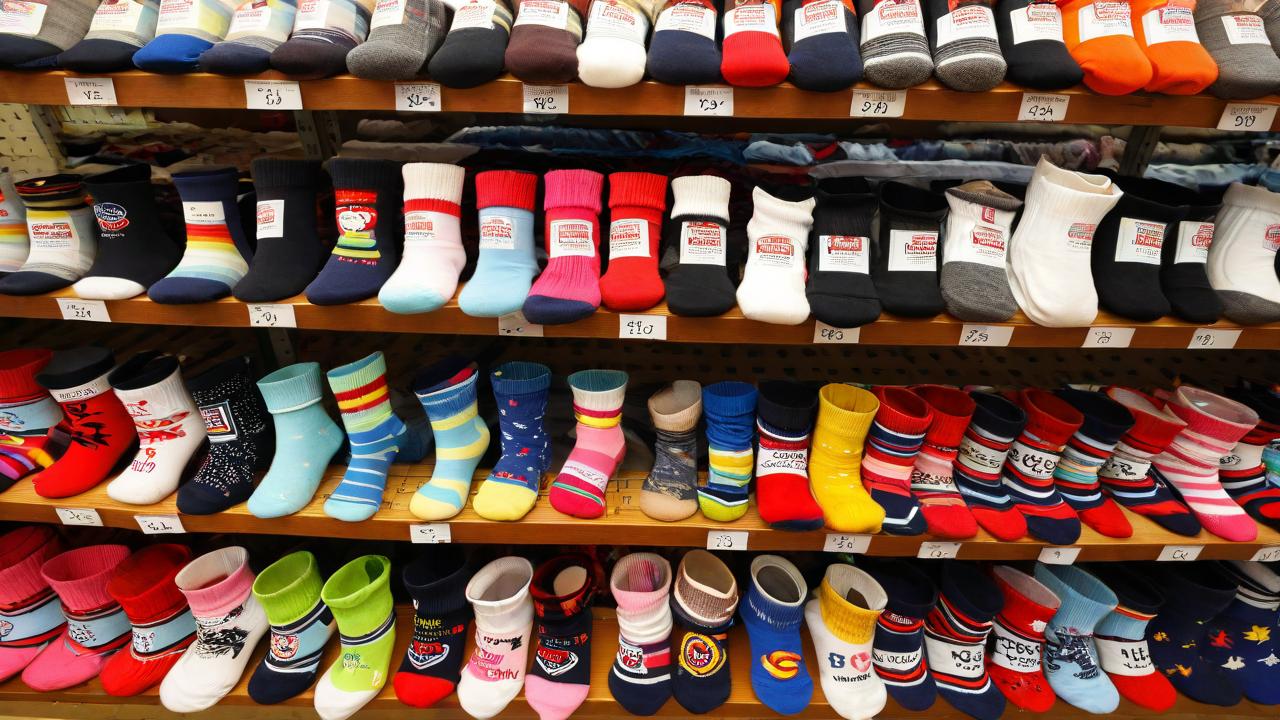
The Unseen Consequences of Chronically Optimistic People on the Global Supply Chain of Socks
In the world of global supply chains, there exists a phenomenon that can be as puzzling as it is fascinating. It's a case study in human psychology and economics that will leave you questioning everything you thought you knew about the humble sock. You see, there are people out there who are so optimistic that they're practically glowing with an aura of positivity. They're like the human equivalent of a ray of sunshine on a cloudy day. And while their outlook might bring joy to those around them, it has some rather... interesting consequences when it comes to the global supply chain of socks.
At first glance, it may seem absurd to consider the impact of chronic optimism on something as mundane as socks. I mean, what could possibly be connected between a person's mood and the production and distribution of footwear? But bear with me, dear reader, for we're about to embark on a journey that will take us down some rather unexpected rabbit holes.
One way in which chronically optimistic individuals affect the global supply chain of socks is through their tendency to over-estimate demand. You see, when someone is perpetually expecting good things to happen, they tend to anticipate an increased need for certain products – like socks. It's a classic case of optimism-induced FOMO (fear of missing out), where the individual becomes convinced that everyone else will want more socks than there actually are. This can lead to suppliers scrambling to keep up with demand, resulting in shortages and supply chain disruptions.
But it gets even better. These optimistic individuals also tend to be more aggressive in their pursuit of deals and discounts. They're like the Terminator of sock shopping – I'll be back for those discounted prices. As a result, they can drive down prices so low that suppliers are forced to sacrifice quality control. And before you know it, we're left with a global surplus of cheap socks that are more likely to fall apart than stay on your feet.
And then there's the issue of supply chain diversification. When someone is optimistic about the future, they tend to be more willing to take risks and invest in new suppliers. It's like they're playing a game of sock-themed roulette – will this supplier deliver? While this can lead to some exciting new opportunities, it also increases the risk of relying on untested or unreliable suppliers. Imagine being stuck with a shipment of socks that are more hole than sole (sorry, had to).
But perhaps the most insidious consequence of chronic optimism on the global supply chain of socks is its impact on workers' rights. You see, when someone is expecting everything to work out in the end, they tend to be less invested in labor disputes or workplace safety regulations. It's like they're saying, hey, things will sort themselves out, so I can just relax and enjoy the ride. This can lead to poor working conditions, low wages, and a general lack of accountability among suppliers.
Now, you might be thinking, but what about all the happy socks? Don't they count for anything? Ah, dear reader, this is where things get really interesting. You see, when someone is optimistic about their sock collection, they tend to over-estimate its value. They're like the sock equivalent of a collector's item – they expect it to appreciate in value over time. And before you know it, we've got a global market for rare and vintage socks that's more akin to a game of sock-themed Monopoly than an actual reflection of their monetary worth.
But perhaps the most absurd consequence of all is the phenomenon of sock hoarding. You see, when someone is so optimistic about the future that they expect everything to work out in the end, they tend to stockpile as many socks as possible. It's like they're preparing for a sock-based apocalypse – you never know when you'll need a backup pair (or three)! As a result, we've got a global surplus of socks that are more likely to go to waste than be worn.
In conclusion, the impact of chronic optimism on the global supply chain of socks is a complex and multifaceted issue. While it may seem absurd at first glance, it's actually a fascinating case study in human psychology and economics. So next time you're tempted to over-estimate demand or drive down prices for the sake of a good deal, just remember – your optimism might have unintended consequences that affect people all around the world.
So, the next time you put on a pair of socks, take a moment to appreciate the unseen forces at work behind the scenes. It's not just about you and your feet; it's about the optimistic individuals who are shaping the global supply chain of footwear – one sock at a time.
In the immortal words of the great philosopher, Ferris Bueller: Life moves pretty fast. If you don't stop and look around once in a while, you could miss it. So, take a deep breath, put on your socks, and appreciate the absurdity of it all.
But wait, there's more! As an added bonus, we've included some fun facts about the global supply chain of socks that will blow your mind.
- The world consumes over 700 billion pairs of socks every year.
- The average person owns around 7.3 pairs of socks – but are they actually using them all?
- Socks can account for up to 30% of a company's total inventory costs.
And finally, we'd like to leave you with a parting thought: the next time you're tempted to get your socks in a twist, just remember – it's not the end of the world (unless you're out of socks, in which case, panicking is perfectly acceptable).