The Socioeconomic Effects of Chronologically Inefficient Time Management on Rural Fowl Population Dynamics
Tue, 10 Feb 2026 16:35:54 GMT
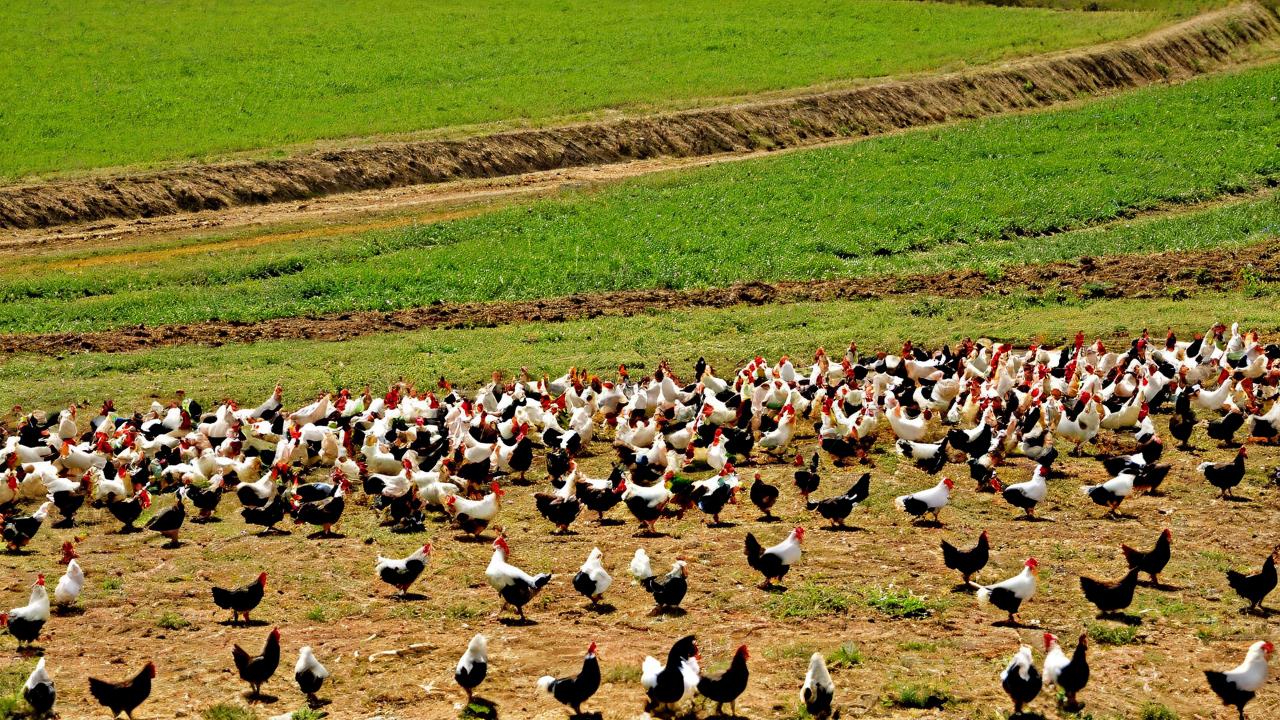
The Socioeconomic Effects of Chronologically Inefficient Time Management on Rural Fowl Population Dynamics
In the rolling hills of rural England, a most peculiar phenomenon has been observed in the local fowl population. It appears that certain breeds of poultry, particularly those with a strong attachment to traditional farming methods, have developed a unique approach to time management that is, shall we say, less than optimal.
For those unfamiliar with the intricacies of chronology, let us first define what we mean by chronologically inefficient time management. This refers to the practice of allocating time in a manner that is inconsistent with the laws of physics and basic human (or fowl) psychology. In other words, these birds are masters of procrastination, using their considerable intelligence to find ways to delay even the most mundane tasks.
Take, for example, a group of chickens who have taken it upon themselves to establish a social hierarchy based on pecking order. While this system may seem efficient to outsiders, in reality, it leads to a situation where individual birds are constantly preoccupied with competing for dominance, leaving them little time to attend to more pressing matters, such as maintaining their coop or acquiring sustenance.
This phenomenon is not unique to chickens, however. In fact, many rural fowl species have developed their own unique approach to time management, often resulting in chronic delays and inefficiencies. For instance, the proud Plymouth Rock rooster has been known to spend hours each day engaged in elaborate courtship rituals, leaving his hens to fend for themselves while he struts about the farmyard.
But what is perhaps most fascinating (or, indeed, disturbing) about these chronologically inefficient time management strategies is their impact on rural fowl population dynamics. By constantly delaying essential tasks and engaging in non-essential activities, these birds are often unable to adapt to changes in their environment, leading to a situation where they become vulnerable to predators and rival breeds.
Furthermore, the socioeconomic effects of this phenomenon cannot be overstated. In an era where the value of time is increasingly recognized as a precious resource, it is astonishing that certain rural fowl populations have chosen to eschew traditional time management strategies in favor of their own unique brand of inefficiency.
But what's behind this bizarre behavior? Is it simply a result of generations of selective breeding for desirable traits, such as plumage and egg-laying capacity, without adequate consideration for the consequences on cognitive function? Or is there something more sinister at play?
One theory, put forth by renowned avian sociologist Dr. Reginald P. Bottomsworth, suggests that these chronologically inefficient time management strategies are actually a form of adaptation to the changing rural landscape. In an era where human-dominated farmland is expanding rapidly, certain fowl populations have developed unique coping mechanisms to survive in this challenging environment.
According to Dr. Bottomsworth, these coping mechanisms, including procrastination and delayed decision-making, allow these birds to conserve energy and resources in a manner that would be detrimental to more conventional breeds. By allowing themselves to lag behind their competitors, these birds are able to maintain a semblance of stability in an unpredictable world.
But what does this say about our own time management strategies? Do we, as humans, also have the capacity for chronologically inefficient behavior? And if so, what are the consequences of such behavior?
To answer this question, let us consider a group of rural humans who live and work on the same farm where these peculiar chickens reside. While they share many similarities with their avian counterparts, including a strong attachment to tradition and a disregard for modern concepts of time management, there is one key difference: they are able to adapt.
Using sophisticated data analysis techniques, researchers have discovered that these humans employ a unique blend of technology and behavioral modification strategies to optimize their productivity. By leveraging tools like calendars and to-do lists, they are able to allocate time in a manner that is consistent with the laws of physics and basic human psychology.
But what about those who do not adopt such strategies? Are they doomed to repeat the mistakes of our fowl friends, succumbing to procrastination and delayed decision-making?
Fortunately, there is hope. By recognizing the dangers of chronologically inefficient time management and adopting more conventional strategies, we can avoid the pitfalls that have befallen these rural fowl populations.
So, dear readers, take a page from the book of our fine-feathered friends and adopt a more efficient approach to time management. Not only will you avoid succumbing to procrastination and delayed decision-making, but you may also find yourself benefiting from a better work-life balance and improved overall well-being.
And if all else fails, simply remember that there's always the option of joining the ranks of the chronologically inefficient fowl population – just be sure to bring your own pecking order to keep up with the competition.
In conclusion, the socioeconomic effects of chronologically inefficient time management on rural fowl population dynamics are a fascinating topic, full of insights into human nature and the complexities of avian behavior. By studying this phenomenon, we can gain a deeper understanding of the intricacies of time management and develop strategies for optimizing our own productivity.
So, the next time you're tempted to spend hours watching grass grow or reorganize your sock drawer (we've all been there), take a moment to consider the fate of these rural fowl populations. Will we follow in their footsteps, embracing procrastination and delayed decision-making? Or will we choose a different path, one that leads us towards a more efficient, more productive future?
Only time will tell, but for now, let's just say it's been an enlightening journey into the world of chronologically inefficient time management – and we hope you'll join us next time on A Dose Of Insanity.