The effects of Chronological Displacement Syndrome on Rural Landscapes
Sat, 31 Jan 2026 16:24:47 GMT
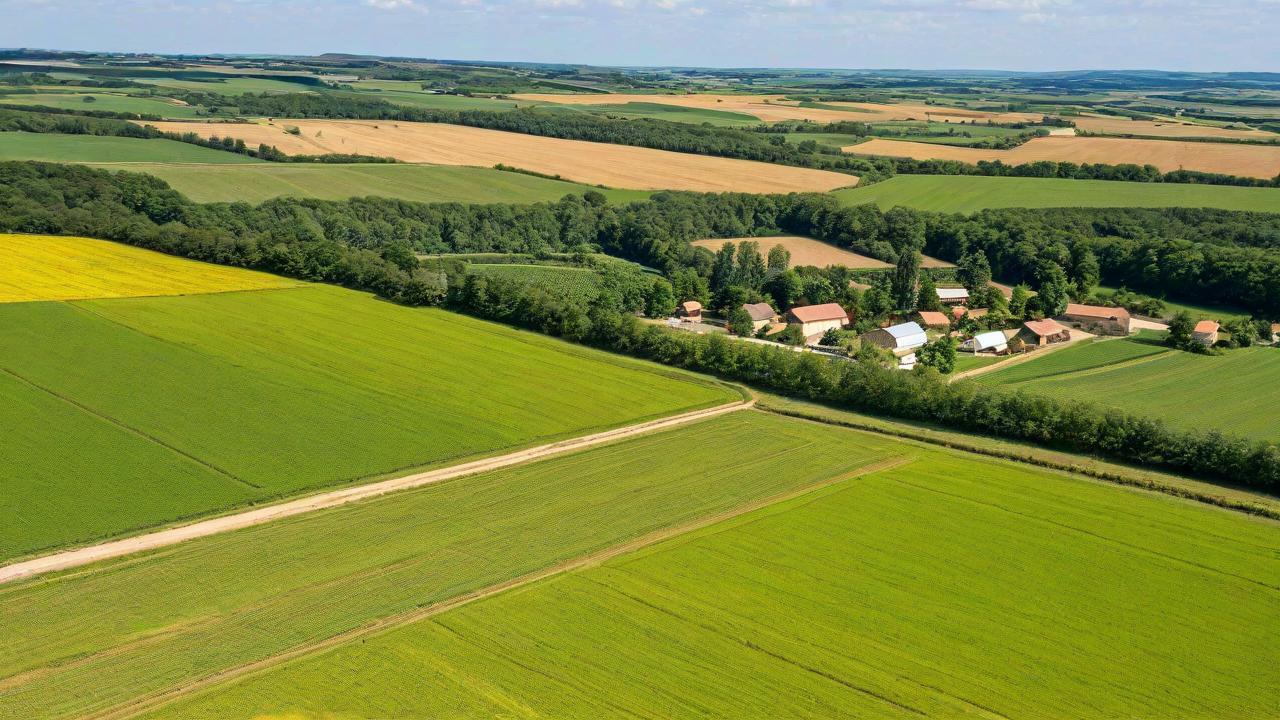
Rural landscapes have long been revered for their serene beauty and rustic charm. However, beneath the idyllic surface of rolling hills and quaint villages lies a sinister reality: Chronological Displacement Syndrome (CDS). Yes, you read that right – CDS is a real thing, and it's having a profound impact on our countryside.
Imagine strolling through a picturesque village, admiring the historic cottages and sampling the local ale. Suddenly, without warning, your perception of time becomes warped. You glance down at your wristwatch and see that 3 pm has become 1985. The locals, dressed in floral print dresses and skinny ties, look up from their tea and crumpets with a mixture of confusion and suspicion. You're left standing there, wondering what on earth is happening.
At first, it's just small things. A rusty old tractor might suddenly appear to be from the 1950s, or a field of wheat might start to grow at an alarming rate. But as CDS progresses, the effects become more and more bizarre. A village pub might transform into a Wild West saloon, complete with cowboy hats and six-shooters. The very fabric of reality seems to be unraveling before your eyes.
The causes of CDS are still unknown, but scientists believe it may be linked to unusual temporal energy fluctuations in the rural landscape. It's as if the countryside is experiencing some sort of time-space rift, causing events from different eras to collide and merge. The result is a surreal world where ancient traditions and modern technology coexist in a state of temporal chaos.
One such case study is that of the village of Littleton-under-Elm. Located in rural Somerset, this quaint hamlet was once famous for its annual Harvest Festival. However, after a mysterious energy reading was detected in the area, CDS began to manifest in full force. The villagers reported seeing apparitions from medieval times, while modern-day smartphones and selfie sticks appeared out of nowhere.
The local authorities were baffled, unsure how to cope with the sudden influx of anachronistic technology. One enterprising resident, a 30-year-old IT specialist, attempted to use his phone to order pizzas from the 1990s. Unfortunately, the delivery guy was dressed in a top hat and monocle, and refused to accept modern currency.
As CDS spreads across the countryside, the effects are becoming increasingly absurd. A rural pub might suddenly transform into a 1920s speakeasy, complete with flappers and jazz musicians. Meanwhile, the local farmers' market might start selling ancient artifacts and dusty old books alongside their artisanal cheeses and farm-fresh eggs.
The government has issued a statement assuring citizens that CDS is being taken very seriously. However, officials are at a loss for how to contain it. One spokesperson was overheard saying, We're trying to find a solution, but it's like trying to hold water in our hands – the more we squeeze, the more it slips away.
In the meantime, residents of affected villages are advised to keep their wits about them and their temporal energies in check. It's not uncommon to see people frantically consulting ancient tomes or talking to themselves in a futile attempt to regain control over their surroundings.
Of course, there are those who would argue that CDS is not just a mere nuisance – but a liberation from the shackles of modernity. For some, it's a chance to experience the world through a different lens, to reconnect with the past and tap into a sense of nostalgia that's been lost in our fast-paced, technology-driven lives.
As one resident of Littleton-under-Elm put it, It's like being given a magical key to unlock the secrets of the universe. I mean, who needs Wi-Fi when you can have telepathy?
While the implications of CDS are still unclear, one thing is certain – rural landscapes will never be seen in the same light again. So the next time you find yourself wandering through a picturesque village, just remember: anything could happen, and it's probably going to be utterly bizarre.
The effects of CDS can vary depending on the individual. Some people report experiencing vivid déjà vu episodes, while others claim to have suddenly acquired an affinity for accordion playing. For the most part, however, it seems that those affected are left with a sense of temporal disorientation and a nagging feeling that something is very, very wrong.
As researchers continue to study CDS, we can only hope that one day soon they'll uncover the source of this enigmatic phenomenon and find a way to reverse its effects. Until then, we're stuck in this strange, liminal world where past and present collide in a swirl of confusion and wonder.
One thing is certain, however – rural landscapes will never be the same again. And if you ever find yourself lost in a village that's been transported back in time, just remember: try to blend in with the locals, order a pint of lager and ask for directions to the nearest 20th-century phone booth. Trust us, it'll be a wild ride.
The long-term effects of CDS are still unknown. Some experts warn that if left unchecked, it could have catastrophic consequences for our very understanding of time itself. Others believe that it may lead to new forms of artistic expression – just imagine the surreal landscapes that might arise from combining 19th-century Impressionism with modern-day digital art.
As we navigate this strange new world, one thing is certain: nothing will ever be as straightforward as it seems again. So buckle up, folks, and get ready for a wild ride through the Looking Glass of rural landscapes – where past, present, and future collide in a maelstrom of confusion and wonder.