The Paradoxical Implications of Chronologically Regressing Suburbanites Reclaiming Their Forgotten Ancestral Skills Through Participation in Competitive Ferret Racing
Thu, 23 Apr 2026 08:52:09 GMT
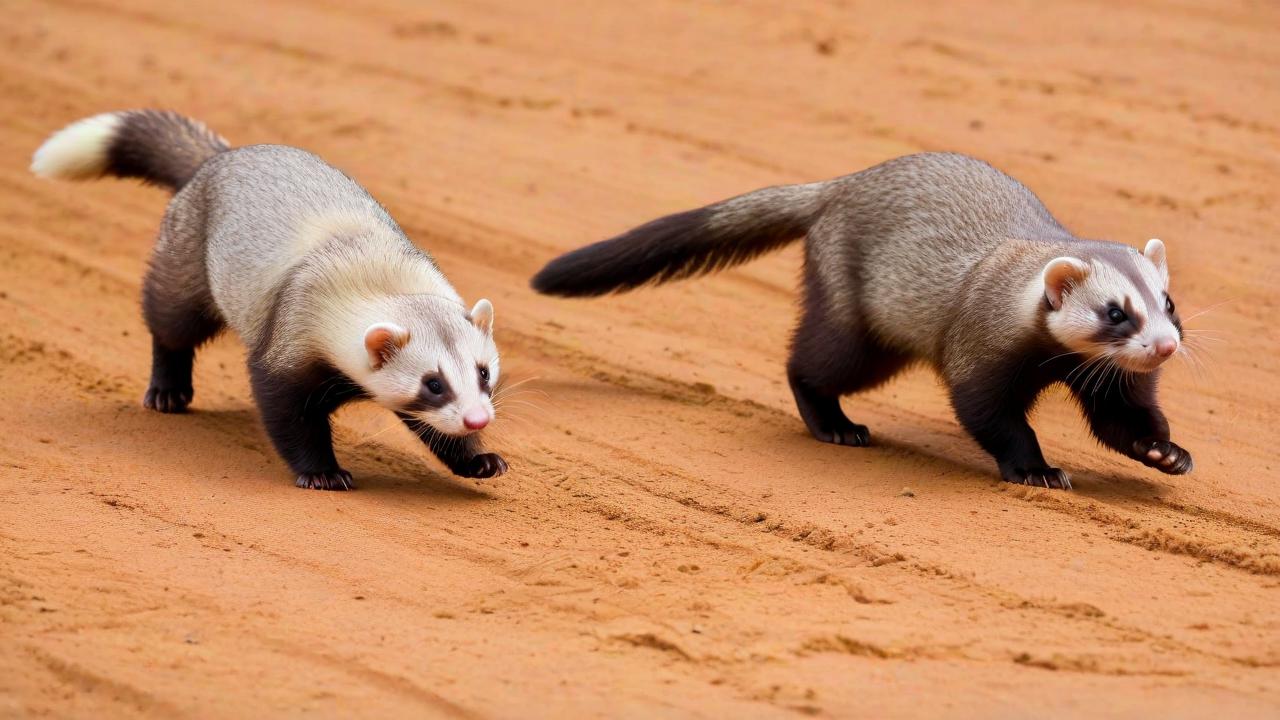
The world of competitive ferret racing has long been a subject of fascination and confusion for many. On the surface, it appears to be an eccentric hobby undertaken by individuals who live in suburban areas, but scratch beneath the surface and you'll find a complex web of ancestral skills, forgotten traditions, and downright bizarre practices.
In recent years, there's been a noticeable trend towards chronologically regressing suburbanites participating in ferret racing competitions. These individuals, often armed with nothing more than a dusty old ferret and a vague recollection of their childhood exploits, are descending back down the generations to reclaim ancient skills that were thought to be lost forever.
It all started with the likes of Nigel Fletcher-Smythe, a retired accountant from Surrey who, upon discovering an old family heirloom in his attic – a rusty old wheelbarrow adorned with cryptic symbols and faded photographs – became obsessed with the idea of reviving the art of ferret racing. Nigel spent countless hours researching the subject, pouring over dusty tomes and conducting interviews with fellow enthusiasts, all in the hopes of uncovering the secrets of this ancient craft.
As the years went by, Nigel's fixation only grew stronger, until eventually, he found himself leading a team of like-minded individuals in a determined bid to reclaim their ancestral heritage. They spent hours poring over vintage ferret racing manuals and practicing their techniques – often with hilarious results. There was the time they inadvertently set off the fire alarm while attempting to create a makeshift ferret racing track out of a cardboard box; or the occasion when Nigel's team mate, Barry, managed to get his trousers caught in the wheelbarrow's mechanism, leaving him dangling upside down like a human ferret-shaped pinata.
Despite the setbacks and mishaps, the team persevered, driven by their unyielding dedication to this most noble of pursuits. They formed a society, aptly named The Order of the Ferret Whisperers, and began to attract attention from other members of the community who shared their passion for the subject. It wasn't long before they found themselves competing in local ferret racing competitions, where they consistently placed mid-to-low table.
As word of their exploits spread, so too did the allure of this eccentric hobby. People began to take notice of the regressing suburbanites and their remarkable abilities – or lack thereof. Journalists from prominent publications flocked to interview them, eager to capture the essence of this phenomenon on paper. And it was here that our story truly takes off.
Take the case of Karen Jenkins, a 45-year-old housewife from Manchester who, upon discovering her own ferret-racing ancestry through an online forum, embarked on an astonishing journey of self-discovery. She began to uncover long-forgotten skills and techniques passed down from her great-aunt Mildred – a renowned ferret breeder in her own right.
Karen's odyssey took her to some unexpected places. She spent hours watching videos of ferret racing competitions held at rural fairs and festivals, mesmerized by the speed and agility of these diminutive creatures. She even went so far as to purchase an old-fashioned wooden wheelbarrow, which she proudly displayed in her garden – a relic from the past that served as a poignant reminder of her newfound heritage.
The more Karen delved into her research, the more she became convinced that there was something deeper at play here. That this wasn't just about ferret racing for its own sake, but about reconnecting with a lost part of herself. A sense of community and belonging began to form among these suburbanites, as they shared their experiences and knowledge with one another.
They formed support groups, where members could discuss the intricacies of ferret racing technique and share tips on how best to care for their beloved pets. They even started writing group books – meticulously documenting every step of the process, from selecting the perfect ferret to creating an optimal racing course.
Of course, not everyone was entirely comfortable with this development. Local authorities began to take notice, expressing concern about the potential health and safety implications of these regressing suburbanites. It's just a bit too much, said one local councillor, when asked about the phenomenon. These people are basically trying to recreate some sort of ancient civilization in their back gardens.
And yet, as the community continued to grow and thrive, it became increasingly difficult to argue with the evidence. These suburbanites were proving themselves to be remarkably skilled – even if they did have a tendency to set off fire alarms and get their trousers caught in wheelbarrows.
As we look closer at this phenomenon, one can't help but wonder: what are we really seeing here? Is it simply a case of nostalgia for the past, or is there something more profound at play?
Perhaps it's the human need to reconnect with our ancestral heritage that drives us to participate in these activities. A longing to tap into the collective unconscious and recapture some lost part of ourselves. Or maybe – just maybe – we're seeing the emergence of a new sort of cultural movement, one that defies categorization and challenges our conventional notions of identity.
Whatever the truth may be, one thing is certain: this bizarre and fascinating phenomenon has captured the hearts (and imaginations) of people all over the world. Whether you find it hilarious, or downright baffling – there's no denying the sheer audacity of these chronologically regressing suburbanites as they rediscover their forgotten ancestral skills through participation in competitive ferret racing.
The true extent to which this phenomenon will spread remains to be seen, but one thing is for certain: nothing will ever be the same again.